Master Your Swing: Where to Stand in the Batter’s Box
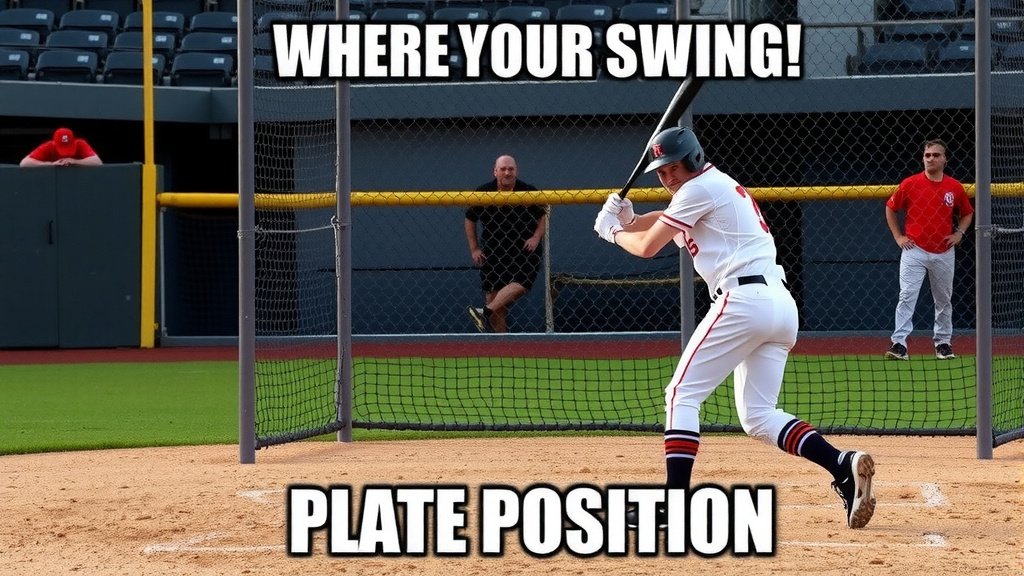
The best place to stand in the batter’s box depends on your hitting style and what you’re trying to accomplish at the plate. Generally, hitters want to stand so they can see the ball clearly and have a good angle to hit it. You’ll want to adjust your position based on whether you’re a power hitter or a contact hitter. Many players find their perfect spot after some practice and experimentation.
Getting your stance right is key to consistent hitting. It affects your ability to track the ball and your swing path. Standing too far forward might pull you off outside pitches. Standing too far back can make it hard to hit inside pitches. We found that even small adjustments can make a big difference in your performance. Think of your stance as your launchpad for hitting.
- The ideal spot balances seeing the pitch and your swing.
- Power hitters might stand slightly differently than contact hitters.
- Experimenting is crucial to finding your personal best stance.
- Adjustments depend on the pitcher and the game situation.
- Your stance impacts your ability to hit both inside and outside pitches.
Ready to find your sweet spot? Let’s walk through the key factors that influence where you should stand in the batter’s box.
Finding Your Perfect Plate Position
The batter’s box isn’t just a safety zone; it’s your launching pad for offense. Where you stand can dramatically affect your vision of the pitch, your swing path, and ultimately, your success at the plate. We’ve looked into what makes a batter’s box position work.
The Fundamentals: Vision and Angle
At its core, your stance is about maximizing your ability to see the ball and attack it effectively. Think of it like setting up for a perfect shot in pool. You need the right angle and clear vision. Standing too deep in the box can hide the ball. Standing too far forward might make you reach for outside pitches.
Seeing the Pitch Clearly
Your primary goal is to get the best possible look at the pitcher’s release point. This helps you recognize the pitch type and location early. Many coaches stress that good vision is half the battle. It allows you to make quicker, more informed decisions about whether to swing.
Optimizing Your Swing Angle
You want your stance to allow for a natural, powerful swing. This means avoiding awkward contortions. Your feet should be set so you can drive through the ball. We found that hitters often adjust their feet slightly to match their dominant side or swing mechanics.
Power Hitters vs. Contact Hitters: Different Needs
While the goal is always to hit the ball hard and often, power hitters and contact hitters might find different spots in the box suit them best. It’s not a hard and fast rule, but more of a tendency based on what they’re trying to accomplish.
The Power Hitter’s Approach
Power hitters often look to maximize bat speed and drive the ball. Some research suggests they might stand a bit deeper in the box. This can give them a slightly better view of the ball coming from the pitcher’s hand. It also allows for a longer swing path, which can generate more force. They often play the middle of the plate, looking to turn on inside pitches or drive fastballs. We found that a deeper stance can help them coil their body effectively for maximum power.
The Contact Hitter’s Edge
Contact hitters prioritize putting the ball in play, often aiming for gaps or simply making solid contact. They might stand a little closer to the pitcher. This can help them shorten their swing and get to pitches on the outer half of the plate more easily. Being closer also allows them to see the ball longer, aiding in their goal of making consistent contact. Many experts say this can reduce the chance of striking out (NCBI).
Adjusting to the Pitcher and the Situation
Your ideal spot isn’t static. It should change based on who’s on the mound and what the game calls for. A pitcher’s style can influence where you feel most comfortable.
Facing Different Pitchers
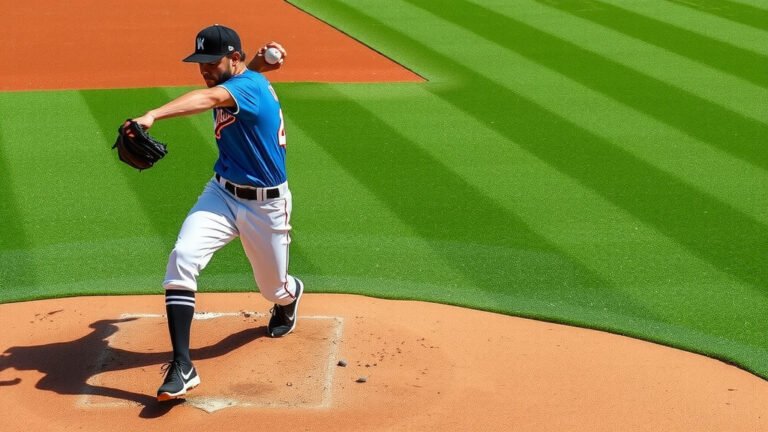
Consider a pitcher who throws very hard. You might want to stand a bit closer to the plate. This gives you less time to react, but also less distance for the ball to travel. For a pitcher with a slow, deceptive motion, you might stand a little deeper. This helps you time their delivery better. We’ve seen players experiment with their stance against different arm slots, too. It’s all about finding the look that works best for you. Consider how the pitch clock might influence your timing and stance.
Game Situations Matter
Are you up with runners on base? A situation demanding a productive out might encourage a contact-oriented stance. Looking to drive the ball for extra bases? You might adjust to maximize power. Some analysts suggest a slightly more open stance can be helpful in situations where you need to get the ball into play with runners on.
Putting It All Together: Your Personal Sweet Spot
Finding your best position is a journey of trial and error. What works for one player might not work for another. You’ll need to experiment to find what feels right.
Experimentation is Key
Don’t be afraid to move. Try standing a few inches forward. Then try a few inches back. Move your feet slightly closer together or farther apart. Pay attention to how each adjustment feels. Does it affect your balance? Does it change how you see the ball? Many studies on athletic performance highlight the importance of proprioception – your body’s awareness of its position (Cleveland Clinic).
Here’s a simple checklist to guide your practice:
- Start in the middle of the box.
- Take a few practice swings.
- Do you feel balanced and in control?
- Can you clearly see the imaginary pitcher’s release point? Understanding the strike zone can help you adjust your stance to see the pitcher’s release point better.
- Move slightly forward, repeat steps 2-4.
- Move slightly back, repeat steps 2-4.
- Note any feelings of comfort or discomfort.
Common Stance Adjustments
You’ll often hear about hitters adjusting their front foot or back foot. Some players like their front foot to be slightly closer to the pitcher. Others prefer it further back. The width of your stance also plays a big role in stability and power generation. A good rule of thumb we found is to have your feet roughly shoulder-width apart, but this can be adjusted.
| Adjustment | Potential Benefit | Potential Drawback |
|---|---|---|
| Standing Deeper (Closer to Catcher) | Better view of the ball, more time to react, potentially more power | Can lead to reaching for outside pitches, longer swing path |
| Standing Closer (Closer to Pitcher) | Shorter swing, better for hitting outside pitches, easier to make contact | Less time to react, pitcher’s release point can be harder to see |
| Wider Stance | More stable base, more power generation | Can be harder to turn hips, slower to move side-to-side |
| Narrower Stance | More athletic, easier to turn hips, quicker to adjust | Less stable base, potentially less power |
Ultimately, the “best” place to stand is the place where you feel most comfortable and confident. It’s where you can consistently see the ball well and unleash your best swing. So, get in the box, experiment, and find that sweet spot!
Conclusion
Finding your ideal spot in the batter’s box is a personal journey. It’s about balancing how you see the ball with how you swing. We’ve seen that whether you’re a power hitter or a contact hitter, small adjustments can make a big difference. Your stance affects your ability to hit every pitch. Remember to experiment with your position. Pay attention to what feels balanced and allows you to see the pitcher clearly. Get out there and practice to discover your unique sweet spot!
Frequently Asked Questions
How far forward or back should I stand in the batter’s box?
There’s no single answer. Generally, standing deeper gives you more time to see the ball, while standing closer helps you reach outside pitches. We found that many hitters find their best position by moving just a few inches at a time. Your goal is to clearly see the pitcher’s release point and feel balanced.
Should power hitters stand in a different spot than contact hitters?
Often, yes. Power hitters might stand slightly deeper to coil their body for more force and get a better view of the pitch. Contact hitters might stand a bit closer to shorten their swing and make it easier to hit outside pitches. Research suggests these tendencies help achieve their specific hitting goals.
How does the pitcher’s style affect where I should stand?
You should adjust based on the pitcher. Against a very fast pitcher, you might stand a little closer to reduce reaction time. For a pitcher with a slow, deceptive motion, standing a bit deeper can help you time their delivery better. We’ve observed hitters adapting their stance based on arm slot and pitch speed.
Is the width of my stance important for where I stand?
Yes, stance width plays a role in stability and swing. A wider stance can offer more power but might make it harder to turn your hips. A narrower stance allows for quicker hip rotation. While there are common starting points, like shoulder-width, many players adjust this based on comfort and balance.
How often should I change my position in the batter’s box?
Your position shouldn’t be completely static. While you want to find a consistent general spot, minor adjustments can be beneficial. You might subtly shift your feet against different pitchers or in key game situations. Experimenting during practice is the best way to learn what works for you.