Demystifying the Baseball Strike Zone: How It Works
The strike zone in baseball is an imaginary rectangular area that determines whether a pitch is a strike or a ball. It’s defined by the batter’s stance and the home plate. A pitch is called a strike if it passes through this zone and the batter doesn’t swing. It’s a fundamental part of the game that umpires judge on every pitch.
Understanding the strike zone helps you better appreciate the pitcher’s strategy and the umpire’s calls. It’s not a fixed box; it actually changes with each batter’s height and stance. This element of variability makes calling balls and strikes a challenging task. Many baseball fans find debating strike zone calls part of the fun.
- The strike zone is a defined area over home plate.
- It’s judged based on the batter’s physical position.
- Pitches through this zone are strikes if not swung at.
- The zone’s size can vary between different batters.
Let’s walk through exactly how the strike zone is determined and what makes a pitch a strike or a ball.
“`htmlUnderstanding the Strike Zone in Baseball
The strike zone is more than just an imaginary box. It’s a dynamic space that umpires use to judge pitches. Knowing how it works makes watching baseball much more engaging. You’ll understand why certain pitches are called strikes and others aren’t. It’s a key part of baseball strategy.
Defining the Strike Zone’s Boundaries
So, how do umpires actually decide where the strike zone is? It’s not a static target you see on TV graphics. Instead, it’s defined by the batter. Think of it as a custom-fit zone for each player at the plate.
The Batter’s Stance is Key
The top of the strike zone is generally understood to be the midpoint between the batter’s top of the uniform pants and the top of their shoulder. This is a pretty consistent rule. However, the bottom of the strike zone is easier to pin down. It’s simply the top of the home plate. This part is usually at knee level.
The Role of Home Plate
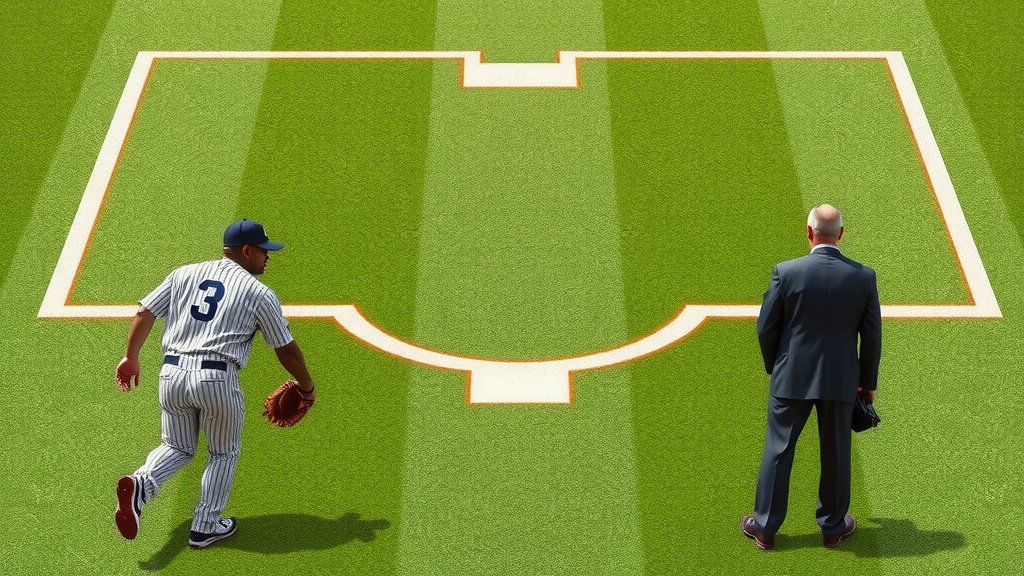
The home plate is a fixed point on the field. It’s a five-sided slab of whitened rubber. Umpires look at the pitch as it crosses over this plate. This is where the umpire’s judgment really comes into play. It’s the intersection of the pitcher’s effort and the batter’s defense.
What Makes a Pitch a Strike?
A pitch is considered a strike if it passes through the strike zone without the batter swinging. But there are a few other ways a strike can be called. Let’s break them down.
The Swung-At Pitch
This is the most common type of strike. If a batter swings at a pitch and misses, it’s automatically a strike. It doesn’t matter where the pitch was located. Even if it was way outside the normal strike zone, a swing and a miss counts as a strike. This is why pitchers often throw pitches that are intentionally difficult to hit.
The Called Strike
This is where the umpire’s judgment of the strike zone is vital. If a pitch enters the strike zone and the batter doesn’t swing, the umpire calls it a strike. This is where you see a lot of debate. Was the pitch really in the zone? The umpire’s call is final for that pitch.
The Foul Ball
When a batter hits a pitch, but it goes foul, it’s also a strike. There’s a small caveat here. If a batter already has two strikes, a foul ball doesn’t count as a third strike. They can keep fouling off pitches until they either get a hit, walk, or strike out swinging or looking on a pitch that’s in the zone. This rule can really extend an at-bat.
The Variable Nature of the Strike Zone
One of the most fascinating aspects of the strike zone is that it’s not the same for every batter. This is where the “imaginary box” idea gets a little fuzzy. The umpire must adjust their perspective based on the batter.
Batter Height and Stance Variations
Tall batters tend to have higher strike zones. Shorter batters have lower ones. A batter who crouches low will have a different strike zone than one who stands upright. The umpire needs to constantly adjust their perspective. They are watching the pitch relative to the hitter’s body in real-time.
Umpire’s Perspective Matters
Research has shown that umpires often have a slightly different strike zone than what’s officially defined. This is largely due to the angle from which they view the pitch. The umpire is positioned behind the catcher. This means they see the pitch from a slightly elevated perspective. Many experts agree this can lead to calls that seem inconsistent from the batter’s or fan’s viewpoint (MLB Official Rules).
Think of it like this: If you and a friend are looking at the same object from different angles, you might perceive its position slightly differently. Umpires undergo extensive training to standardize their calls. However, human interpretation is always a factor.
Common Strike Zone Misconceptions
Many fans have ideas about the strike zone that aren’t quite accurate. Let’s clear up a few common ones.
It’s Not a Perfect Rectangle
While we often see graphics showing a perfect box, the strike zone is more of a three-dimensional space. The ball has to travel through it. Its trajectory matters. A ball that just clips the edge of the zone might be called a strike. A ball that appears to be in the zone on TV might have been slightly off.
The “Ghost Runner” Myth
You might hear announcers or fans talk about a “ghost runner” or an “invisible strike zone.” This usually refers to the umpire calling strikes that seem to be just outside the commonly perceived zone. As we discussed, this can be due to the umpire’s perspective and the batter’s stance. It’s not a mystical element; it’s about the real-time judgment of the pitch’s path relative to the hitter.
The Umpire’s Challenge
Calling balls and strikes is arguably the most difficult job in baseball. Umpires must make split-second decisions on every single pitch. They have to account for velocity, movement, and location, all while watching the pitch cross home plate from a specific angle. They are under immense pressure to be accurate. A small margin of error is all they have. It’s no wonder there’s so much discussion about these calls.
Impact on the Game
The strike zone has a huge impact on how the game is played. Pitchers aim to throw pitches that are difficult to hit but still within the zone. Batters try to protect the plate against pitches in the zone and lay off pitches that are clearly balls. The umpire’s interpretation of the zone can significantly influence the outcome of an at-bat, and therefore, the game itself.
Consider the strategy:
- Pitchers might throw more “chasing” pitches (slightly outside the zone) if they have a good read on a batter’s tendencies.
- Batters might be more aggressive on the first pitch if they believe the umpire has a larger strike zone.
- A pitcher who relies on painting the corners might struggle if the umpire has a tighter strike zone.
Key Takeaways for Understanding the Strike Zone
To help you remember how the strike zone works, keep these points in mind:
- The zone is judged relative to the batter’s stance.
- Its top boundary is between the knee and the waist (mid-point of the torso).
- Its bottom boundary is the top of the home plate.
- A pitch is a strike if it’s in the zone and the batter doesn’t swing.
- Swinging and missing always results in a strike.
- Foul balls are strikes, except on the third strike.
Understanding these fundamentals will make you a more informed baseball fan. Next time you watch a game, pay attention to how the umpire sets up and how batters adjust their stance. It’s a subtle but critical part of baseball strategy.
“`Conclusion
You’ve now got a solid grasp of how the baseball strike zone functions. Remember, it’s not a rigid box but a dynamic area influenced by the batter’s stance and the umpire’s perspective. We’ve seen how pitch location, batter swings, and even foul balls contribute to strike calls. The umpire’s job is tough, and their judgment is key to the game’s flow. Armed with this knowledge, you’re ready to watch games with a keener eye. So next time you’re at a game or watching on TV, try to anticipate the calls and appreciate the strategy at play.
Frequently Asked Questions
Does the umpire’s position behind the catcher affect the strike zone?
Yes, research indicates the umpire’s viewing angle can influence their perception of the strike zone. Because they are behind the catcher, they see pitches from a slightly elevated perspective, which can sometimes lead to calls that seem different from what fans or batters see on TV.
What happens if a batter swings at a pitch that’s outside the strike zone and misses?
A swing and a miss always counts as a strike, regardless of where the pitch was. This rule encourages pitchers to throw pitches that are difficult to hit, even if they’re not perfectly located within the traditional strike zone.
Can a pitch that just barely touches the edge of the strike zone be called a strike?
Absolutely. The strike zone is a three-dimensional space, and a pitch only needs to pass through it. If a pitch clips the very edge of the zone and the batter doesn’t swing, the umpire can call it a strike.
How does a batter’s height change their strike zone?
Taller batters generally have a higher strike zone, extending further up their body. Shorter batters have a lower strike zone. The umpire must constantly adjust their view based on the batter’s physical stature and how they position themselves at the plate.
Why do some umpires seem to have a “bigger” or “smaller” strike zone than others?
While umpires receive training to standardize their calls, slight variations can occur due to individual interpretation and perspective. Factors like a batter’s stance and the umpire’s viewing angle can contribute to perceived differences in the strike zone from one umpire to another.