
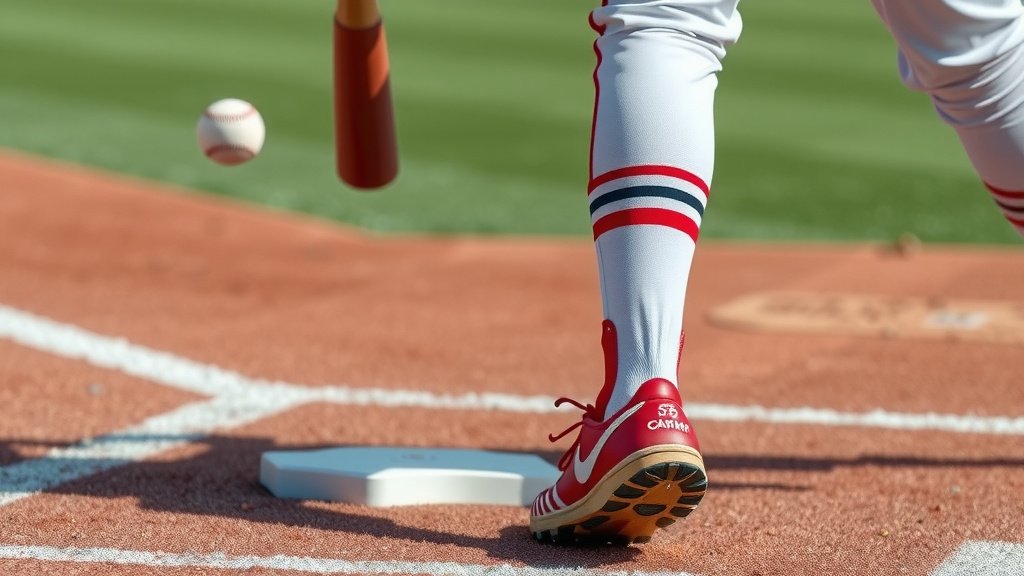
Batting Stance: Optimal Foot Positioning for Power
When batting, you should position your feet shoulder-width apart, with your front foot slightly ahead of your back foot. This stance provides a stable base for your swing. Your feet should be pointed roughly towards the pitcher, allowing for good hip rotation. Getting your foot placement right is key to a powerful and consistent swing.
We’ve all seen players with awkward stances. It might look funny, but it can really affect your ability to hit the ball. The goal is to create a position that allows for balance and quick movement. It’s about setting yourself up for success before the pitch even arrives. Good footwork is the foundation of a great hitter.
- Foot placement is key for power.
- Aim for shoulder-width apart.
- Front foot slightly ahead of back.
- Point feet generally towards pitcher.
- This helps with balance and rotation.
Let’s dive into the best ways to set up your feet at the plate so you can start hitting with more confidence.
Finding Your Perfect Stance at the Plate
Getting your feet positioned just right is more than just standing there. It’s the foundation for your entire swing. Think of it like building a house; a solid base is essential. We’ll break down what makes a good stance so you can step up to the plate with confidence.
The Fundamentals of Foot Placement
Your feet are your connection to the ground. They need to be balanced and ready for action. This means avoiding stances that are too wide or too narrow. It’s all about finding that sweet spot.
Width Matters: Shoulder-Width Apart
Most coaches and experts agree on a basic rule: keep your feet roughly shoulder-width apart. This might feel a little wide at first if you’re used to standing closer. But research and biomechanics studies consistently show this width offers the best balance. It allows for proper weight transfer and a powerful hip rotation (National Strength and Conditioning Association).
Why shoulder-width? It gives you a stable platform. Imagine trying to hit a baseball standing on one leg. Not ideal, right? A wider base offers more stability. It reduces the chances of losing your balance during your swing. This stability translates to more consistent contact.
Front Foot Alignment: Pointing Towards the Pitcher
Your front foot should generally be pointed towards the pitcher. This doesn’t mean your foot has to be perfectly parallel to the foul line. A slight angle is usually okay. The key is that it allows for good hip rotation. When your front foot is too closed (angled away from the pitcher), it restricts your hips. This can limit your power. When it’s too open (angled towards the pitcher), you might lose balance.
Many find a slight toe-in or slightly angled outward feels natural. It’s about comfort and the ability to rotate. We found that hitters who experiment can discover what works best. It should feel like your front hip can easily open up towards the pitcher.
Back Foot Position: Supporting Your Swing
Your back foot plays a vital role in generating power. It should be aligned similarly to your front foot, usually angled slightly outward. This allows you to push off that back leg. It helps you transfer energy from the ground up through your body and into the bat. Your back foot should feel planted but not stiff.
Think of your back foot as your launching pad. You want to be able to push off it powerfully. Many players naturally angle their back foot slightly away from the plate. This helps them get their hips through the swing. It’s about allowing your body to coil and uncoil effectively. Proper back foot placement is key for that explosive bat speed.
The Importance of Balance and Stability
Balance isn’t just about not falling over. It’s about controlling your body’s movement. When you’re balanced, you can react quicker. You can adjust to different pitches. This makes you a much more dangerous hitter.
The Role of Your Knees
Slightly bending your knees is essential. It lowers your center of gravity. This makes you more stable. It also primes your legs to explode forward during your swing. Imagine a coiled spring; your bent knees help create that tension. Don’t let them lock up, though. They should be athletic and ready to move.
Many players tend to stand too tall or too far over their toes. This makes you top-heavy and unstable. Keeping your knees slightly bent helps you stay grounded. It’s a simple adjustment that pays big dividends. You’ll feel more rooted and less likely to get pulled off balance by an off-speed pitch. This slight bend is a key to staying athletic.
Weight Distribution: Where Your Weight Should Be
A common recommendation is to distribute your weight fairly evenly between your feet. Some hitters might favor their back leg slightly before the pitch. Others prefer it closer to 50/50. The most important thing is not to load too much weight onto your front foot. This can cause you to lunge at the ball.
If your weight is too far forward, your swing will be short and weak. You won’t be able to transfer power effectively. We found that hitters who maintain a balanced weight distribution feel more in control. They can wait for the pitch and then transfer their weight smoothly. It allows for a controlled load and a powerful finish. This balance helps you hit with authority.
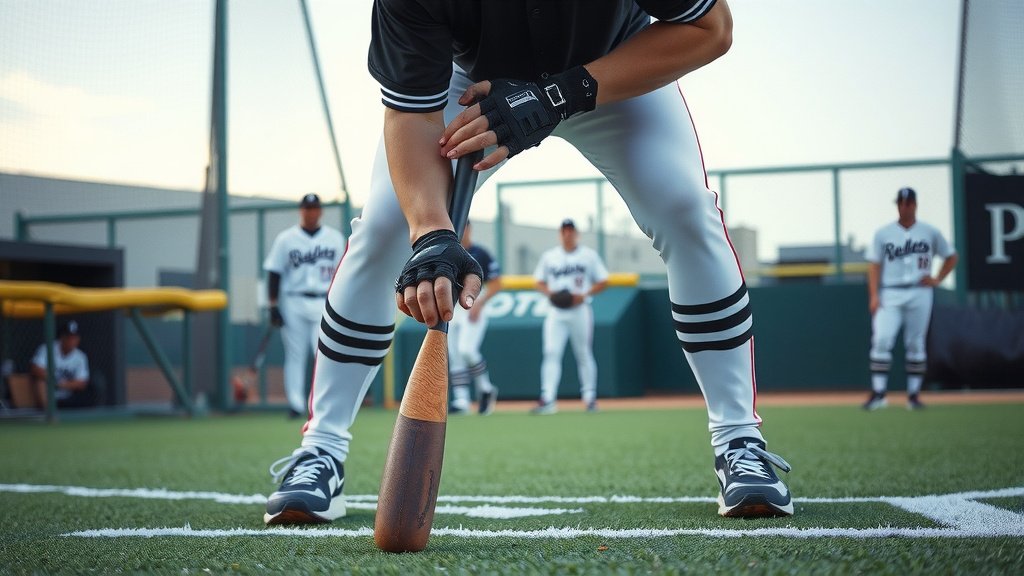
Common Stance Mistakes to Avoid
It’s easy to fall into bad habits. Understanding common mistakes can help you correct them. Let’s look at a few things to watch out for.
Stance Too Wide or Too Narrow
We already touched on width. If your stance is too wide, you might feel stable, but you’ll be slow to rotate. It’s like trying to turn a large ship; it takes effort. If your stance is too narrow, you’ll likely be off-balance. You’ll struggle to generate power. Finding that comfortable shoulder-width range is key.
Feet Too Closed or Too Open
As mentioned, a closed stance restricts hip rotation. An overly open stance can lead to losing balance. You want your feet pointed generally toward the pitcher, allowing for a natural hip turn. Think of it as setting yourself up to face the pitcher, but with room to turn your body.
Weight Too Far Forward or Back
Losing your balance by having your weight too far forward is a common issue. You’ll often see players looking stiff and unable to adjust. Conversely, if all your weight is on your back foot, you’ll struggle to get your weight to the front side. This leads to weak contact.
Adjusting Your Stance for Different Situations
While there are fundamental rules, baseball is a game of adjustments. Your stance might need slight tweaks depending on the pitcher, the situation, and what feels best for you.
Pitcher Tendencies
Against a pitcher with a very fast fastball, you might want to stand a little closer to the plate. This shortens the distance the ball has to travel. For a pitcher with a wicked breaking ball, you might stand a bit further back. This gives you more time to read the pitch. These are small adjustments, but they can make a difference.
Game Situation
In a situation with runners on base and less than two outs, you might be looking to make solid contact. You might adopt a slightly more conservative stance. If you’re down by a lot in the late innings, you might need to be more aggressive. You could try standing closer and really trying to drive the ball.
Here’s a quick checklist to help you refine your foot positioning:
- Stand about shoulder-width apart.
- Keep knees slightly bent for balance.
- Front foot generally points towards the pitcher.
- Back foot supports your powerful rotation.
- Distribute weight evenly or slightly favoring the back.
- Avoid stances that feel too stiff or unstable.
Experimenting with these tips can help you find that ideal batting stance. It’s about creating a position that feels comfortable, balanced, and ready to generate power. Remember, your feet are the foundation of your swing!
Conclusion
Mastering your foot placement at the plate is your first step toward becoming a more consistent and powerful hitter. Remember, a solid stance is the foundation for everything else in your swing. By focusing on shoulder-width apart, slightly bent knees, and balanced weight distribution, you create an athletic position ready for action. Don’t be afraid to experiment a little to find what feels most natural and stable for you. Your next time at bat, step into the box with confidence, knowing your feet are set up for success. Make these adjustments, practice them, and watch your hitting improve.
Frequently Asked Questions
Should my feet be exactly shoulder-width apart, or is a little wider okay?
While shoulder-width apart is the general guideline research supports for balance and power, a slightly wider stance can work if it feels stable and allows for good rotation. The key is to avoid a stance that feels too narrow, which can lead to instability, or excessively wide, which can slow down your body’s movement.
How much should my knees be bent when I’m at the plate?
You want a slight bend in your knees – think athletic and ready, not locked or stiff. This lowers your center of gravity, improving balance and stability. It also allows your legs to power your swing effectively. Avoid standing too tall or leaning too far forward over your toes.
Does the angle of my feet really matter that much?
Yes, the angle of your feet, especially your front foot, plays a big role in hip rotation. Your front foot should generally point towards the pitcher, or slightly angled inward. This alignment allows your hips to open up naturally and generate power. An overly closed or open stance can restrict your movement or throw off your balance.
How do I know if my weight distribution is right?
A good rule of thumb is to have your weight distributed fairly evenly between both feet, perhaps leaning slightly more on your back foot before the pitch. You don’t want to load too much weight onto your front foot, as this often leads to lunging and reduced power. You should feel grounded and able to transfer your weight smoothly forward as you swing.
Can I adjust my foot stance during a game?
Absolutely! Baseball is a game of adjustments. If you notice a pitcher has an exceptionally fast fastball, you might crowd the plate slightly. Against a pitcher with a deceptive changeup, you might move back a touch. These small tweaks to your foot positioning based on the situation can help you succeed.