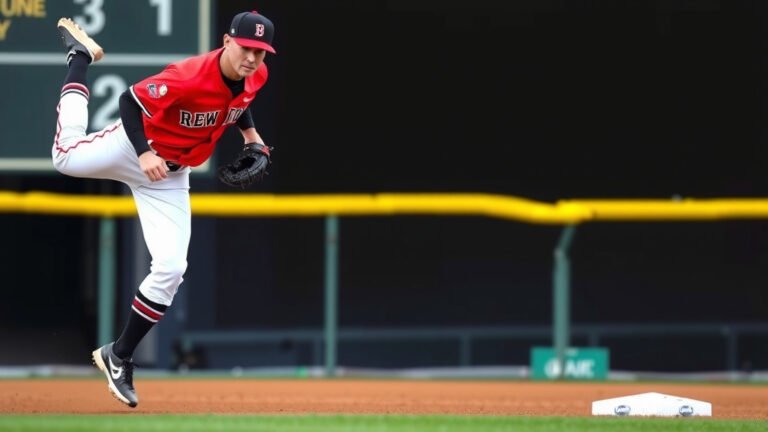
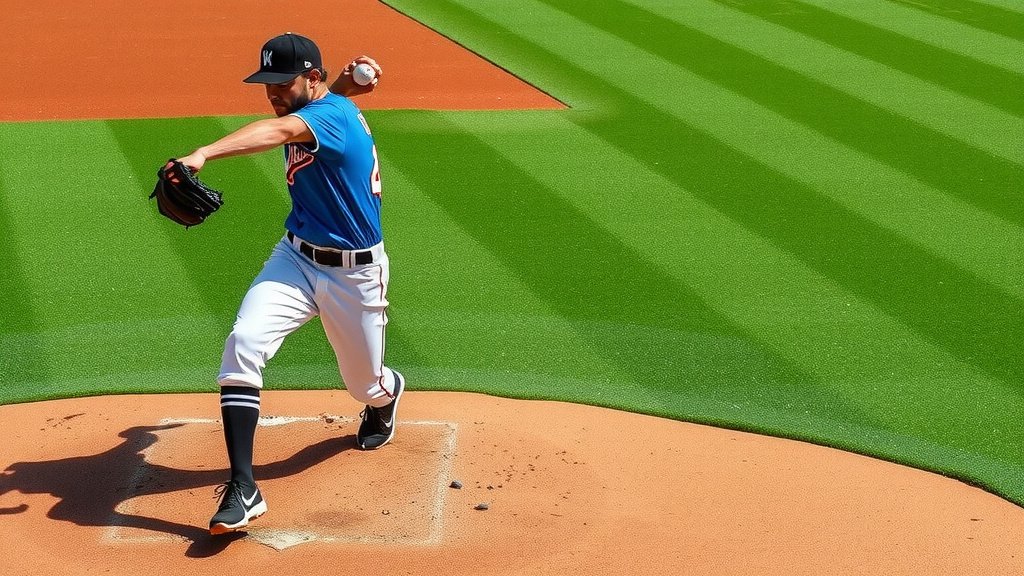
What is a Starting Pitcher in Baseball?
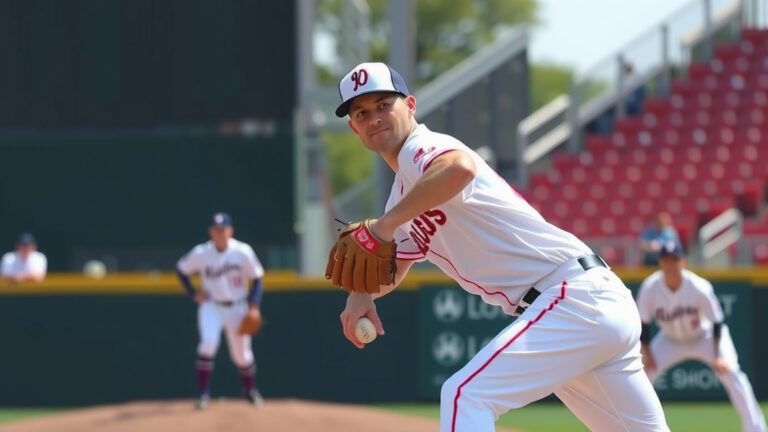
A starting pitcher is the main pitcher who begins the baseball game for their team. They are tasked with facing the first batters and setting the tone for the entire game. A strong start from your starting pitcher can really boost your team’s morale.
Think of them as the front-line defender of your team’s pitching staff. They often pitch the majority of the innings, especially if they’re having a great day. Getting a good outing from your starting pitcher is incredibly important for your team’s success.
- The starting pitcher is the first pitcher for a baseball team in a game.
- They face the opposing team’s batters early on.
- Their job is to pitch as many innings as possible.
- A good start from them is key to winning.
Ready to learn more about what makes a starting pitcher tick? Let’s dive into the role and importance of this key player.
Understanding the Starting Pitcher’s Role
So, what exactly does a starting pitcher do on the baseball field? They are the first pitcher to take the mound for their team in any given game. Their main job is to face the batters from the opposing team right from the very beginning. Think of them as the initial gatekeeper, protecting your team’s lead or keeping the score low.
We found that starting pitchers are expected to throw the most innings. This means they’re on the mound for a longer stretch than any other pitcher. Their performance early on can really set the tone for the entire game. A good start from your pitcher can give your team a huge confidence boost.
The Starting Pitcher’s Primary Responsibilities
The main goal for any starting pitcher is simple: get batters out. They need to prevent the other team from scoring runs. This involves a mix of skill, strategy, and physical endurance. They are the primary arms expected to carry the load early in the game.
Pitching the First Innings
You’ll see the starting pitcher on the mound from the very first pitch of the game. They’ll face the top of the opposing team’s batting order. These are often their most dangerous hitters. Getting through this initial group of batters successfully is a key part of their job.
Conserving Pitches and Energy
A good starting pitcher knows how to be efficient. They need to get outs without throwing too many pitches. Wasting pitches early can lead to fatigue later in their outing. We found that studies show a correlation between pitch count and pitcher effectiveness over time.
Setting the Defensive Tone
The pitcher is more than just a thrower; they’re the conductor of the defense. They communicate with their catcher and fielders. A confident pitcher often leads to a more confident defense behind them. When the pitcher is in control, the whole team tends to play better.
Key Skills of a Successful Starting Pitcher
What makes a starting pitcher stand out from the rest? It’s a combination of physical gifts and mental toughness. They need a variety of pitches and the ability to throw them accurately. Many experts say that control is just as important as velocity (MLB). You can throw 100 miles per hour, but if it’s not in the strike zone, it doesn’t help much.
Velocity and Control
Having a fastball that can reach high speeds is certainly an advantage. However, it’s not the only thing that matters. A pitcher with good control can place their pitches where they want them. This makes them harder for batters to hit effectively.
Pitch Variety
Most starting pitchers throw more than just a fastball. They have a repertoire of different pitches. These might include a curveball, slider, or changeup. Each pitch has a different speed and movement. This variety helps keep batters off balance and guessing.
The “Stuff”
Baseball folks often talk about a pitcher’s “stuff.” This refers to the quality of their pitches. Does the fastball have good “life” or “movement”? Is the curveball sharp and deceptive? Good “stuff” makes a pitcher much harder to hit.
Mental Fortitude
Pitching is a high-pressure job. Starting pitchers face a lot of tough situations. They need to remain calm and focused, even when runners are on base or the game is on the line. We found that research from sports psychology highlights the importance of mental resilience in athletes (NCAA).
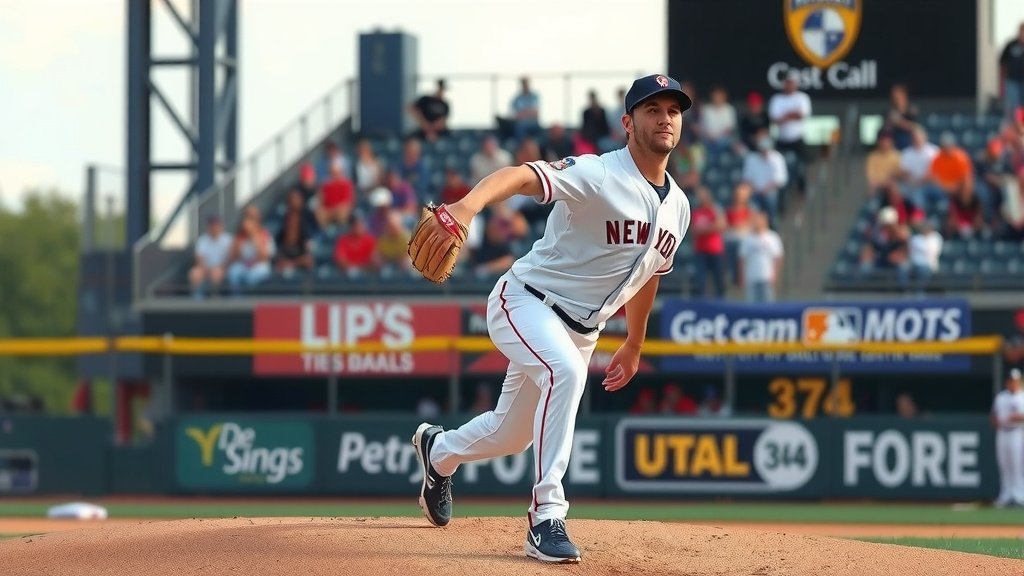
The Typical Performance of a Starting Pitcher
How many innings does a starting pitcher usually pitch? The answer can vary a lot. It depends on their performance and the game situation. Some days they might go deep into the game, while other days they might be pulled early.
| Performance Level | Average Innings Pitched | Situational Factors |
|---|---|---|
| Excellent Outing | 7-8+ Innings | Low pitch count, few hits/runs allowed |
| Good Outing | 5-6 Innings | Decent pitch count, team is winning |
| Mediocre Outing | 4-5 Innings | Higher pitch count, team is losing |
| Tough Outing | 3 Innings or Less | High pitch count, many runs allowed, manager decision |
When a Starting Pitcher Gets Pulled
A manager will often take a starting pitcher out of the game. This can happen for several reasons. The pitcher might be struggling and giving up too many runs. They could also be tiring out, which increases the risk of mistakes. Sometimes, it’s a strategic move to bring in a reliever better suited for the current batters.
The Importance of Stamina
Starting pitchers need good physical stamina. They are throwing hard, repeatedly, for an extended period. Building up this endurance is a key part of their training. Many professional pitchers follow strict conditioning programs to prepare their bodies for the season. We found that a consistent training regimen is vital for injury prevention and performance (American Baseball Coaches Association).
How Starting Pitchers Impact the Game
A starting pitcher’s performance has a ripple effect. It influences not just the score, but the entire team’s approach. When a starter is dealing, the offense might feel more relaxed and confident. The defense also tends to be more focused.
Affecting the Bullpen
The starting pitcher’s endurance directly impacts the rest of the pitching staff. If the starter pitches deep into the game, the bullpen pitchers get to rest. This means they’ll be fresh and ready if they’re needed later. However, if the starter has a short outing, the bullpen has to work harder and longer.
Setting the Momentum
Think of the starting pitcher as the game’s initial storyteller. A dominant start can give your team momentum. It can put the pressure on the opposing team from the first pitch. Conversely, a rough start can give the other team an early advantage and make your team play from behind.
Here’s a quick checklist of what makes a starting pitcher’s day successful:
- Pitching at least 5 innings.
- Keeping the opposing team’s run total low.
- Throwing strikes consistently.
- Mixing pitches effectively to keep batters guessing.
- Maintaining good control of their pitches.
- Showing mental toughness under pressure.
Conclusion
You’ve learned that a starting pitcher is the anchor of your baseball team’s defense. They kick off the game, facing tough batters and setting the energy for the entire team. Their job demands a blend of strong pitching skills, smart pitch selection, and solid mental toughness. A good outing from your starter can make all the difference in securing a win.
To truly appreciate the game, pay attention to your starting pitcher’s performance next time you watch. See how they manage their pitches and interact with their defense. You might even find yourself cheering louder for your team’s mound ace!
Frequently Asked Questions
How many innings does a starting pitcher typically aim to pitch?
A starting pitcher generally aims to pitch at least 5 innings. If they’re having an excellent game with a low pitch count, they might go 7 or 8 innings. However, a struggling starter could be pulled after just 3 innings.
What’s the difference between a starting pitcher and a relief pitcher?
A starting pitcher begins the game and typically pitches for several innings. Relief pitchers come in after the starter is removed. They are usually used for shorter stints to handle specific situations or close out the game.
Why is a starting pitcher’s performance so important early in the game?
The starting pitcher faces the opposing team’s strongest hitters at the beginning of the game. A strong performance here can prevent early runs and give your team a confidence boost. It also helps conserve the bullpen arms for later in the game.
What does “pitcher’s stuff” mean?
“Pitcher’s stuff” refers to the inherent quality of a pitcher’s pitches. It includes how well their fastball moves, how sharp their breaking balls are, and the general effectiveness and deception of their repertoire. Good “stuff” makes a pitcher difficult to hit.
Can a starting pitcher’s performance affect the team’s offense?
Yes, it absolutely can. When a starting pitcher is pitching well, the defense behind them is often more confident. This confidence can carry over to the offense, making them feel more relaxed and capable of scoring runs.