Understanding the Intentional Walk: A Baseball Strategy
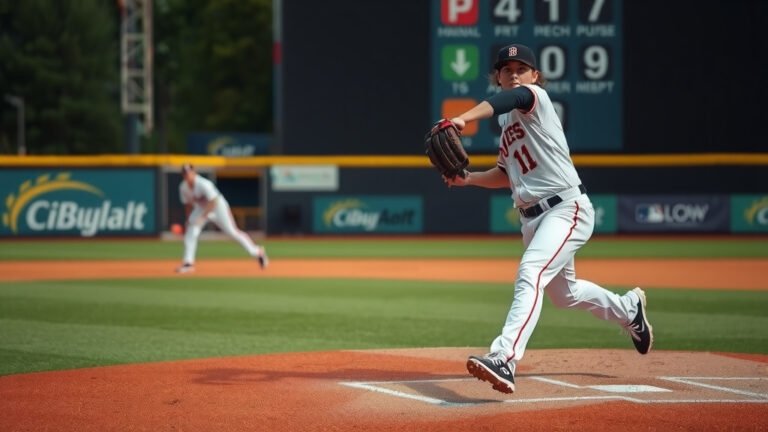
An intentional walk is a strategic decision by the pitcher to throw four pitches outside the strike zone to a batter. This allows the batter to advance to first base automatically. It’s often used to avoid pitching to a dangerous hitter.
This play happens when a manager believes the current batter poses too great a threat. They might be a power hitter who could easily hit a home run. Pitching around them sets up a more favorable matchup for the defense. It’s a smart tactical move in baseball.
- An intentional walk means the pitcher deliberately throws balls.
- The batter automatically gets first base.
- It’s a strategic move to avoid a dangerous hitter.
- This sets up a potentially easier out later.
Let’s dive into why a team would choose this tactic and what it means for the game.
Why Pitchers Intentionally Walk Hitters
You’ve seen it in baseball games. A pitcher throws four pitches way outside the strike zone. The batter just walks to first base. This is the intentional walk. It’s a strategic move made by the coaching staff.
The main reason is simple: avoiding a dangerous hitter. When a batter is on a hot streak or is known for hitting home runs, the defense might want to think twice about pitching to them. It’s like deciding not to poke a bear.
This tactic allows the defense to set up a more favorable situation. They might prefer to face the next batter in the lineup. This is especially true if the next batter has a history of struggling against the current pitcher. It’s a calculated risk.
The Mechanics of an Intentional Walk
How does an intentional walk actually happen on the field? It used to involve the pitcher throwing four pitches well off the plate. The catcher would often stand up to catch them. This allowed the batter to take their time and jog to first base.
Recently, baseball rules have changed this. Now, a manager or catcher can signal for an intentional walk. The umpire will then wave the batter to first base. The pitcher doesn’t even have to throw the ball. This saves time and reduces the risk of a wild pitch.
This rule change was implemented in Major League Baseball starting in 2017. It was designed to speed up the game. Fewer pitches are thrown, and the play concludes more quickly. It’s a small change that has a noticeable effect on game flow.
Strategic Situations for an Intentional Walk
When do coaches decide to issue an intentional walk? It’s usually not a random decision. Several factors come into play. The score, the inning, and the runners on base all matter.
Avoiding the Cleanup Hitter
The cleanup hitter is typically the fourth batter in the lineup. This position is often reserved for a team’s best slugger. They are usually in a prime position to drive in runs. Pitching to them with runners in scoring position can be risky.
Imagine a situation with runners on second and third, and no outs. The cleanup hitter steps up to the plate. Their power could easily lead to a bases-clearing double or home run. An intentional walk would load the bases.
While loading the bases seems bad, it sets up a force play at any base. It also brings a less dangerous hitter to the plate. The defense might prefer to get an out at home or try for a double play.
Setting Up a Double Play
A double play is when the defense gets two outs on a single play. This is a huge momentum shift in baseball. Intentional walks can help set up these opportunities.
If there’s a runner on first base and the next batter is a strong hitter, a walk can put another runner on base. Now there are runners on first and second. This creates more possibilities for a ground ball double play.
The defense is hoping for a ground ball hit to an infielder. The infielder can then step on second base and throw to first. Or they might throw home and then to first. The added runner makes these plays more likely.
Pitcher-Batter Matchups
Sometimes, it’s not just about avoiding the best hitter. It’s about playing to your pitcher’s strengths. Some pitchers struggle against certain types of hitters.
For example, a pitcher might have trouble with left-handed batters. If the opposing team’s best hitter is a lefty, the manager might consider an intentional walk. This is especially true if the next batter is right-handed, against whom the pitcher performs better.
This goes back to statistical analysis. Teams study batter-pitcher matchups extensively. They look at historical data to see who has the advantage. This information guides these strategic decisions.
The Risks and Downsides of Intentional Walks
While intentional walks can be effective, they aren’t without risk. You’re essentially giving a runner a free pass to first base. This can sometimes backfire.
Loading the Bases
As mentioned earlier, an intentional walk can load the bases. This puts immense pressure on the pitcher. Every pitch becomes critical. A walk or a hit can lead to multiple runs scoring.
You might have heard the saying, “You never want to load the bases.” It’s a common piece of baseball wisdom. When the bases are loaded, the margin for error for the pitcher is very small.
Many times, the batter following the intentionally walked hitter might be good enough to make them pay. They could get a hit and score those runners. It’s a gamble that doesn’t always pay off.
Psychological Impact
Issuing an intentional walk can also have a psychological effect. It can signal a lack of confidence in the pitcher. It can also energize the opposing team. They might see it as a sign of weakness.
Conversely, it can sometimes put more pressure on the defense. They know they have to make the next play. The batter who *wasn’t* intentionally walked now has a chance to prove the defense wrong.
Baseball is a game of inches and moments. Sometimes, the psychological aspect plays a bigger role than the statistics. A manager has to consider how their players and the opposition might react.
Famous Intentional Walks in Baseball History
Some intentional walks are more famous than others. They often happen in critical moments of important games.
One of the most talked-about intentional walks involved Barry Bonds. He was one of the most feared hitters in baseball history. In 2004, Arizona Diamondbacks manager Bob Brenly decided to intentionally walk Bonds with the bases loaded. This was unheard of!
The Diamondbacks were up by two runs in the bottom of the ninth. They walked Bonds to face the next batter, Brent Mayne. Mayne then flew out, ending the game. It was a bold move that paid off for the Diamondbacks.
These moments become legendary because they are so unusual and high-stakes. They show just how much a team might fear a particular hitter.
Intentional Walks vs. Pitching Around a Hitter
It’s important to distinguish an intentional walk from simply “pitching around” a hitter. While the outcome might seem similar, the intent and execution can differ.
| Feature | Intentional Walk | Pitching Around |
|---|---|---|
| Pitcher’s Goal | Deliver four balls outside the strike zone. | Try to get the hitter to chase bad pitches. |
| Outcome | Batter automatically awarded first base. | Batter may walk, strike out, or get a hit. |
| Signal | Manager/catcher signals umpire. No pitches necessarily thrown. | No signal. Pitcher attempts to miss the strike zone. |
| Certainty | Guaranteed base runner. | Uncertain; depends on hitter’s discipline. |
Pitching around a hitter means the pitcher is trying to be careful. They might throw pitches just outside the strike zone. The goal is to get the hitter to swing at a pitch they can’t hit well. This still gives the hitter a chance to put the ball in play.
An intentional walk, especially with the current rules, is a direct decision. There’s no attempt to get the hitter out. It’s a complete bypass of the batter.
A Quick Checklist for Intentional Walks
Here’s a quick summary of when you might see an intentional walk:
- Dangerous Hitter: The batter is a major offensive threat.
- Runners on Base: Especially runners in scoring position.
- Setting Up Matchups: To face a weaker hitter next.
- Double Play Opportunity: To create a force play at multiple bases.
- Late Innings: Often a tactic in close games.
- Score Matters: The score can influence the risk assessment.
Conclusion
You’ve learned that an intentional walk is more than just a series of missed pitches. It’s a calculated chess move in baseball. Managers use it to strategically avoid dangerous hitters, set up favorable matchups, or create double-play opportunities. While it guarantees a runner, it carries risks like loading the bases or impacting team momentum. Understanding these tactical decisions helps you appreciate the deeper strategy behind the game. Now, next time you see an intentional walk, you’ll know exactly why it’s happening and what the team is hoping to achieve.
Frequently Asked Questions
Does an intentional walk always result in a runner?
Yes, an intentional walk automatically awards the batter first base. Since the rule change, the umpire simply signals the batter to advance without any pitches needing to be thrown. This ensures the batter reaches base safely.
Can you intentionally walk a batter with the bases loaded?
While rare and highly risky, you absolutely can intentionally walk a batter with the bases loaded. The most famous example involved Barry Bonds. This action forces in a run but is sometimes done to face a less dangerous hitter next.
What’s the difference between an intentional walk and pitching around a hitter?
The key difference is certainty and intent. An intentional walk is a deliberate decision to put a batter on base, often signaled. Pitching around a hitter involves trying to get them to chase bad pitches, with the hope they’ll either strike out or hit weakly, but a base runner isn’t guaranteed.
Why did baseball change the rule for intentional walks?
The rule change, implemented in 2017, was primarily to speed up the game. By allowing managers to signal for an intentional walk, it eliminates the need for four extra pitches. This saves time and reduces the chance of errors like wild pitches during these sequences.
When is an intentional walk most likely to happen?
Intentional walks are most commonly seen when facing a team’s best hitter, especially with runners on base or in scoring position. They are also used to set up a double-play opportunity or to create a more favorable pitcher-batter matchup for the next hitter.