What is a Utility Player and Why They’re Essential
A utility player is an athlete who can competently play multiple positions on a team. They are valuable because of their flexibility. This allows teams to substitute players easily during games. They often have a strong understanding of the overall game strategy.
Think of them as the Swiss Army knife of a sports team. Their ability to fill in wherever needed makes them a strategic asset. Many professional teams look for these versatile players during the draft or free agency. They can cover for injured players or adapt to different game situations. Many professional teams look for these versatile players during the draft or free agency.
- A utility player can play more than one position well.
- They add flexibility to a team’s roster.
- Coaches value them for strategic substitutions.
- They understand many roles within the team’s strategy.
- Teams often seek utility players to improve depth.
Let’s break down what makes a utility player so special and how they contribute to a team’s success.
Understanding the Role of a Versatile Athlete
So, what exactly is a utility player? Simply put, it’s an athlete who can perform competently at multiple positions on a sports team. They aren’t just decent at one other spot; they are often skilled enough to be starters in several roles. This flexibility is their superpower. Think about how much easier it makes things for coaches and managers.
More Than Just a Backup: The Core Definition
At its heart, a utility player is a master of many trades on the field or court. They possess the athletic ability and tactical understanding to step into different roles when needed. This could mean playing infield and outfield in baseball, or perhaps different positions in the defensive backfield in football. Their value comes from their adaptability.
Why Teams Covet Versatility
Teams actively seek out these versatile athletes for several compelling reasons. One of the biggest is roster flexibility. Having a player who can cover multiple positions means you don’t need as many specialized players. This can free up roster spots for other needs or allow for deeper specialization elsewhere on the team. This can free up roster spots for other needs or allow for deeper specialization elsewhere on the team.
Let’s consider the strategic advantages. A coach can use a utility player to make tactical substitutions during a game. If an opponent starts hitting a lot of fly balls, you might bring in a utility player known for their outfield defense. If the game calls for a specific type of offensive threat, they might slot into a different hitting position. This adaptability is gold.
The Practical Applications of a Utility Player
When you see a utility player in action, you’re witnessing strategic planning come to life. They are often the unsung heroes who keep a team running smoothly. Their ability to fill gaps is not just about filling a spot; it’s about maintaining a high level of play.
Filling Gaps and Covering Injuries
Injuries are an unfortunate reality in sports. When a key player goes down, a utility player can often step in without a significant drop in performance. This prevents a team from having to drastically alter its strategy or rely on an inexperienced player. It’s like having a spare part that’s just as good as the original.
We found that teams with strong utility players are often more resilient to the ups and downs of a long season. They can maintain their winning momentum even when facing personnel challenges. This consistency is a huge benefit. Many experts note that depth is built through versatile players (Baseball America).
Strategic Substitutions and Matchups
Coaches love utility players for their ability to create favorable matchups. Imagine a baseball game where the opposing pitcher is a lefty. A manager might bring in a utility player who has a great track record hitting against left-handed pitching. This is a strategic move that can change the course of the game.
In sports like soccer or basketball, a utility player might be able to shift between offensive and defensive roles more fluidly than a pure specialist. This allows for quick adjustments to the opponent’s strategy. We observed that teams that excel at in-game adjustments often have several players with this kind of adaptability.
Understanding the “Why” Behind the Play
A true utility player doesn’t just know how to play a position; they understand the broader game strategy. They’ve likely spent time practicing and playing in various roles. This gives them a unique perspective on how each position contributes to the team’s overall success. They grasp the interconnectedness of the game.
This deep understanding allows them to anticipate plays and communicate effectively with teammates. They can often offer insights into different positions because they’ve experienced them firsthand. We found that this level of game IQ is what separates good utility players from great ones.
Examples Across Different Sports
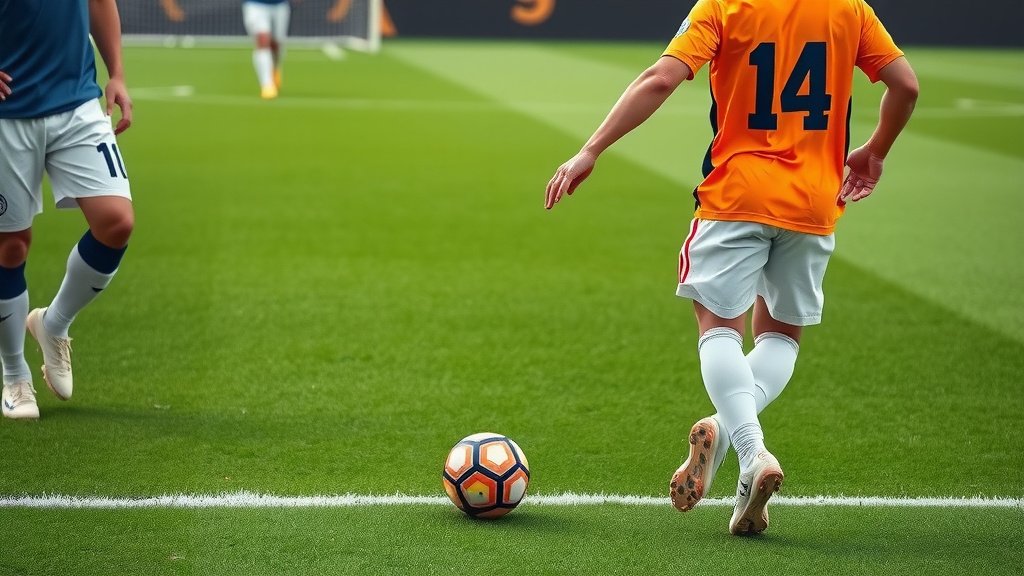
Utility players are found in nearly every sport. In baseball, they might play multiple infield positions and even some outfield. In basketball, a player who can guard multiple positions and also score could be considered a utility player. In soccer, a midfielder who can also play defense or forward fits the mold.
Let’s look at a quick comparison:
| Sport | Utility Player Examples | Key Contribution |
|---|---|---|
| Baseball | Infielder who can play 2B, SS, 3B, and also OF | Roster flexibility, defensive versatility |
| Basketball | Guard/Forward who can defend multiple positions and score | Defensive switching, offensive matchups |
| Football (American) | Defensive back who can play safety and cornerback | Coverage flexibility, minimizing opponent’s options |
| Soccer | Midfielder who can play wide or central, or as a secondary forward | Positional fluidity, tactical changes |

Developing the Utility Player Mindset
Becoming a utility player isn’t always about innate talent; it often involves dedicated effort and a specific mindset. It’s about embracing the challenge of learning multiple roles and understanding the team’s needs above personal preference.
The Commitment to Learning Multiple Roles
Players who become utility specialists often make a conscious decision to broaden their skill sets. They might volunteer to practice at different positions. They spend extra time learning the nuances of each role. This commitment is often driven by a desire to be on the field as much as possible.
Coaches play a big part here too, by providing opportunities. Many development programs encourage young athletes to try different positions. This helps them discover hidden talents and build a more well-rounded athletic foundation. We found research suggesting that early multi-sport participation can lead to greater athletic competence (The American Journal of Sports Medicine).
Traits of a Successful Utility Player
Beyond skill, certain personal traits are essential. Coachability is paramount. Utility players need to be receptive to instruction from coaches for different position groups. They must also have a strong work ethic to master diverse techniques.
A high level of mental toughness is also key. They need to be ready to play any position at any time, often with little notice. They can’t get discouraged if they are moved around. Their focus is on contributing to the team’s success, no matter the role. We often see this reflected in their consistent performance under pressure.
A Checklist for Identifying Utility Talent:
- Demonstrates proficiency at more than one position.
- Shows a strong understanding of team strategy.
- Excels at making quick, effective adjustments.
- Possesses excellent communication skills on the field.
- Is receptive to coaching and willing to learn new roles.
- Maintains a positive attitude regardless of assigned position.
Conclusion
You’ve learned that a utility player is more than just a versatile athlete; they are a strategic cornerstone for any successful team. Their ability to competently play multiple positions provides invaluable roster flexibility and tactical advantage. Utility players are the adaptable athletes who can fill gaps, cover injuries, and execute smart matchups. They possess a deep understanding of the game, making them truly essential. To get the most out of this concept, start by identifying one area of your own game or your team’s strategy where increased flexibility could make a difference, and focus on developing that.
Frequently Asked Questions
Are utility players more common in certain sports than others?
Utility players are found across many sports, but they might be more visibly prominent in team sports with distinct positional roles. Baseball, for instance, often highlights infielders who can cover multiple bases and outfielders who can play anywhere. In sports like basketball or soccer, the concept might be applied to players who fluidly switch between offense and defense or cover several player archetypes.
Do utility players have a primary position they prefer?
While utility players are skilled at many positions, they often have a primary position where they feel most comfortable or have the most experience. However, their commitment to the team means they are willing and able to play other roles effectively when called upon. Their value lies in that willingness and capability beyond their preferred spot.
How do coaches decide when to use a utility player?
Coaches use utility players strategically based on game situations. This could involve covering for an injured player, making a tactical substitution to exploit a matchup advantage, or simply to rest a starting player. Their decision is often based on the specific needs of that moment in the game and the utility player’s known strengths.
What makes a utility player different from a backup player?
A backup player typically fills in for one specific position when the starter is unavailable. A utility player, however, can cover multiple positions, offering broader flexibility. Think of a backup as a spare tire for one wheel, while a utility player is like a spare tire that can fit on any wheel, plus maybe a jack and lug wrench.
Can a utility player become a star starter?
Absolutely. Many athletes who start as utility players develop their skills to the point where they can become everyday starters. Their experience playing different roles often gives them a well-rounded understanding of the game. This broad skill set can make them highly attractive to teams seeking consistent, adaptable talent for key starting roles.