
What Is A Walk In Baseball: A Complete Guide
A walk in baseball, often called a “base on balls,” is awarded to a batter when a pitcher throws four pitches outside the strike zone. This allows the batter to advance to first base without needing to hit the ball. It’s a key strategic element that can significantly impact a game’s score and momentum. You’ll see it happen quite a bit.
Understanding walks is vital for any baseball fan. It’s not just about getting a hit; it’s also about pitcher control and batter discipline. A walk can put runners on base, setting up scoring opportunities or forcing strategic pitching changes. Learning about walks helps you appreciate the finer points of baseball strategy.
- A walk means the pitcher threw four balls.
- The batter automatically goes to first base.
- It can put runners on base for the offense.
- Pitchers try to avoid them to keep batters from advancing.
Let’s walk through exactly what makes a walk happen and why it matters so much in the game.
Understanding the Baseball Walk: A Closer Look
So, you’re watching a baseball game, and suddenly, the batter just walks to first base without even swinging. What just happened? That’s a walk, a fundamental part of baseball that often leaves newer fans a bit puzzled. We’re here to clear it all up for you.
A walk, or “base on balls,” is a reward for the batter. It happens when the pitcher has trouble finding the strike zone. It’s a moment where the pitcher’s control falters, and the batter’s patience pays off. Let’s break down exactly how this happens and why it’s such a big deal in the game.
The Mechanics of a Walk: Four Balls, No Strikes
The heart of a walk lies in the count of balls and strikes. Baseball uses a system where each pitch is either a ‘ball’ or a ‘strike’. A strike is generally a pitch that the batter can hit but doesn’t, or a pitch that crosses the plate within a specific zone. A ball is usually a pitch that’s thrown too far outside this zone.
For a batter to earn a walk, the pitcher needs to throw four balls. The umpire calls each pitch, and if four are ruled balls before the batter accumulates three strikes, the batter is awarded first base. This means the batter gets to advance safely, and any runners already on base can also move up if forced.
What Exactly is a “Ball”?
The strike zone is a somewhat imaginary box over home plate. It’s defined by the batter’s stance and the plate’s width. Generally, it’s between the batter’s armpits and the top of their knees. A pitch that doesn’t pass through this zone, and the batter doesn’t swing at it, is called a ball.
Umpires have the tough job of judging this zone on every single pitch. Factors like the pitcher’s release point and the batter’s height can change the perceived size of the zone. A pitch thrown too high, too low, too far inside, or too far outside is often called a ball. Many professional players and analysts agree that umpire consistency can be challenging (MLB Umpires Manual).
The “Three Strikes and You’re Out” Rule
It’s crucial to remember the flip side. While four balls lead to a walk, three strikes result in a strikeout. This is the most common way a batter is retired. Strikes can be called for pitches in the zone that the batter doesn’t swing at, swings and misses, or foul balls (with some exceptions).
The interplay between balls and strikes is what makes pitching so strategic. A pitcher wants to throw strikes to get batters out. They also want to keep the ball away from the heart of the plate to avoid giving up hits. This balance is key. You’ll often see pitchers try to “paint the corners” of the strike zone, pushing the boundaries without throwing a ball.
Why Walks Matter: Strategic Implications
A walk might seem like a minor event, but it can have a massive impact on the game. It’s not just about one batter reaching base; it sets off a chain reaction of strategic decisions for both teams.
Putting Runners on Base
The most immediate effect of a walk is placing a runner on first base. This is a huge advantage for the offense. A runner on base can steal bases, advance on hits, and score runs. Even a runner on first can change the entire dynamic of an inning.
If there are already runners on base when a walk occurs, those runners might advance. This is called a “forced advance.” For example, if there’s a runner on first and the batter walks, that runner is forced to move to second base. If the bases were loaded, the runner on third is forced home, scoring a run.
Pitcher’s Control and Stamina
For a pitcher, throwing too many walks is a clear sign of trouble. It means they are struggling to find the strike zone. This can be due to fatigue, poor mechanics, or simply having an “off” day. Pitchers who walk a lot of batters often have higher earned run averages (ERAs).
Constantly throwing balls can tire a pitcher out faster. They might need to throw more pitches to get through an inning. This can lead to them being removed from the game earlier than planned. Pitching coaches and managers closely monitor a pitcher’s walk total as a key indicator of performance.
Batter Discipline and Patience
On the flip side, walks are a sign of good batter discipline. A batter who takes pitches and works the count can force a pitcher into a corner. If a batter consistently avoids chasing bad pitches, they can either draw a walk or force the pitcher to throw a hittable pitch.
Many experts say that patience at the plate is as important as raw hitting power. A batter who can draw walks contributes to their team’s offense by simply getting on base. This is why you’ll sometimes see players get a lot of walks without hitting for a high average. They are valuable players contributing in a different way.
Intentional Walks: A Strategic Masterstroke (or Mistake?)
Sometimes, a team will intentionally walk a batter. This is called an intentional walk. It’s a very specific strategic move, often employed when facing a particularly dangerous hitter.
Here’s how it works: the pitcher will throw four pitches intentionally far away from the plate, and the umpire will signal the walk without the batter even needing to stand in the batter’s box. The manager signals this to the umpire. It’s a gamble, essentially choosing to put a dangerous hitter on base to face a less dangerous one.
When to Issue an Intentional Walk
Intentional walks are usually reserved for situations with runners on base, often with first base open. The goal is to avoid letting a superstar hitter, like a slugger with a hot bat, beat you with a game-changing hit. For instance, if a team has a runner on second and third with two outs, and the batter is the league’s leading home run hitter, the manager might decide to intentionally walk him.
This loads the bases, but it sets up a force play at every base and allows the defense to potentially get an out at any base. The hope is that the next batter is much easier to get out. It’s a calculated risk, and sometimes it backfires spectacularly!
A Quick Checklist for Understanding Walks
Here’s a handy reminder of the key things to remember about walks:
- Pitcher throws four balls.
- Batter is awarded first base.
- Batter does not need to swing.
- Runners on base may advance.
- It’s a sign of pitcher control issues.
- It’s a sign of batter patience.
Walks vs. Other Ways to Reach Base
It’s useful to see how a walk compares to other ways a batter can get on base. Each method has its own implications for the game.
| Method | How it Happens | Offensive Impact | Defensive Consideration |
|---|---|---|---|
| Walk | Pitcher throws 4 balls. | Runner on 1st, potentially advances other runners. | Pitcher loses control, batter wins patience battle. |
| Hit | Batter hits the ball safely. | Runner on base, potential for multiple bases. | Pitcher makes mistake, defense fails to field. |
| Hit by Pitch | Batter is hit by a pitched ball. | Runner on 1st, no penalty to batter for swinging. | Pitcher loses control, potential injury risk. |
| Error | Defensive player makes a mistake. | Runner on base, offense benefits from a miscue. | Defense is sloppy, can lead to more runs. |
As you can see, a walk is a direct result of the pitcher’s inability to throw strikes. Unlike a hit, it doesn’t require the batter to connect with the ball. But both put a runner on base, a primary goal for any offense.
Conclusion
So, you’ve learned all about the baseball walk! It’s more than just a pitcher’s mistake; it’s a strategic dance between control and discipline. You now understand how four balls earn a batter first base and how this can shift game momentum. Whether it’s an unintentional struggle or a calculated intentional walk, you’re equipped to appreciate its impact. Next time you watch a game, pay close attention to the counts and how walks influence the scoreboard. Keep an eye on those walks, and you’ll gain a deeper appreciation for baseball’s subtle strategies!
Frequently Asked Questions
What happens if a batter is walked with the bases loaded?
If a batter is walked while the bases are loaded, the runner on third base is forced to advance home. This results in a run being scored for the offense. It’s often referred to as a “walk-off walk” if it ends the game.
Can a batter strike out and still get a walk?
No, a batter cannot strike out and get a walk in the same plate appearance. A strikeout occurs when a batter accumulates three strikes. A walk occurs when a pitcher throws four balls before the batter reaches three strikes.
Does a batter have to run to first base after a walk?
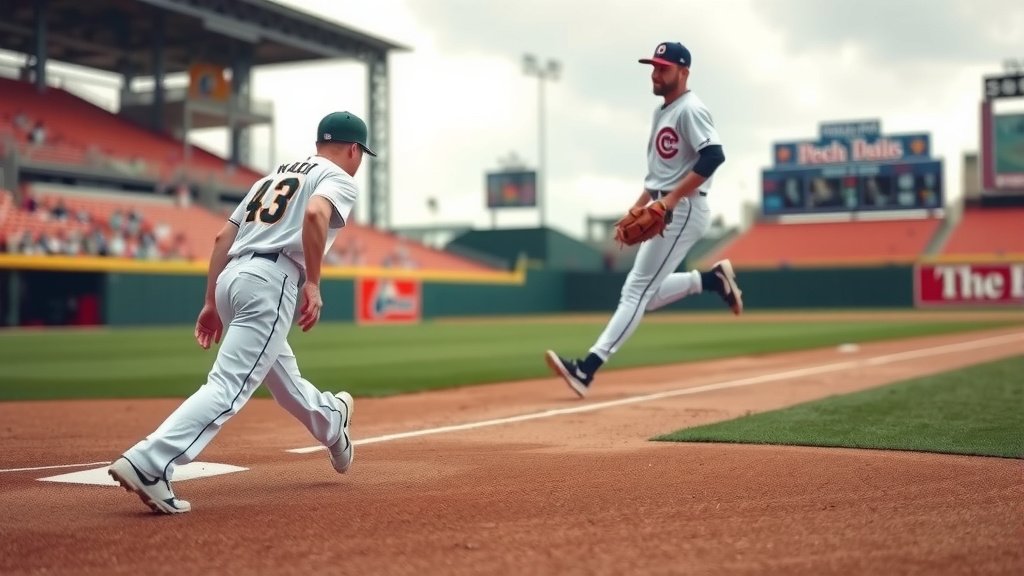
Yes, once a walk is awarded, the batter is entitled to advance to first base. They must do so safely. The umpire will signal the walk, and the batter will jog to the bag.
How do intentional walks differ from regular walks?
An intentional walk is a deliberate strategy where the manager signals the umpire to put the batter on first base. The pitcher throws four pitches far out of the strike zone for this purpose. A regular walk is unintentional, resulting from the pitcher’s difficulty in finding the strike zone.
Can a pitch that hits the batter result in a walk?
No, a pitch that hits the batter does not result in a walk. Instead, the batter is awarded first base due to being “hit by a pitch.” This is a separate way to reach base and does not count towards the four-ball count for a walk.