
What Is a Pop Fly in Baseball? Your Quick Guide
A pop fly is a baseball hit high into the air, usually near the infield. It’s a common play where the ball is caught before it hits the ground for an out. You might see a pop fly when a batter doesn’t hit the ball squarely.
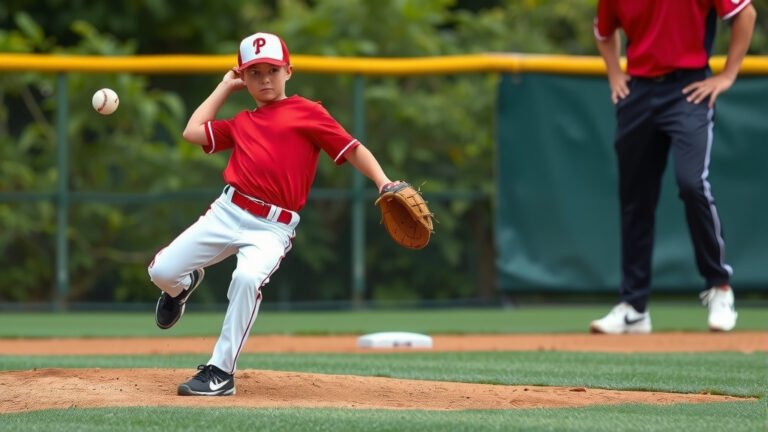
When a batter hits a pop fly, the catcher or an infielder will often position themselves to make the grab. It’s different from a line drive or a ground ball. The trajectory of the ball is key to identifying a pop fly. Getting under it is the main challenge for the fielder.
- A pop fly goes high in the air.
- Infielders usually catch them.
- It results in an out if caught.
- Not the same as a line drive or grounder.
Ready to learn more about this baseball staple? We’ll break down what makes a pop fly and how it’s handled on the field.
Understanding the Pop Fly in Baseball
So, what exactly is a pop fly? It’s a hit ball that goes straight up, high into the air. Think of it like a balloon being released. The batter often doesn’t get good contact with the ball. It’s a moment of suspense for everyone on the field. Will it come down in fair territory? Who will get to it?
Typically, a pop fly happens when a batter swings too early or too late. The bat connects with the ball at an upward angle. This sends the ball on a steep, vertical path. It’s a play that often leads to an easy out for the defense. Most pop flies land within the infield, making them reachable for the catcher, pitcher, or an infielder. A pop fly is different from an infield fly rule, which is called when a fielder can catch a fair fly ball with ordinary effort.
What Makes a Pop Fly Different?
You might be wondering how a pop fly is distinct from other types of hits. It’s all about the ball’s trajectory. Unlike a line drive, which is hit hard and low, or a ground ball, which stays near the ground, a pop fly travels upwards. Imagine throwing a ball straight up; that’s the general idea, though usually with less force.
The key is that the ball ascends significantly. It hangs in the air for a few moments. This gives fielders time to react and get into position. It’s a stark contrast to a screaming line drive that requires lightning-fast reflexes. Or a tricky grounder that can take unexpected hops. A pop fly is generally more predictable in its upward path.
Who Catches the Pop Fly?
When a pop fly occurs, it’s often a race to see who can get under it first. The catcher is usually the closest to home plate and will often try to make the play. However, the pitcher or the first and third basemen can also be in a good position to catch it. Even the second baseman or shortstop might have a chance, especially if the ball drifts towards the middle of the infield.
It’s a coordinated effort. Fielders communicate with each other, calling out “I got it!” or “You take it!” to avoid collisions. The umpire watches closely to ensure the ball is caught cleanly before it hits the ground. If it is, the batter is out. This can be a real confidence booster for the defense.
The Catcher’s Role
The catcher has a unique perspective on a pop fly. They are positioned behind the batter, ready to receive a pitch. If the batter hits a pop fly, the catcher often has a clear line of sight to the ball. They are trained to judge the height and distance of these pop-ups. Sometimes, a catcher might even sprint out a few steps to make the grab.
A well-executed pop fly catch by the catcher can be a momentum changer. It stops potential rallies before they start. It’s a testament to their agility and quick thinking. We’ve seen many spectacular catches made by catchers over the years.
The Infielders’ Challenge
Infielders face a slightly different challenge. They need to track the ball as it ascends and then anticipate where it will descend. This involves judging wind, spin, and air resistance. It’s not as simple as it looks. They might have to move several steps in any direction.
Sometimes, a pop fly can drift into foul territory. In that case, the nearest infielder or even an outfielder will go after it. The key is always to get under the ball and secure the catch. It’s a fundamental skill for any defensive player.
Why Do Pop Flies Happen?
You might wonder what causes a batter to hit a pop fly. It’s usually a result of improper bat-to-ball contact. Let’s break down the common culprits. Understanding these can even help you appreciate the game more.
Timing and Swing Angle
The most common reason is off-timing. If a batter swings too early, the bat might hit the ball on its underside. This sends the ball high. Conversely, swinging too late can also cause the bat to contact the ball upward. It’s like trying to scoop something up with your bat.
The angle of the swing is just as important. A perfectly level swing is often ideal for line drives. But if the bat path is angled too steeply upward, you’re looking at a pop fly. Many batters work on their swing plane to avoid this. They want consistent contact, not just bloopers.
Pitch Type and Location
Certain pitches are more likely to result in pop flies. High pitches, especially fastballs or curveballs that break upwards, can be tricky. If a batter tries to hit a high pitch with an upward swing, they might pop it up. It’s a delicate balance for the hitter.
The location of the pitch also plays a role. A pitch right down the middle but a little high is a prime candidate for a pop fly. Batters have to make quick decisions. Sometimes, they guess wrong about the pitch’s trajectory or their own swing timing.

The Impact of a Pop Fly
A pop fly isn’t just a random event; it has real consequences for the game. It can drastically alter the momentum and outcome of an inning, or even a game.
Ending an Inning or Rally
The most direct impact is ending an at-bat and potentially an inning. If there are runners on base, a pop fly can be particularly frustrating. If a runner on first base is trying to steal second, and a pop fly is hit, they might be easily doubled off.
Conversely, a pop fly caught by the defense can kill a budding rally. If the offensive team has runners on base and is starting to build momentum, a well-timed pop fly catch can shut down their scoring chances. It’s a big defensive play.
Defensive Strategy and Fielding Practice
Coaches often drill their players on handling pop flies. This includes communication, tracking the ball, and making the catch. Understanding how to position yourself based on the batter and the wind is key. Fielders practice this repeatedly.
The type of stadium can also influence pop flies. Windy conditions can carry the ball in unexpected ways. Indoor stadiums, with no wind, might make pop flies more predictable. It’s something that seasoned players learn to account for.
A Checklist for Identifying a Pop Fly:
- Ball goes high in the air.
- Hit within fair territory (usually).
- Often near the infield.
- Fielder can get under it.
- Results in an out if caught.
- Batter likely didn’t make clean contact.
| Hit Type | Trajectory | Typical Outcome | Fielder’s Challenge |
|---|---|---|---|
| Pop Fly | High, vertical arc | Out if caught | Track and catch |
| Line Drive | Hard, low, and fast | Often a hit or out | Quick reaction, difficult catch |
| Ground Ball | Low, stays near ground | Often a hit or out | Anticipate hop, field cleanly |
Conclusion
You’ve learned that a pop fly is more than just a high hit. It’s a specific type of play defined by its upward trajectory, often caused by timing or swing angle issues. Understanding the difference between a pop fly, a line drive, and a ground ball helps you appreciate the game’s nuances. Whether it’s the catcher or an infielder making the grab, a pop fly catch can be a game-changer. The next time you watch a game, pay close attention to how these plays unfold and the skill involved in making the catch. Keep an eye out for those high arcing balls!
Frequently Asked Questions
What’s the difference between a pop fly and a fly ball?
A pop fly is a specific type of fly ball that goes very high into the air, usually within the infield. A general fly ball can travel much further into the outfield. Both are caught before they hit the ground for an out, but the trajectory and landing area are key distinctions.
Can a pop fly happen in foul territory?
Yes, a pop fly can occur in foul territory. If it’s hit into foul territory and caught by a fielder before it hits the ground, the batter is still out. If it lands or is not caught, it’s just a foul ball, and the play continues unless it’s the third strike.
What happens if a pop fly is dropped?
If a fielder drops a pop fly, the batter is not out. They are allowed to continue their at-bat, and any runners on base can advance at their own risk. It’s considered an error by the fielder if they are unable to make a play that should reasonably be made.
How does wind affect a pop fly?
Wind can significantly affect a pop fly. A strong gust of wind can carry the ball further than expected or make it drop suddenly, making it harder for fielders to track and catch. Fielders often have to adjust their positioning based on wind conditions.
Is a pop fly always an out?
A pop fly is only an out if it is legally caught by a fielder before it touches the ground. If the pop fly is not caught and lands in fair territory, the ball is live, and the batter is not out. They would then continue to play the ball as a regular hit.