How a Double Play Works: A Baseball Breakdown
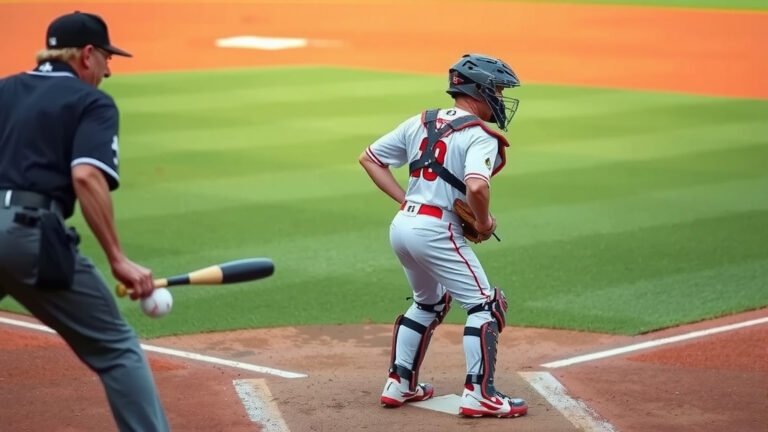
A double play in baseball is a defensive maneuver where a team records two outs on a single batted ball. It’s a quick and efficient way to get runners off the bases and end an inning faster. Successfully executing a double play can be a huge momentum shift for the defensive team.
You’ve probably seen them on TV, those amazing plays where the ball seems to vanish and reappear in three different gloves within seconds. While they look simple when done perfectly, they require a lot of communication and precise timing from the fielders involved. They are a cornerstone of good baseball defense.
- A double play gets two outs on one batted ball.
- It requires quick thinking and teamwork from fielders.
- Common types include a force out and a tag out.
- The 6-4-3 (shortstop to second baseman to first baseman) is a classic.
- Double plays are essential for preventing runs.
Let’s walk through exactly how these impressive feats of athleticism and strategy happen on the baseball field.
“`htmlHow Baseball Teams Execute a Double Play
A double play is a fantastic defensive feat. It’s all about getting two outs from one batted ball. This requires incredible skill and communication between players. Let’s break down how these plays actually happen.
The Anatomy of a Double Play
Think of a double play as a two-step process for the defense. The first out is usually made on a runner forced to advance. The second out often involves tagging a runner or getting another force out. It’s a domino effect of defensive action.
Common Scenarios for Double Plays
Most double plays happen when there are runners on first base, or first and second base. These situations create forced outs. This means a runner *must* move to the next base if the batter becomes a runner.
Runner on First Base
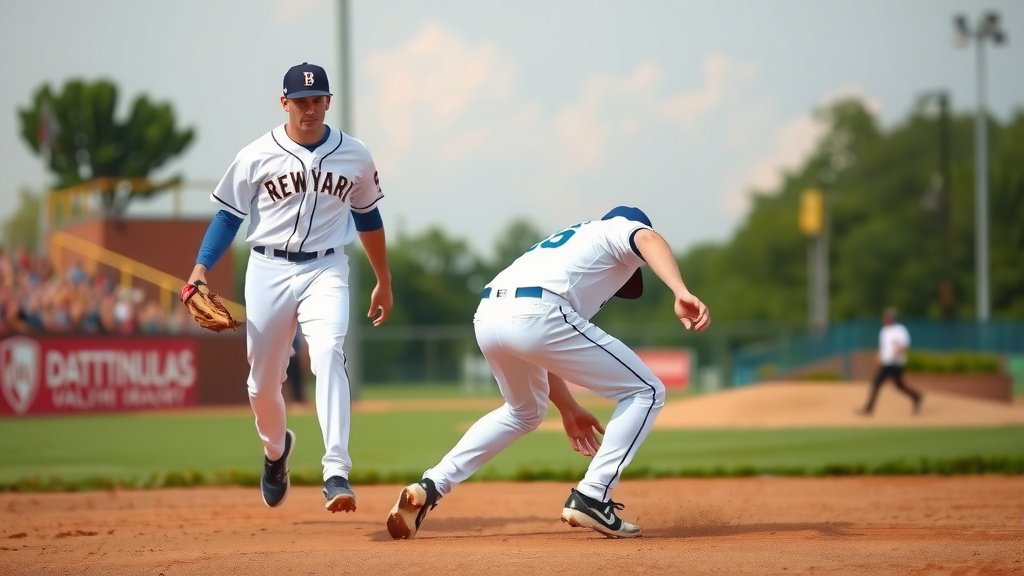
This is the most classic setup. The batter hits a ground ball. The fielder picks it up. They then throw to the second baseman. The second baseman touches second base before the runner from first arrives. That’s the first out. Then, the second baseman throws to first base. The first baseman catches the ball before the batter reaches first. That’s the second out!
Runners on First and Second Base
This is where double plays get really exciting. The same ground ball scenario can occur. The fielder fields the ball. They throw to second base for the force out on the runner from first. Then, the ball goes to first for the force out on the batter. That’s two outs. Sometimes, the second out might be a tag play if the runners try to advance further.
The “Force Out” and “Tag Out” Explained
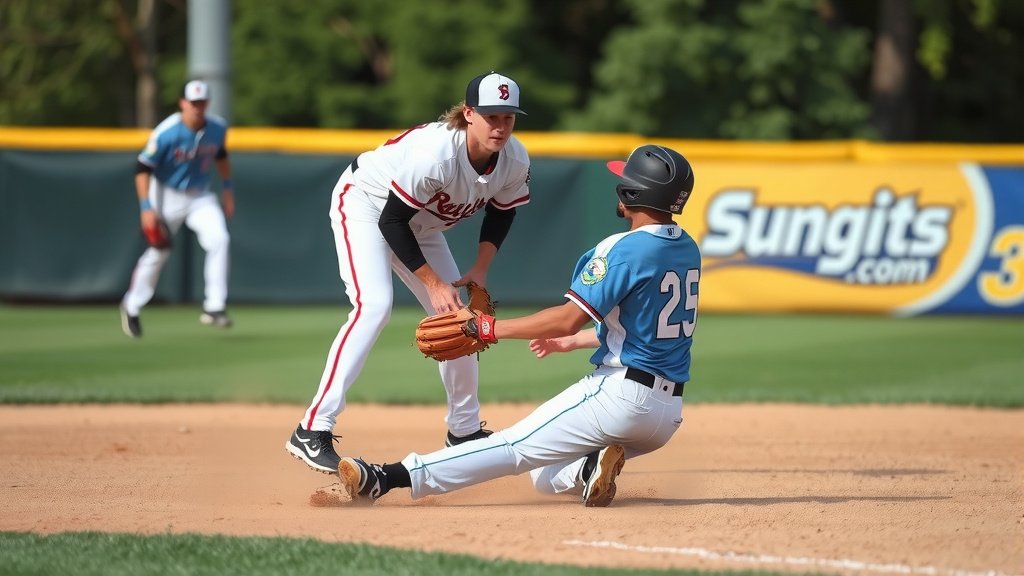
Understanding these two terms is key to understanding double plays. A force out happens when a fielder touches a base. This must happen before a runner who is *forced* to advance reaches that base. A tag out occurs when a fielder touches a runner with the ball or the glove holding the ball. This must happen while the runner is not touching a base.
How They Work Together
Many double plays combine these. The first out might be a force at second base. The second out could be a tag on a runner trying to advance from second to third, or the batter reaching first base for another force out. The type of play depends on where the runners are and how fast they are running.
Famous Double Play Combinations
Baseball has its own language for these plays. You’ll hear numbers called out. These refer to the player positions involved. It’s a quick way for players to communicate. It tells everyone where the ball is going.
The 6-4-3 Double Play
This is perhaps the most famous. The ‘6’ is the shortstop. The ‘4’ is the second baseman. The ‘3’ is the first baseman. The shortstop fields the ball. They throw to the second baseman. The second baseman steps on second base for the first out. Then, they throw to the first baseman for the second out. It’s a beautiful, efficient play.
The 4-6-3 Double Play
This is very similar, but starts with the second baseman. The ‘4’ is the second baseman. The ‘6’ is the shortstop. The ‘3’ is the first baseman. The second baseman fields the ground ball. They throw to the shortstop covering second base. The shortstop makes the first out. Then, they throw to first base for the second out. This often happens on balls hit more towards the right side of the infield.
The 5-4-3 Double Play
Here, the ‘5’ is the third baseman. The ‘4’ is the second baseman. The ‘3’ is the first baseman. The third baseman fields a ground ball. They throw to the second baseman covering second base. The second baseman makes the first out. Then, the second baseman throws to first base for the second out. This is common on balls hit sharply to the third baseman.
| First Fielder | Second Fielder | Third Fielder (or Base) | Common Fielder Positions |
|---|---|---|---|
| Shortstop (6) | Second Baseman (4) | First Baseman (3) | 6-4-3 |
| Second Baseman (4) | Shortstop (6) | First Baseman (3) | 4-6-3 |
| Third Baseman (5) | Second Baseman (4) | First Baseman (3) | 5-4-3 |
| Pitcher (1) | Second Baseman (4) | First Baseman (3) | 1-4-3 |
| Shortstop (6) | Third Baseman (5) | First Baseman (3) | 6-5-3 (less common) |
Other Variations
There are other ways to turn a double play, too. Sometimes, the pitcher or catcher might be involved. For example, a 1-4-3 double play has the pitcher fielding a grounder and throwing to second, then to first. A 3-6-3 play involves the first baseman fielding, throwing to short, and then taking the return throw at first.
The Role of Communication and Timing
Executing a double play isn’t just about athletic ability. It’s heavily reliant on communication. Players need to know who is covering which base. They need to call for the ball. Timing is everything. The throws must be accurate and strong. The footwork on the bases must be quick and precise.
Why Double Plays Matter So Much
A double play can completely change the momentum of a game. Getting two outs quickly can end an inning before the opposing team scores. It can demoralize the offense. For the defense, it’s a huge confidence boost. Many coaches say that strong infield defense, including double plays, is crucial for winning games. Research indicates that teams with higher defensive efficiency often have better win-loss records (Baseball-Reference.com).
Practice Makes Perfect
Players spend countless hours practicing these specific plays. They drill the footwork. They work on their throws. They learn to anticipate where the ball will be hit. They develop an understanding of their teammates’ strengths. This allows them to execute complex plays under pressure.
Checklist for a Successful Double Play:
- Field the batted ball cleanly.
- Make an accurate throw to the correct base for the first out.
- Ensure the correct fielder has possession of the ball before the runner is out.
- Make a quick and strong throw to the next base or player for the second out.
- The fielder receiving the second throw must secure the ball and be in position for the out.
- Communication between fielders is constant and clear.
Conclusion
You’ve seen how double plays are the ultimate defensive statement. They’re a blend of precision, communication, and sheer athleticism. From the classic 6-4-3 to less common variations, these plays can swing game momentum. They require countless hours of practice and perfect timing from your favorite infielders. Understanding how they work makes you appreciate the game even more. Next time you watch a game, look for these amazing feats of coordination. You’ll see the defensive strategy unfold before your eyes. Keep an eye out for them!
Frequently Asked Questions
What are the most common positions involved in a double play?
The most common positions involved in double plays are the middle infielders: the shortstop (6) and the second baseman (4). They often work with the first baseman (3) to get outs. The third baseman (5) also frequently participates, especially on ground balls hit their way.
Can a double play happen with only one runner on base?
Yes, a double play can absolutely happen with only one runner on base. This usually occurs when there’s a runner on first base and the batter hits a ground ball. The defense forces the runner out at second, and then gets the batter out at first.
Is it possible for a pitcher to be part of a double play?
It is possible for a pitcher to be involved in a double play. A common example is the 1-4-3 double play, where the pitcher fields a ground ball, throws to the second baseman for the first out, and then covers first base to receive the throw for the second out.
What is the difference between a force out and a tag out in a double play?
A force out happens when a fielder with the ball touches the base before a runner who is *forced* to advance reaches it. A tag out occurs when a fielder touches a runner with the ball or glove holding the ball, while the runner is not on a base. Double plays often combine these for both outs.
Why are double plays so important for winning games?
Double plays are vital because they get two outs on a single batted ball, quickly ending an inning and preventing runs. This defensive efficiency can dramatically shift a game’s momentum and boost the team’s confidence, directly contributing to a better win-loss record.