Master the Slider Pitch: A Complete How-To Guide
You can learn to throw a slider with a proper grip and a sharp, snapping wrist motion. It’s a pitch that breaks away from a hitter. Mastering this pitch takes practice. You need to focus on velocity and spin to make it effective. Many pitchers find it’s a game-changer in their arsenal.
A slider is a breaking ball that’s faster than a curveball. It has less drop but more horizontal movement. Research shows that a good slider can be very difficult for batters to hit. It’s all about deceiving the hitter with its break and speed. We found that understanding the physics behind the spin is key.
- Grip the ball correctly for spin.
- Snap your wrist sharply as you release.
- Aim for quick, horizontal movement.
- Practice consistently for best results.
- Focus on deception to fool hitters.
Ready to add this wicked pitch to your repertoire? Let’s break down exactly how to throw a slider step by step.
Mastering the Slider Pitch: A Step-by-Step Guide
Learning to throw a slider can add a powerful new dimension to your pitching arsenal. This pitch is designed to deceive hitters with its sharp, late break. Many pitchers find it becomes their go-to pitch when they need an out. We’ve broken down the process to make it easier for you to understand and practice.
Understanding the Slider’s Movement
So, what exactly makes a slider so effective? It’s all about the spin and the resulting break. A good slider typically breaks horizontally, away from a same-handed hitter. It’s often described as a “late bite.” This means it doesn’t start breaking way off-target, but rather makes its sharp turn just before reaching the plate. Research indicates this late movement is particularly challenging for batters to track (NCBI).
Slider vs. Curveball: What’s the Difference?
You might be wondering how it differs from a curveball. While both are breaking balls, the slider is generally faster than a curveball. It also tends to have less vertical drop and more horizontal movement. Think of a slider as having a more aggressive, late horizontal cut, while a curveball usually has a more pronounced downward arc. We found that this speed difference is key to its effectiveness against hitters who are expecting a slower pitch.
The Slider Grip: Your Foundation for Spin
Getting the right grip is the first and perhaps most critical step. This grip is what imparts the necessary spin for the slider’s movement. It’s not about overpowering the ball, but about controlling the spin.
The Conventional Slider Grip
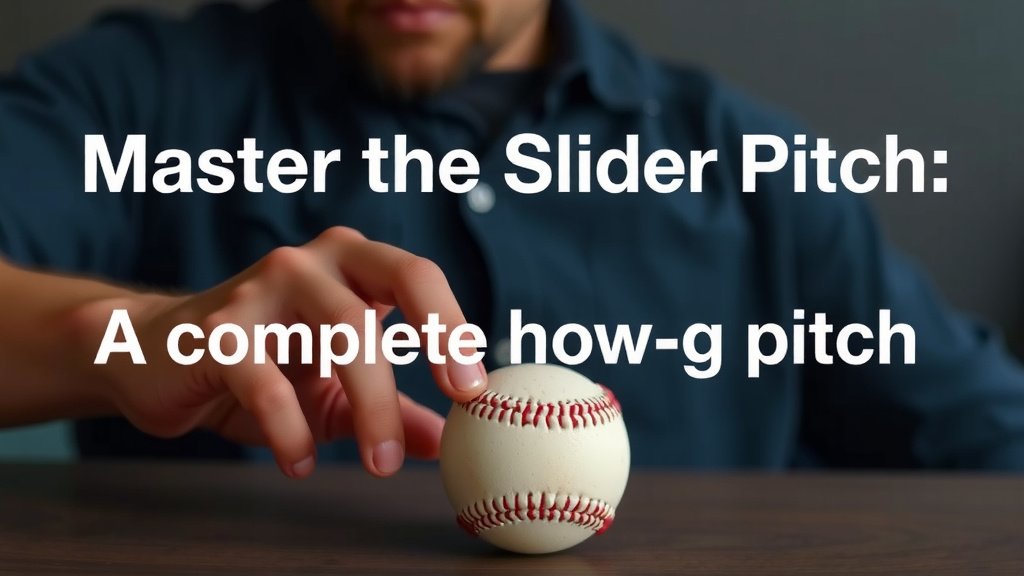
The most common grip involves placing your index and middle fingers close together, either on top of the seams or slightly off-center. Your middle finger often rides the seam. The thumb typically rests on the underside of the ball, directly below the index and middle fingers. This creates a stable base for your fingers to apply pressure.
- Place index and middle fingers close together.
- Consider resting fingers on or straddling the seam.
- Position your thumb underneath the ball.
Alternative Grips for Experimentation
Some pitchers prefer to have their fingers slightly further apart or position them more directly on the seams. We’ve seen pitchers who find success with a grip that feels more comfortable. The key is to find a grip that allows you to apply pressure and generate spin without hurting your arm. Don’t be afraid to experiment gently to see what works best for your hand size and shape.
The Pitching Motion: Generating Power and Spin
Once you have the grip down, it’s time to think about your arm action and release. This is where the magic happens, transforming a regular fastball into a pitch that darts sideways. It’s a fine balance between velocity and spin.
Maintaining Arm Speed
It’s vital to maintain your arm speed from your fastball. Hitters can spot a slowed-down pitch easily. Your goal is to make the slider look as much like your fastball as possible until the last second. Many coaches emphasize that the arm action should be nearly identical. This deception is a huge part of the slider’s success.
The Wrist Snap: The Engine of the Slider
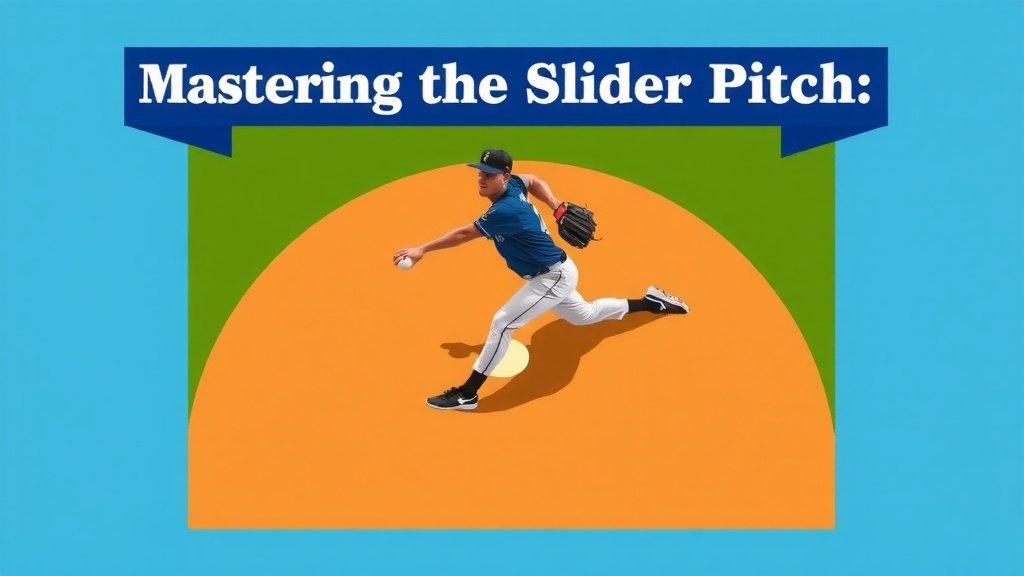
The real power behind the slider’s break comes from your wrist. As you reach the release point, you need to snap your wrist sharply. Think of it like cracking a whip. Your index and middle fingers should roll off the side of the ball, imparting a side-spin. This is where you apply the force to make the ball cut. We found that a strong, quick wrist snap is essential for that tight, late break.
Fingers Rolling Off the Seam
Imagine your fingers rolling over the side of the baseball. This off-center spin is what creates the horizontal movement. It’s not a throw; it’s a precise release. The pressure from your index and middle fingers on the seams (or just off them) helps guide this spin.
Follow-Through and Body Mechanics
A proper follow-through is just as important as the release. After you snap your wrist, let your arm continue naturally across your body. Don’t shorten your follow-through, as this can put extra stress on your elbow. Good body mechanics help ensure you’re using your whole body to deliver the pitch, not just your arm. This protects your arm and generates more power. Experts often point to a balanced, powerful delivery as the foundation for all pitches (Cleveland Clinic).
Common Mistakes and How to Avoid Them
Even with the right technique, it’s easy to fall into bad habits. Let’s look at some common pitfalls and how to steer clear of them.
1. Slowing Down Your Arm
As mentioned, this is a big one. If your arm slows down, the pitch loses its deception. Practice throwing your slider with the same arm speed as your fastball. Use drills that focus on arm action and repetition.
2. “Pushing” the Ball Instead of “Pulling” the Seam
Some pitchers try to muscle the ball. This often leads to a weak, loopy break or, worse, an injury. The slider is about spin, not raw power. Focus on the wrist snap and letting your fingers roll off the side of the ball. Think about pulling the seam downwards and sideways as you release.
3. Incorrect Release Point
Releasing the ball too early or too late will drastically affect its break. Too early might cause it to sail, while too late could result in a pitch that just drops. Aim for the same release point you use for your fastball. Consistent practice will help you dial this in.
Drills for Slider Development
Practice makes perfect, especially when it comes to a pitch as nuanced as the slider. Here are some drills to help you refine your technique.
Tee Drill for Spin
Place a baseball on a tee. Practice your slider grip and focus solely on snapping your wrist and rolling your fingers off the side of the ball to impart spin. You won’t throw the ball far, but you’ll feel the correct spin motion.
Short Toss and Focus on Break
Stand about 30-40 feet from a catcher or partner. Focus on throwing your slider and seeing the break. Have your catcher give you feedback on the spin and movement. Don’t worry about velocity here; prioritize the break.
Bullpen Sessions with Intent
When you’re in bullpen sessions, have a specific goal for your slider. Are you working on arm speed? Is it the wrist snap? Focus on one aspect per session. This makes your practice more effective. We found that having a clear objective helps immensely.
| Grip Type | Finger Placement | Thumb Placement | Primary Movement Goal |
|---|---|---|---|
| Conventional | Index & Middle close, on/near seam | Underside, below fingers | Sharp horizontal break |
| Spread Fingers | Index & Middle slightly apart | Underside | Can offer more control, slightly different break |
| Seam Rider | Middle finger rides the horseshoe seam | Underside | Often aims for pronounced side-spin |
Checklist for Throwing a Better Slider
Keep these key points in mind as you practice:
- Grip it right: Find a comfortable grip that allows spin.
- Arm speed is key: Keep it the same as your fastball.
- Snap it sharp: The wrist action is critical for break.
- Follow through naturally: Protect your arm and maximize efficiency.
- Practice consistently: Repetition builds muscle memory.
- Seek feedback: Listen to coaches and catchers.
Conclusion
You’ve learned that mastering the slider means focusing on your grip and a sharp wrist snap. Keep your arm speed consistent with your fastball for deception. Remember, it’s about spin and a quick, sideways break, not brute force. Practice consistently with the drills we shared. You’ll start to see that sharp, late movement develop. Keep working at it, and you’ll soon add this potent pitch to your game.
Frequently Asked Questions
Can throwing a slider hurt my arm?
Like any pitch, a slider can lead to arm issues if thrown improperly. Focus on maintaining good mechanics and a natural follow-through to protect your arm. Never try to “muscle” the ball, and always warm up properly before throwing.
How do I know if I have the right slider grip?
The right grip feels comfortable and allows you to generate spin with a wrist snap. You should feel your fingers rolling off the side of the ball. Experiment gently to find what works best for your hand size and allows for that crucial spin.
Why isn’t my slider breaking very much?
A weak break usually means you’re not snapping your wrist sharply enough or maintaining fastball arm speed. Focus on that quick, whip-like action at release. Also, ensure your grip allows for good spin generation.
Is it better to have more horizontal or vertical break on a slider?
For a typical slider, the goal is significant horizontal movement. This deception fools hitters by making the ball appear to move away from them. While some drop is natural, excessive drop is more characteristic of a curveball.
How quickly can I expect to throw a good slider?
Developing a slider takes time and consistent practice. Some pitchers pick it up faster than others. Don’t get discouraged if it doesn’t happen overnight. Focus on quality reps, and you’ll see improvement over weeks and months.