Wood Bats in Little League: Rules & Regulations
Yes, you can use a wood bat in Little League, but with a few important caveats to keep your player safe and the game fair. Little League Baseball has specific regulations regarding bat diameter and material. Generally, wood bats are permitted if they meet these standards, but checking the official Little League rulebook is always recommended before a game.
When choosing a bat, even a wood one, understanding the latest bat standards is key for safety and eligibility. While metal bats often get the spotlight, wood bats offer a different feel and performance characteristic that many players enjoy. Making sure your chosen bat is Little League-approved is the most critical step for any young player.
- Wood bats are allowed in Little League.
- They must meet specific Little League regulations.
- Always check the official rulebook for current standards.
- Diameter and material are key factors.
Let’s dive into the specifics of wood bats in Little League, covering what you need to know to make the right choice for your young slugger.
Wood Bats in Little League: What You Need to Know
Wondering if your young slugger can step up to the plate with a wood bat in Little League? The answer is a resounding yes, but with some important details to keep in mind. Little League Baseball has specific rules about the bats players can use, and wood bats are generally permitted as long as they meet these criteria. We’ve researched the regulations to help you navigate this. It’s all about making sure the bat is safe and performs fairly within the game’s guidelines.
Understanding Little League Bat Regulations
Little League wants to ensure a safe and fair playing field for everyone. This means there are specific standards all bats must meet. These rules apply to all types of bats, including wood. Think of them as the guardians of good sportsmanship and player safety. When you’re picking out a bat for your child, knowing these general guidelines is your first step.
Material Matters: Wood Versus Other Options
You might be used to seeing players swing aluminum or composite bats. These are very common in youth baseball. However, wood bats have a long history in the sport for a reason. They offer a different feel and sound when you connect with the ball. The main thing is that the material itself is permitted by Little League. So, a solid piece of wood or a multi-piece wood bat is typically fine, provided it follows the dimensions.
Size and Specifications: The Devil is in the Details
This is where you need to pay close attention. Little League has strict rules about the diameter of the bat barrel and its length. For most Little League divisions (like Minor and Major), the barrel diameter cannot exceed 2 1/4 inches. Many wood bats adhere to this standard. The bat’s length also plays a role in how well a player can handle it. You’ll want to find a bat that’s proportional to your child’s size and strength.
Barrel Diameter Rules
The official Little League rulebook states that the barrel diameter of a bat cannot be more than 2 1/4 inches. This is a critical measurement. It helps to regulate how much of the ball is contacted by the bat. We found that this limit is consistent across most youth baseball organizations for safety and consistency.
Length and Weight Considerations
There isn’t always a strict maximum length or weight for wood bats, but practical considerations are key. A bat that is too long or too heavy will be difficult for a young player to swing properly. This can affect their swing mechanics and even lead to injuries. Choosing a bat that your child can swing with control and confidence is far more important than picking the longest or heaviest option. It’s a balance that every parent and coach helps a player find.
Bat Certification and Approval
This is perhaps the most important aspect when selecting any bat for Little League play. While wood bats are generally allowed, they might need to meet specific certifications, depending on the league’s specific rules and the year. Little League uses a bat certification system to ensure compliance with safety standards. You’ll often see a specific mark or sticker on approved bats. For wood bats, the emphasis is usually on ensuring the material is safe and the dimensions are correct. Always check the current Little League Baseball rules for the most up-to-date information on approved models and certifications. We found that some leagues might have additional local rules, so double-checking with your specific league is always wise.
The Pros and Cons of Using Wood Bats in Little League
Why might you consider a wood bat over a more common metal bat for your young player? There are distinct advantages and some drawbacks to think about. It’s like choosing between a comfy old pair of jeans and a brand-new, high-tech running shoe – both have their place.
Benefits of Swinging Wood
- Develops Better Swing Mechanics: Wood bats have a smaller sweet spot than many metal bats. This means players have to be more precise with their swing. It can help them develop better timing and hand-eye coordination. Many coaches believe this discipline translates to more consistent hitting over time.
- Teaches Bat Control: Because wood bats offer less forgiveness on off-center hits, players learn to truly master their swing. They get immediate feedback when they don’t hit the ball squarely. This feedback loop is excellent for learning.
- Authentic Baseball Feel: There’s a classic sound and feel when you hit a ball with a wood bat that many players and fans love. It’s the traditional baseball experience.
- Potentially Lighter Swing Weight: Some wood bats can be manufactured to have a lighter feel, even if they are the same length as a metal bat. This can be beneficial for younger players who are still building strength.
Challenges with Wood Bats
- Smaller Sweet Spot: As mentioned, this is a double-edged sword. While it helps develop skill, it can also lead to more weak hits and strikeouts for players who are still learning.
- Durability: Wood bats can break. Unlike metal bats that might dent or crack, a wood bat can splinter or snap on a particularly hard swing or if it hits the ground too hard. This means you might need to replace them more often.
- Cost: While some basic wood bats are affordable, high-quality wood bats can sometimes be more expensive than comparable metal bats, especially if they break frequently.
- Performance Differences: Metal bats often have a larger sweet spot and can provide a bit more “pop” off the bat due to their trampoline effect. Wood bats generally offer more consistent performance across the entire barrel.
Choosing the Right Wood Bat for Your Little Leaguer
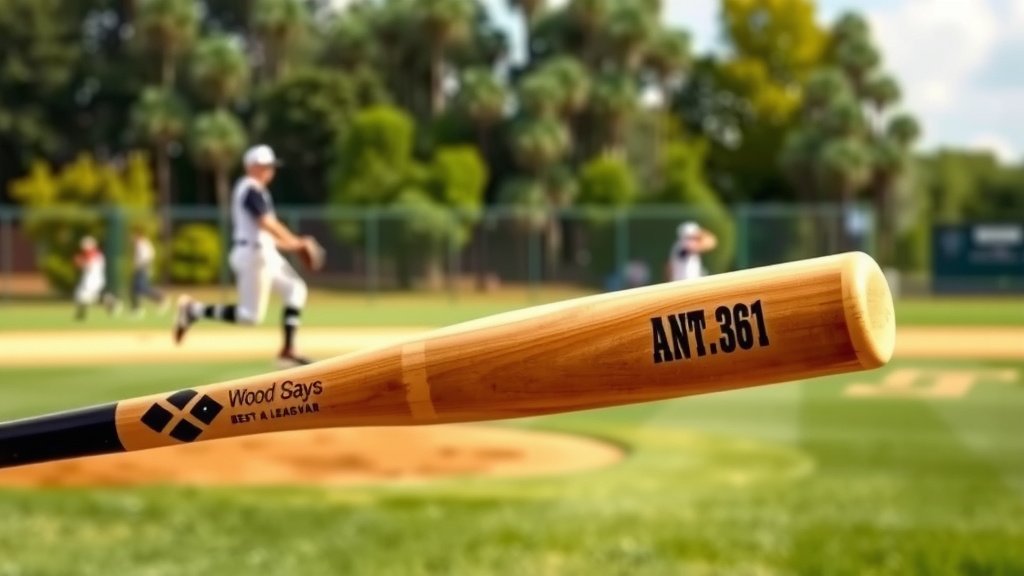
So, you’ve decided a wood bat might be the right fit. Great! Now, let’s talk about how to pick the perfect one. This process is similar to choosing any other piece of sports equipment: focus on fit, function, and compliance.
Key Factors in Selection
When you’re in the store or browsing online, look for these specific things. It’s not just about the brand name. You’re looking for a bat that will help your child succeed and stay safe.
Size and Drop Weight
The “drop weight” of a bat is the difference between its length and its weight. For example, a 30-inch bat that weighs 20 ounces has a drop weight of -10. Most youth bats have a drop weight between -10 and -13. For wood bats, you’ll want a drop weight that allows your player to swing the bat with maximum bat speed. A common recommendation for younger players is a drop of -10 or -11. Always consider your player’s individual strength.
Bat Length
Here’s a simple test: have your child stand the bat next to their leg. The end of the bat should reach up to their hip bone. If it’s too high or too low, the length is likely incorrect. You can also have them hold the bat at their side with the handle in their palm. If they can comfortably wrap their fingers around the handle and their arm stays relatively straight, the length might be right.
Where to Find Approved Bats
You can find wood bats at most sporting goods stores. Major retailers often carry a good selection. Online marketplaces are also an option. However, when buying online, always double-check the product description for material and dimensions. If a bat is specifically marketed for Little League, it’s more likely to meet the standards. We found that some specialty baseball equipment retailers offer detailed guidance on selecting youth bats.
Checking the Rulebook is Essential
We can’t stress this enough: always refer to the official Little League Baseball rulebook for the current season. Rules can change, and what was allowed last year might have an update. You can usually find the rulebook on the Little League website. This is your ultimate guide to bat compliance. It ensures you’re not caught off guard at the field.
Checklist: Is Your Wood Bat Little League Ready?
Before you head to the diamond, run through this quick checklist to ensure your wood bat is good to go:
- Is the bat made primarily of wood?
- Does the barrel diameter measure 2 1/4 inches or less?
- Is the bat length appropriate for your child’s size?
- Does the bat show any damage (cracks, splinters)?
- Does it have any required Little League certification marks (if applicable to your league/division)?
- Have you checked the latest Little League rules for any updates?
Conclusion
You absolutely can use a wood bat in Little League, but it’s not a simple “yes.” We’ve seen that ensuring your wood bat meets Little League’s barrel diameter and material rules is key. Remember, developing a player’s swing mechanics and control is a huge benefit of wood. While durability and a smaller sweet spot are things to consider, the classic feel is a big plus. Your next step is to check the official Little League rulebook for the most current regulations and then find a bat that fits your young player well.
Frequently Asked Questions
Are all wood bats allowed in Little League?
Not all wood bats are automatically permitted. They must still comply with Little League’s specific rules regarding barrel diameter (typically 2 1/4 inches) and general material standards. Always verify the bat against the current rulebook to ensure it’s eligible for play.
What’s the biggest advantage of using a wood bat for a young player?
A major advantage is how wood bats help develop better swing mechanics and bat control. Their smaller sweet spot requires more precise hitting, teaching players to make solid contact and improve their timing and hand-eye coordination.
How do I know if a wood bat’s length is right for my child?
You can test the length by having your child stand the bat next to their leg; the end should reach their hip bone. Another method is to have them hold the bat by the handle at their side; their fingers should comfortably wrap around it with their arm mostly straight.
Can a cracked wood bat still be used in Little League?
No, a cracked wood bat should never be used. Little League rules prioritize safety, and a damaged bat is more likely to break dangerously. Always inspect your bat for cracks or splinters before every game and practice.
Where can I find a list of approved wood bats for Little League?
Little League generally permits wood bats as long as they meet size specifications. While there might not be a single list of every approved wood model, your best bet is to consult the official Little League Baseball rulebook for dimension requirements and check the bat for any required certification marks.