Baseball Glove Webbing Explained: How It Works
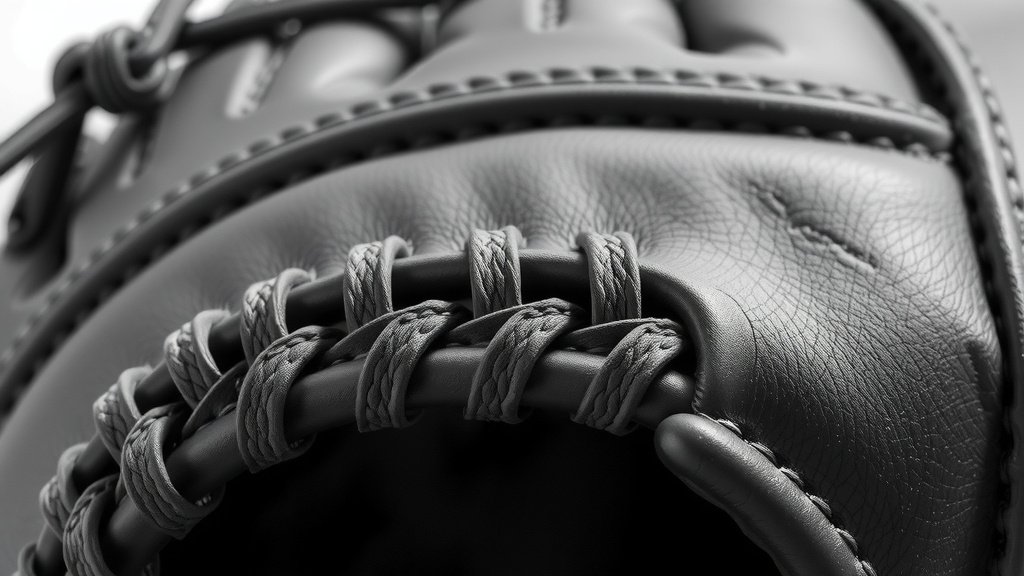
Baseball glove webbing is the network of leather that forms the pocket of your glove. It’s where the magic happens, catching fly balls and grounders. Think of it as your glove’s personal catcher’s mitt, designed to secure the ball.
This webbing isn’t just for show; it plays a huge role in your glove’s performance and feel. The type of webbing can affect how deep your pocket is and how easily you can close your glove. Many players spend a lot of time thinking about their webbing.
TL;DR:
- Glove webbing is the leather network in the pocket.
- It’s essential for catching and securing the ball.
- Webbing design impacts glove feel and function.
- Different styles offer different benefits for players.
Let’s take a closer look at what makes up your baseball glove’s webbing.
Understanding Your Baseball Glove’s Webbing
So, you’ve got your baseball glove, ready for action. But have you ever stopped to really look at the webbing? It’s more than just a bunch of leather straps. This is the part of your glove that directly interacts with the ball. It’s the heart of the pocket. The webbing helps you catch fly balls and snag grounders. It plays a big role in how your glove performs. Let’s break down what it is and why it matters so much to your game.
The Anatomy of Glove Webbing
Think of the webbing as the “net” in your glove’s pocket. It connects the thumb and index finger (or index and middle finger). This creates a catching surface. The way these leather strips are woven together changes the glove’s feel. It also affects how well it can secure a ball. Different webbing patterns offer different advantages. It’s a key design element.
Different Webbing Styles for Different Needs
Glove manufacturers offer many different webbing styles. These are not just for looks. Each style is designed to help players in specific ways. The choice of webbing can seriously impact your fielding. It affects everything from how deep your pocket is to how easily you can snap your glove shut. Many players spend a lot of time thinking about this. They want the webbing that best suits their position and playing style.
The Trapeze Web
The trapeze web is a popular choice. You’ll often see it on outfield gloves. It has no stitching in the pocket itself. Instead, the leather strips run vertically. This creates a very deep pocket. A deep pocket is great for outfielders. It helps secure hard-hit balls. It also makes it harder for the ball to pop out. You’ll find this style on many professional outfielders’ gloves.
The I-Web
The I-web is another very common style. It’s a favorite for infielders, especially second basemen and shortstops. The webbing forms a sort of “I” shape. It has a single strip of leather running down the middle. This creates a shallower pocket. A shallow pocket is ideal for infielders. It allows for quicker transfers of the ball. You can get the ball out of your glove faster to make a play. Many middle infielders prefer the quickness the I-web offers.
The H-Web
The H-web is also a favorite for infielders. It looks like the letter “H” in the pocket. It has two vertical strips connected by a horizontal one. This style offers a good balance. It provides a nice, relatively shallow pocket. This allows for quick transfers. It also offers good support for the ball. Some players find it gives them a more stable feel than the I-web. It’s often seen on gloves for third basemen and some first basemen.
The Basket Web
The basket web looks like a woven basket. It’s made of interlocking strips. This style is most often used for softball gloves. It creates a very closed pocket. This is great for players who want to hide the ball. It makes it harder for the batter to see where the ball is. It also offers good security. For baseball, you might see it on some catcher’s mitts or first base mitts.
The Closed Web
A closed web is essentially a solid piece of leather. It’s used for pitchers. The solid webbing helps pitchers hide the ball from the batter. It makes it very difficult for the hitter to see the grip on the ball. This is a key advantage for pitchers trying to throw off the batter’s timing. It’s a very specific design for a specific purpose.
How Webbing Affects Glove Performance
The type of webbing you choose directly impacts how your glove feels and functions. We found that this is a critical factor for many players. A deeper pocket, like with a trapeze web, is great for securing the ball. This is especially true for balls hit hard. However, it can sometimes slow down your ball transfer. A shallower pocket, like with an I-web or H-web, makes quick transfers easier. This is essential for infielders who need to get the ball out fast.
We looked at how different webbing types impact ease of closing the glove. Generally, simpler webbing patterns are easier to close. For example, the I-web and H-web often allow for a quicker snap shut. This is because there are fewer strips to manipulate. Deeper webs with more intricate patterns might require a bit more effort to close completely. This is a trade-off many players consider. They weigh the need for a secure pocket against the desire for a glove that closes easily.
Webbing Material and Durability
Most baseball glove webbing is made from high-quality leather. The type of leather matters for both feel and durability. Top-grain leather is common. It’s strong and flexible. Some gloves use steerhide, which is known for its toughness. Others might use kip leather, which is softer and lighter. The quality of the leather directly impacts how long your webbing will last.
We found that the stitching holding the webbing together is also important. Strong, consistent stitching prevents the webbing from coming apart. Over time, the constant impact of the ball can stress the webbing and stitching. Good craftsmanship means the webbing will hold up longer. This is something to consider when choosing a glove.
Maintaining Your Glove’s Webbing
Proper care is essential for your glove’s webbing. You want to keep the leather conditioned. This prevents it from drying out and cracking. Using a glove conditioner regularly will help maintain its flexibility. It also helps protect the leather. We found that avoiding over-conditioning is important too. Too much can make the leather too soft. It might even make the pocket too deep or floppy.
Another tip is to avoid over-stuffing your glove when storing it. Some people use a baseball or a ball glove “shaper.” This can help maintain the pocket’s form. However, if the object is too large or left in for too long, it can stretch the webbing unnaturally. This could affect how easily you can close the glove. It might even damage the leather over time. A balanced approach to shaping is key.
When to Consider Re-Webbing
Even with the best care, webbing can wear out. If you notice tears in the leather or broken stitching, it might be time for a repair. Some glove repair shops offer re-webbing services. They can replace the old webbing with new leather. This can give your favorite glove a new lease on life. It’s often much cheaper than buying a brand-new glove. We found that many players opt for re-webbing to keep using a glove that’s perfectly broken in.
Here’s a quick checklist to see if your webbing might need attention:
- Are there visible tears or holes in the leather strips?
- Is the stitching coming undone in any areas?
- Does the pocket feel excessively loose or stretched out?
- Is the glove becoming harder to close than it used to be?
- Does the ball frequently pop out of the pocket?
If you answered “yes” to any of these, it might be time to look into re-webbing your glove. It’s a way to keep your trusted glove performing at its best.
Conclusion
You’ve learned that your baseball glove’s webbing is more than just leather. It’s a carefully designed system that directly impacts how you field the ball. From the deep pocket of a trapeze web for outfielders to the quick-transfer design of an I-web for infielders, the right webbing can make a big difference. We found that understanding these differences helps you choose the best glove for your game. Now you know how to care for your webbing and when it might be time for a refresh. Take a closer look at your glove’s webbing and see how it helps you make plays!
Frequently Asked Questions
What’s the main difference between an I-web and an H-web?
An I-web has a single strip of leather down the middle, creating a shallower pocket ideal for fast infield transfers. An H-web has two vertical strips connected by a horizontal one, offering a balanced pocket that’s also good for quick transfers and provides a bit more support.
Can softball webbing be used for baseball gloves?
While some styles overlap, like the basket web, softball gloves often feature more closed or basket-style webbing. This is to help players hide the ball from the batter. Baseball gloves, especially for pitchers, may use closed webs for a similar reason, but infield and outfield gloves generally favor more open designs.
How does the webbing affect how easily I can close my glove?
Simpler webbing patterns with fewer strips, like the I-web or H-web, generally make it easier to close your glove quickly. More complex or deeper webbing styles, like the trapeze web, might require a bit more effort to snap shut completely because there are more leather pieces to manipulate.
Is it worth re-webbing an old glove?
Yes, re-webbing can be very worthwhile! If your glove is already broken in and comfortable, replacing worn-out webbing can give it a new life. We found it’s often a more affordable option than buying a brand-new glove and lets you keep using a glove you love.
How often should I condition my glove’s webbing?
You should condition your glove’s webbing regularly, perhaps every few months depending on how often you use it and the climate. This keeps the leather from drying out, cracking, and becoming brittle. Just be careful not to over-condition, as that can make the leather too soft.