Understanding the Baseball: What It Is and How It’s Used
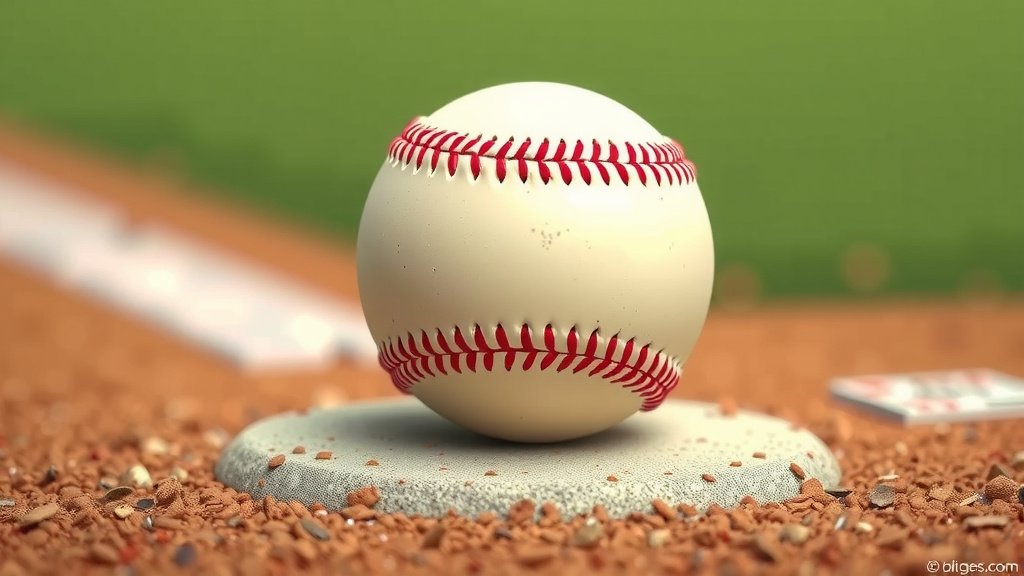
A baseball is a hard, spherical object used in the sport of baseball. It’s approximately 3 inches in diameter and is made of a cork or rubber core, wound tightly with yarn, and covered in leather. This design gives it the specific weight and feel needed for pitching and hitting.
When a pitcher throws the ball, it travels at high speeds towards the batter. The batter’s goal is to hit it with a bat, sending it into the field of play. The condition and type of baseball can even affect how it flies and how the game is played.
- A baseball is a hard, spherical object.
- It has a cork or rubber center.
- Yarn is wound around the core.
- It’s covered with two pieces of leather.
- Its size and weight are standardized.
Now that you know the basics, let’s break down exactly what makes a baseball, well, a baseball.
The Humble Baseball: More Than Just a Ball
You’re probably wondering what makes a baseball so special. It might seem like a simple object, but its design is quite specific. This helps ensure fair play and consistent performance on the field. Let’s break down the anatomy of a baseball.
Construction: How a Baseball is Made
The construction of a baseball is a careful process. It’s not just about stuffing some stuff into a cover. Every layer plays a role in how the ball behaves.
The Core: The Heart of the Ball
At the very center of a baseball is its core. This is usually made of either cork or rubber. Sometimes, it’s a blend of both. The core provides the initial mass and bounciness of the ball.
Winding: Adding Stability and Weight
Next comes the winding. Many layers of yarn are tightly wrapped around the core. Different types of yarn are used. This winding gives the ball its proper weight and density. It also helps it keep its shape under pressure.
Researchers have found that the specific tension and amount of yarn winding directly impact the ball’s aerodynamics. This means how it cuts through the air when thrown or hit.
The Cover: Protection and Grip
Finally, the ball is covered with leather. Typically, two pieces of leather are used. They are cut into a figure-eight shape. These pieces are then stitched together by hand. This process is quite labor-intensive. The stitching creates the iconic raised seams you see on a baseball.
The leather cover protects the inner windings. It also provides a surface for pitchers to grip. This grip is essential for controlling the ball’s movement.
Baseball Specifications: The Rules of the Game
Baseball has strict rules about its equipment. This ensures that all games are played under the same conditions. The governing bodies set precise standards for baseballs.
Size and Weight: Standard Measurements
A regulation baseball has very specific dimensions. Its circumference must be between 9 and 9.25 inches. This is roughly 2.86 to 2.94 inches in diameter. The weight needs to be between 5 and 5.25 ounces.
These measurements are important for consistency. Imagine if every ball was a slightly different size or weight! It would make hitting and pitching incredibly unpredictable.
The Seams: More Than Just Pretty Lines
The raised seams are a critical part of a baseball. Pitchers use these seams to grip the ball. They can impart different kinds of spin and movement. This is how a curveball or slider is thrown.
Research indicates that the height and pattern of the seams affect drag. This drag influences the ball’s trajectory as it travels through the air. So, those little stitches are actually quite significant.
Material Standards: What’s Inside Matters
The rules also specify the materials used. The core must be cork or a rubber compound. The yarn winding can include wool and cotton. The cover must be genuine leather. These materials contribute to the ball’s durability and feel.
Major League Baseball (MLB) has its own specific requirements for the baseballs used in their games. These are often manufactured by a single supplier to guarantee uniformity.
Types of Baseball Balls: Different Balls for Different Needs
While we often think of “a baseball,” there are actually a few variations. These are used for different levels of play or practice.
Official Game Balls
These are the balls used in professional and higher-level amateur games. They meet all the official specifications. They are made with high-quality materials for optimal performance. They are also the most expensive.
Practice Balls
Practice balls are designed for repetition. They might be slightly less expensive. Some may have a slightly different construction to be more durable for batting practice. You might use these for hitting drills or pitching practice.
Youth League Balls
Balls for younger players are often slightly smaller and lighter. This makes them easier for children to handle and hit. This adjustment helps them develop their skills safely.
The Condition of a Baseball: How It Affects the Game
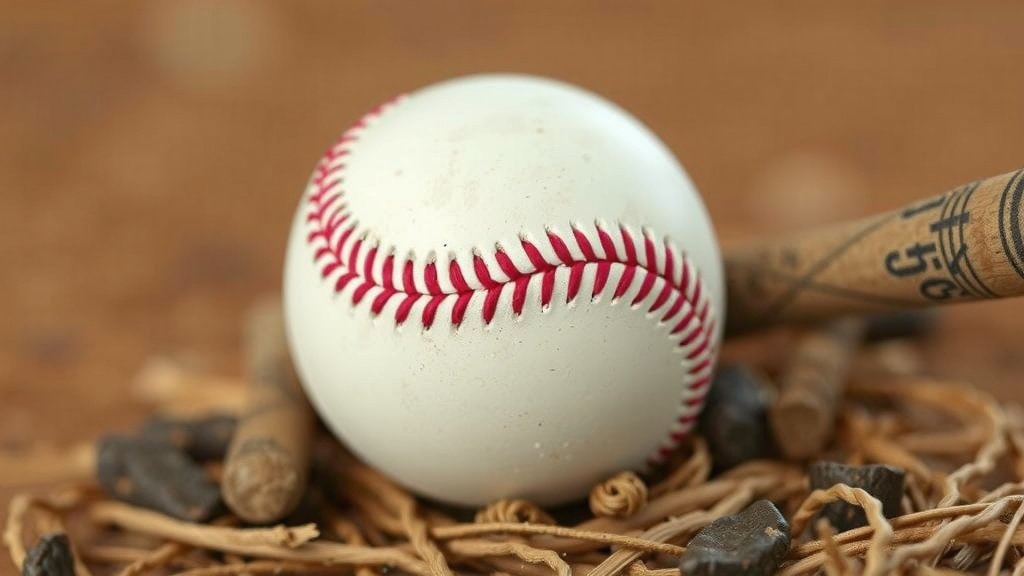
A baseball doesn’t stay pristine for long. Its condition can change dramatically during a game. This change can even influence how the game is played.
“Game Ready” Balls
New balls are very slick and hard. Pitchers often “work on” them before a game. This can involve rubbing them with dirt or a specific type of mud. This process removes some of the slickness. It provides a better grip. It also makes the seams stand out more.
Worn Balls
As a game progresses, balls get scuffed, scuffed, and even slightly misshapen. A ball that is more worn might fly differently. It might be easier to hit. Some pitchers might even prefer a slightly scuffed ball for certain pitches.
The “Mudding” Process
You might see umpires or players rubbing dirt on baseballs. This isn’t just for fun! They use a special type of clay-based mud. It’s found near the Delaware River. This process is called “mudding.” It helps remove the factory shine. It gives pitchers a better feel for the ball.
Many players and coaches say that this step is essential for pitchers to throw effectively. Without it, the ball might just slip out of their hand unexpectedly.
Quick Checklist: What You’ve Learned About Baseball Balls
- A baseball has a core, yarn windings, and a leather cover.
- Its size and weight are strictly regulated.
- The raised seams are important for grip and control.
- Different types of balls exist for various levels of play.
- The condition of a ball can affect its flight and how it’s thrown.
Conclusion
You now understand that a baseball is far more than just a round object. You’ve learned how its core, yarn windings, and leather cover create its unique feel and performance. You also know that strict regulations on size, weight, and materials ensure fair play across the game. Even the wear and tear on a ball can influence how it flies and how pitchers grip it. Next time you watch a game, you’ll appreciate the thought and craftsmanship behind every pitch and hit. Keep this knowledge in mind as you enjoy more baseball!
Frequently Asked Questions
Why are baseballs red-stitched?
The red stitching you see on a baseball isn’t just for looks. These raised seams are essential for pitchers. They provide a better grip, allowing pitchers to impart spin and control the ball’s movement. Research shows these seams also affect the ball’s aerodynamics.
How do pitchers make a baseball grip better?
Pitchers often “mud” new baseballs before a game. This involves rubbing them with a special clay-based mud. This process removes the factory’s slick coating. It makes the leather rougher and the seams more prominent, giving pitchers a secure hold.
Can the scuff marks on a baseball affect how it’s hit?
Yes, they can. A scuffed or worn baseball might fly differently through the air than a new one. Some batters might find scuffed balls easier to hit because they don’t have the same slickness or unpredictable movement. Pitchers might even prefer a slightly scuffed ball for certain pitches.
Are all baseballs made the same way?
While the basic construction is similar, there are differences. Official game balls used in professional leagues meet strict standards. Practice balls might be more durable but less refined, and youth league balls are often smaller and lighter for younger players.
What happens if a baseball breaks during a game?
If a baseball breaks or becomes severely damaged during play, the umpires will typically replace it. A damaged ball can be unpredictable and unfair to both the pitcher and the batter. A new ball will then be brought into play.