What Is a Setup Man in Baseball? Explained
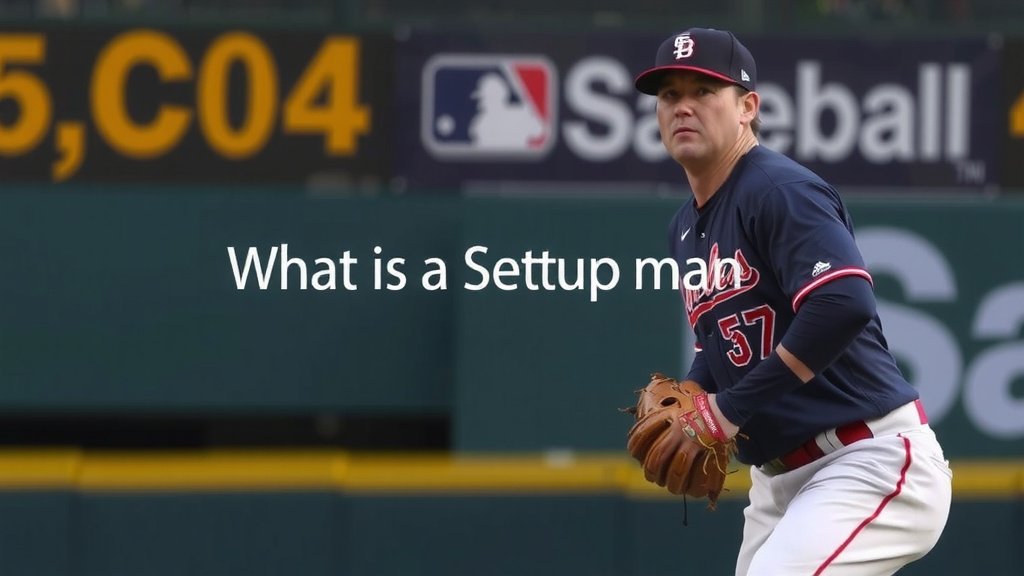
A setup man in baseball is a relief pitcher who comes into the game before the closer. They typically pitch the eighth inning. Their main job is to protect a lead. They set up the closer for the save opportunity. It’s a really important role on a championship team. They set up the closer for the save opportunity, a role detailed in our guide to what is a save in baseball.
Think of them as the bridge between the starting pitcher and the final out. A good setup man means your bullpen is strong. They often face tough hitters. Success here means you don’t lose a close game. Many relievers can be setup pitchers. It depends on their effectiveness and team needs.
- A setup man pitches the inning before the closer.
- Their goal is to protect a lead.
- They often face the opponent’s best hitters.
- A strong setup pitcher makes the bullpen more effective.
- It’s a key role for winning teams.
Let’s dig into what makes a great setup man. We’ll look at how they differ from closers and why they’re so vital to a team’s success.
You’ve got the basics of a setup man down. But what exactly does that mean for a baseball team? And what makes someone *good* at this specific job? It’s more than just throwing heat in the eighth inning. It’s about strategy, mental toughness, and fitting into a larger bullpen puzzle.
Understanding the Setup Pitcher’s Role
A setup man is essentially the bridge to your closer. Think of them as the high-leverage reliever who pitches before the guy who shuts the door.
The Eighth-Inning Specialist
Most often, you’ll see the setup man enter the game in the eighth inning. Their main goal is to hold a lead, usually a slim one. They are expected to get the ball to the ninth inning for the closer. This is often where the game is decided.
Facing the Heart of the Order
Setup pitchers frequently face the opponent’s strongest hitters. These are the players batting in the middle of the lineup, the ones most likely to do damage. It’s a tough assignment. They need to perform under pressure. Failing here means the closer might not get a save opportunity.
Why Not Just Use the Closer Longer?
Teams have a specific closer for a reason. Their job is to pitch the ninth inning, the final out. This is often called the “save situation.” Using a closer in the eighth might mean they aren’t available or aren’t rested enough for the ninth. It also disrupts their routine.
What Makes a Great Setup Man?
It takes a special blend of skills and temperament to thrive as a setup pitcher. It’s not for everyone.
The Right Stuff: Pitch Arsenal
Setup men usually need to have dominant pitches. A high-velocity fastball is often a must. Many also rely on a sharp breaking ball, like a slider or curveball. Some might have a deceptive changeup. The key is to have at least one pitch that can get a strikeout. Research shows that high strikeout rates are a strong indicator of bullpen success (Baseball Prospectus).
Mental Fortitude: Handling Pressure
The pressure in the eighth inning can be immense. You’re often entering a game with runners on base. The stakes are incredibly high. A setup man needs to be mentally tough. They can’t let a bad pitch or a tough at-bat rattle them. Many relievers thrive on this pressure. They see it as a challenge.
Versatility and Adaptability
While the eighth inning is common, setup roles can be fluid. Some managers might use their best reliever in a high-leverage situation earlier in the game. This could be the seventh inning, for example. The best setup pitchers are versatile. They can adapt to different situations and manager’s plans.
The “Fireman” Role
Occasionally, a pitcher might earn the nickname “fireman.” This is a setup type who comes in during critical innings, often with the bases loaded and the opponent threatening to take the lead. They are expected to “put out the fire.” This requires exceptional composure and skill.
Setup Man vs. Closer: Key Differences
While both are relief pitchers, their roles have distinct characteristics.
| Feature | Setup Man | Closer |
|---|---|---|
| Typical Inning | Eighth | Ninth |
| Primary Goal | Protect a lead, set up closer | Secure the final out, earn save |
| Leads Faced | Often slim leads, sometimes tied or trailing | Usually requires a lead of 3 runs or less |
| Hitters Faced | Often toughest part of the order after the 6th | Opponent’s best hitters in a save situation |
| Usage | High leverage, critical innings before the 9th | Highest leverage, the end of the game |
The Save Opportunity
The closer is the pitcher most associated with earning a “save.” A save is an official statistic awarded to a relief pitcher. It requires them to finish a game in a specific situation. They usually need to pitch at least one inning. They must protect a lead of a certain size. It’s the ultimate goal for many relief pitchers.
Building Blocks of a Strong Bullpen
A successful bullpen has a hierarchy. The closer is at the top. But the setup man is the foundation beneath them. Without a reliable setup pitcher, the closer’s job becomes much harder. They might have to enter the game earlier or face tougher situations.
Developing a Setup Pitcher
Not every pitcher is naturally suited for the setup role. It’s often a position developed over time.
From Starter to Reliever
Some pitchers start their careers as starting pitchers. They might not have the stamina for 100+ pitches per game. However, they might possess power pitches and a good mindset. These traits make them excellent candidates for relief roles. Many relievers found success transitioning from starting.
The Importance of Statistics
Managers and coaches look at various stats to identify potential setup men. High strikeout-to-walk ratios are key. A pitcher who can consistently miss bats and avoid giving up free passes is highly desirable. Earned run average (ERA) and opponent batting average are also important metrics. Analytics often play a big role here.
A Checklist for a Great Setup Man:
- Dominant Fastball: Velocity is your friend.
- Reliable Secondary Pitch: Slider, curve, or changeup.
- Mental Toughness: Handle pressure situations.
- Consistency: Perform well inning after inning.
- Manager Trust: Pitch when it matters most.
- Good Numbers: Low ERA and high K rate.
The setup man is a vital part of any winning baseball team. They are the unsung heroes who pave the way for the closer. Their performance directly impacts whether a team can hold onto a lead and secure a victory.
Conclusion
You’ve learned that a setup man is more than just a pitcher who throws in the eighth inning. They are the crucial bridge to your closer, tasked with shutting down the opponent’s best hitters and protecting a lead. Their mental fortitude and dominant pitches are key to their success, making them the foundation of a strong bullpen. Without a reliable setup pitcher, your team’s chances of winning close games diminish. Your next step? Pay close attention to the eighth inning. See how your favorite team’s setup man performs under pressure and how they set the stage for the ninth.
Frequently Asked Questions
How is a setup man different from a middle reliever?
A setup man typically pitches in the eighth inning with a lead, aiming to get the ball to the closer. Middle relievers often enter games earlier, perhaps in the sixth or seventh inning, to bridge the gap to the setup man or closer, especially in tied or trailing situations.
Can a pitcher be both a setup man and a closer?
Yes, some pitchers can transition between roles or even handle both depending on the team’s needs and the pitcher’s skillset. However, most teams designate specific roles to maximize performance and preserve arms for high-leverage situations.
What happens if a setup man gives up the lead?
If a setup man allows the tying or go-ahead run to score, they lose the opportunity to “set up” the closer. The manager might then bring in another reliever, possibly the closer themselves, to finish the inning or secure the lead, impacting their own save statistics.
Does a setup man get credited with a win or loss?
A setup man can earn a win if they pitch effectively and their team takes the lead while they are the pitcher of record. They can be charged with a loss if they give up the run that puts the opposing team ahead permanently.
How do teams identify their setup pitcher?
Teams look for pitchers with dominant secondary pitches, high strikeout rates, and the ability to perform under pressure. Statistics like FIP (Fielding Independent Pitching) and walk-to-strikeout ratios are often reviewed to find relievers who can consistently get outs in critical moments.