
Baseball Inning Explained: How the Game is Divided
An inning in baseball is one of the two halves that make up a regulation game. It’s the period where each team gets a chance to bat and then play defense. A standard game has nine innings, with each team trying to score more runs than the other by the end. Think of it as a set number of turns for each side to prove their baseball might.
Understanding innings is key to following the flow of a baseball game. You’ll hear announcers talk about the “top of the third” or “bottom of the eighth.” This simply tells you which team is currently batting and how far along the game is. Successfully navigating all nine innings is how a winner is determined, unless a game goes into extra innings.
TL;DR:
- An inning is a segment of a baseball game.
- Each team bats and plays defense during an inning.
- A standard game has nine innings.
- The score after nine innings decides the winner.
- “Top” and “bottom” refer to which team is batting.
Ready to get a clearer picture of how innings work and why they matter so much? Let’s dive into the details so you can fully appreciate America’s favorite pastime.
“`htmlUnderstanding Baseball’s Inning Structure
Think of an inning as a mini-game within the larger baseball game. It’s a distinct chapter. Each chapter gives both teams a chance to play offense and defense. A full baseball game has nine of these chapters. The team with the most runs after all nine innings wins. It’s a straightforward way to keep score and determine a victor.
The Two Halves of an Inning
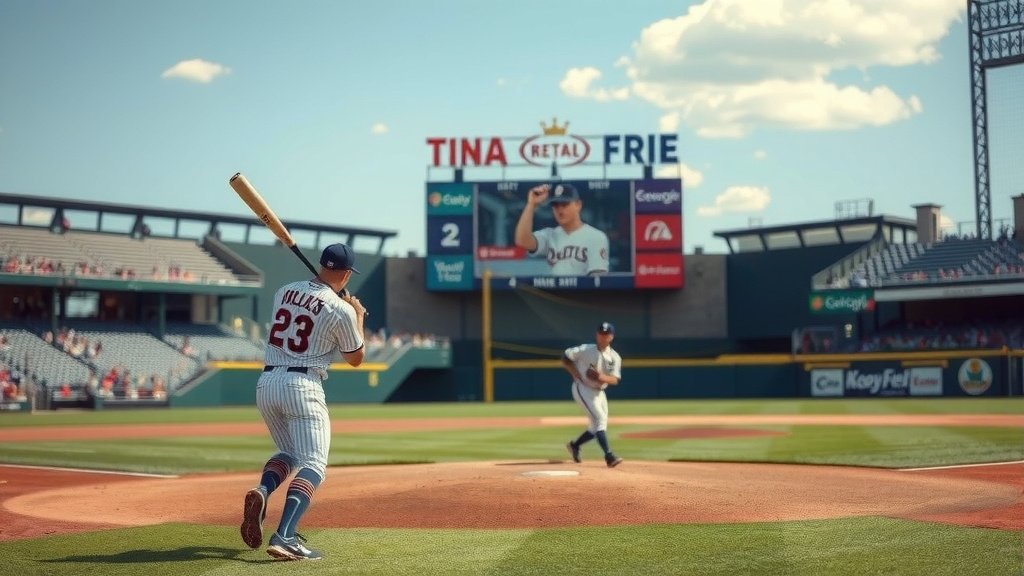
Every inning is divided into two main parts. These are often called the “top” and the “bottom.” The visiting team always bats first. This is known as the top of the inning. After the visiting team makes three outs, they switch to defense. Then, the home team gets their turn to bat. This is the bottom of the inning.
Why “Top” and “Bottom”?
The terms “top” and “bottom” just help you follow along. They tell you which team is currently at bat. If you hear “top of the fifth,” it means the visiting team is batting in the fifth inning. If it’s the “bottom of the fifth,” the home team is up to bat. It’s a simple way to keep track of the game’s progress. Many fans find it helps visualize the game’s flow.
How an Inning Ends
An inning doesn’t last a set amount of time. Instead, it ends when one team records three outs while playing defense. An out can happen in several ways. The most common are striking out a batter, catching a batted ball before it hits the ground, or forcing a runner out at a base. Once the third out is made, the teams switch roles. The offensive team becomes defensive, and vice-versa.
What Constitutes an “Out”?
Understanding outs is crucial. A batter is out if they swing and miss at three pitches (a strikeout). They are also out if a fielder catches their batted ball in the air before it bounces (a fly out). If a runner is trying to advance to a base and the fielder with the ball touches the base before the runner gets there, that’s a force out. These three are the most frequent ways an inning concludes. Research shows that strikeout rates have been steadily increasing over the years (MLB Official Statistics).
The Standard Nine-Inning Game
A regulation professional baseball game consists of nine complete innings. This is the standard for Major League Baseball (MLB). It provides a good balance. It’s long enough for strategies to develop. It’s also not so long that games drag on endlessly. By the end of the ninth inning, the team with more runs scored is declared the winner. This is the most common scenario you’ll see.
What if the Home Team is Leading?
Here’s an interesting twist. If the home team is ahead after the top of the ninth inning, the bottom of the ninth is not played. Why? Because the visiting team has already had their chance to bat and score. If they couldn’t catch up, the game ends. This saves time and is a logical conclusion. It prevents the home team from having an unnecessary offensive opportunity when the game is already decided.
When Games Go Beyond Nine Innings: Extra Innings
What happens if the score is tied after nine complete innings? That’s when things get exciting! The game goes into extra innings. This means the teams will play another inning, usually the “tenth inning.” Play continues, inning by inning, until one team holds a lead at the end of a full inning. The visiting team bats, and if they score to take the lead, the home team gets a chance to respond in the bottom half.
The All-Star Game and Extra Innings
Even in special games like the MLB All-Star Game, extra innings are used to break ties. While the regular season games can sometimes end in a tie in certain leagues or under specific circumstances (like darkness or bad weather before a game is official), MLB rules generally push for a decisive winner through extra innings. Research into historical game data shows that ties are rare in modern professional baseball (Baseball-Reference.com).
Innings in Different Baseball Leagues
While nine innings is the standard for professional baseball, you’ll see variations in other leagues. For example, youth leagues like Little League often play six-inning games. This is to keep games shorter and more manageable for younger players. Some amateur leagues might also adjust the number of innings. It’s always good to check the specific rules for the league you are watching or playing in.
Why the Variation?
The number of innings often depends on the age and development level of the players. Shorter games can be less demanding physically and mentally for children. It also helps manage game schedules more effectively. For adults or professionals, the nine-inning format allows for more strategic depth and a better test of endurance and skill. Many experts agree that adapting the game length is key for player development (Little League International Guidelines).
A Quick Checklist for Inning Understanding
Let’s sum up what you’ve learned. Here’s a quick way to remember the key points about innings:
- An inning has a top and a bottom.
- The visiting team bats in the top.
- The home team bats in the bottom.
- Three outs end a team’s turn at bat.
- A standard game has nine innings.
- Ties lead to extra innings.
Innings Are the Heartbeat of the Game
So, you see, innings are fundamental to baseball. They provide the structure. They create the back-and-forth rhythm. Understanding the top and bottom, the three outs, and the nine-inning standard will make watching or playing baseball much more enjoyable. It’s like learning the verses and choruses of your favorite song. Now you’re ready to appreciate each part of the baseball symphony!
“`
Conclusion
You’ve now got a solid grasp on baseball innings! Remember, an inning is the fundamental building block of a game, divided into a top and bottom where each team gets a shot at offense. A standard nine-inning game provides a great balance of strategy and action, but extra innings keep things exciting when scores are tied. Keep these inning basics in mind as you enjoy America’s pastime. Your next step? Watch a game with this new knowledge and see how much more you appreciate the flow!
Frequently Asked Questions
Can a baseball game end before nine innings are played?
Yes, a game can end early under certain conditions. If the home team is leading after the top of the ninth inning, the bottom half isn’t played. Also, games can be called due to weather or darkness, though specific rules dictate if it’s an official game.
What’s the difference between the top and bottom of an inning?
The “top” of an inning is when the visiting team bats. The “bottom” is when the home team gets their turn at bat. This ensures the home team always has the last chance to score if needed.
How many outs does it take to end an inning?
An inning officially ends when the defensive team records three outs against the batting team. These outs can happen in several ways, like strikeouts or fly outs.
Are all baseball games nine innings long?
Not always. While nine innings is the standard for professional baseball like MLB, many youth leagues play shorter games, often six innings. This adjusts the game length for younger players.
What happens if the score is tied after nine innings?
If the score is tied after the regulation nine innings, the game goes into “extra innings.” Teams will play additional innings one by one until one team has a lead at the end of a full inning.