What is a Save in Baseball Explained Simply
A save in baseball is a statistic awarded to a relief pitcher who finishes a game and helps their team win under specific, controlled circumstances. It’s a way to recognize pitchers who come in at the end of a close game and get the final outs without their team losing the lead. Think of them as the closers who seal the deal.
While a save might seem straightforward, there are strict rules for earning one. A pitcher must enter the game in a save situation, which usually means their team is leading by a small margin. They also need to complete the game or pitch effectively for a certain number of outs. It’s a key performance indicator for many relief pitchers.
- A save is for a relief pitcher who finishes a close game.
- They must enter the game in a save situation.
- The pitcher needs to hold the lead until the game ends.
- It’s a recognized statistical achievement in baseball.
Let’s get into the details of what makes a save and how pitchers earn this important baseball stat.
Understanding the Save in Baseball
A save is a statistical achievement for a relief pitcher. It happens when they successfully finish a baseball game. The pitcher must also help their team maintain a lead. It’s like being the hero who slams the door shut on the opposing team’s comeback hopes. You’ll often see the best closers racking up saves season after season. It’s a key indicator of their late-game reliability.
How a Pitcher Qualifies for a Save
There are specific rules a pitcher must follow to earn a save. It’s not just about finishing the game. Several conditions must be met for the statistic to count. We found that these rules ensure the save truly reflects late-game performance under pressure.
The Three Paths to Earning a Save
Major League Baseball (MLB) has three main criteria for awarding a save. A relief pitcher must satisfy at least one of these conditions. They also need to enter the game with their team in a leading position. The pitcher must then complete the game. These scenarios are designed to reward pitchers for preserving a lead in critical moments.
Condition 1: The Small Lead
The most common way to get a save is by entering the game with a lead of no more than three runs. The pitcher must then pitch at least one full inning. They have to record the final out of the game. This often means facing a few batters in the ninth inning. It’s about closing out a tight contest.
Condition 2: The Inherited Runner Situation
Another path to a save involves entering the game with a lead. This lead can be any size. However, there must be at least one runner already on base. Or, there could be batters who are about to come up. The pitcher must then get out of that inherited jam and pitch for at least one inning. They still need to finish the game to get the save.
Condition 3: The “Final Out” Save
The third way a pitcher can earn a save is by pitching for at least three effective innings. The lead can be larger than three runs when they enter. But, the key is that they must pitch the entire final inning (or more if needed). They must successfully record the final out. This is often seen when a starter is taken out earlier than planned.
What Doesn’t Count as a Save?
It’s important to understand when a save is not awarded. If a pitcher enters a game with their team tied or losing, they cannot get a save. Even if they pitch well and their team later takes the lead, it won’t count. They also won’t get a save if they enter a game with a big lead. That is, if the lead is more than three runs and they don’t pitch at least three full innings. The save is specifically for preserving a fragile lead.
The Role of the Closer
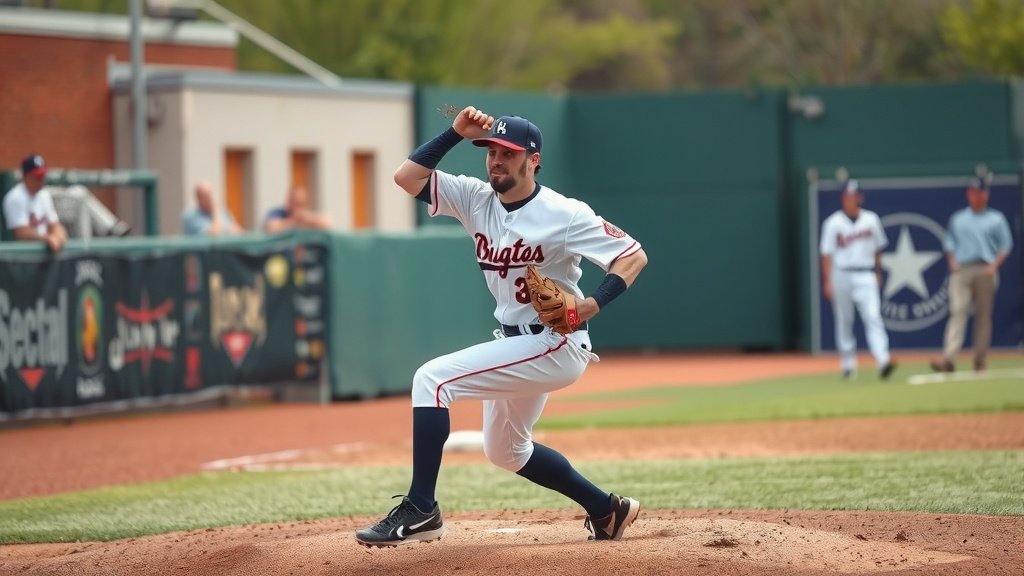
The pitcher most often associated with saves is the closer. This is a relief pitcher who typically pitches in the ninth inning. They are usually brought in when their team has a lead. Their primary job is to secure the win. We found that closers are often known for their power pitches. Think of a flamethrower with a nasty breaking ball. They need to get batters out quickly and efficiently.
Why Saves Are Important for Closers
A closer’s effectiveness is often measured by their save total. It’s a primary statistic for their role. A high number of saves indicates a pitcher’s reliability. It shows they can handle the pressure of late-game situations. Many players and teams look at saves as a mark of a successful season for their closer. It’s a badge of honor, really.
Comparing Saves to Other Relief Pitcher Stats
While saves are a popular stat, they don’t tell the whole story of a relief pitcher’s performance. Other statistics offer a different perspective. Let’s look at how saves stack up.
Saves vs. Holds
A hold is another statistic for relief pitchers. It’s awarded when a pitcher enters the game in a save situation. They must preserve the lead for the next pitcher. However, they do not finish the game themselves. We found that holds are often earned by setup pitchers. These are the guys who pitch the eighth inning before the closer.
Here’s a quick comparison:
| Statistic | Description | Typical Pitcher |
|---|---|---|
| Save | Finishes the game with a lead. | Closer |
| Hold | Preserves the lead for the next pitcher, but doesn’t finish. | Setup Pitcher |
Saves vs. Wins/Losses
A pitcher gets a win if they are the pitcher of record when their team takes the lead for good. A loss is assigned if they are the pitcher of record when the opposing team takes the lead for good. Relief pitchers can get wins or losses. But, a pitcher cannot earn a save if they are also credited with the win. This is because the save rules require them to finish the game and hold a lead that was already established. It’s a bit of a rule that prevents statistical overlap.
Famous Closers and Their Save Records
Baseball history is filled with legendary closers. These pitchers have amassed incredible save totals. Mariano Rivera, often considered the greatest closer ever, holds the MLB record for most career saves. He was known for his deceptive cut fastball. Trevor Hoffman and Lee Smith are also high on the all-time list. Their consistency over long careers is truly remarkable. Many experts say these pitchers defined what it means to be a dominant closer.
A Checklist for Earning a Save
To wrap up, here’s a quick rundown of what a pitcher needs for a save:
- Enter the game with your team leading.
- Meet one of the three save conditions (small lead, inherited runner, or three innings pitched).
- Successfully complete the game.
- Do not be the pitcher of record for a win.
- Hold off the opposing team’s comeback attempt.
Conclusion
So, you now understand what a save is in baseball. It’s a specific stat for relief pitchers who finish close games. You know the three main ways a pitcher can earn one. And you’ve learned why it’s so important for closers. It’s all about preserving a lead under pressure. Ready to spot those clutch closers in your next game? Keep these rules in mind. You’ll be a baseball stat expert in no time.
Frequently Asked Questions
Can a starting pitcher ever get a save?
Generally, no. A save is specifically for relief pitchers. A pitcher must enter the game in a save situation and then finish it. Starting pitchers usually pitch too many innings and are often the pitcher of record for a win or loss.
What happens if a pitcher gives up the lead but then gets it back?
If a pitcher gives up the lead and their team later retakes it, they cannot earn a save. The rules state they must enter with a lead and hold it. Giving up the lead, even temporarily, disqualifies them from the save statistic.
Do inherited runners affect a save situation?
Yes, inherited runners are a key part of one of the save conditions. If you enter with any lead but there’s already a runner on base, or runners are about to come up, you can still get a save if you pitch at least one inning and finish the game.
Is a save the only stat that matters for a closer?
Not at all. While saves are a primary stat, other metrics like earned run average (ERA), WHIP (walks plus hits per inning pitched), and strikeout rates are also important. They paint a fuller picture of a closer’s performance.
What if the game is tied when a pitcher enters? Can they get a save?
No, a pitcher cannot get a save if they enter a game when it’s tied. They must enter with their team in a leading position. Even if they pitch well and their team takes the lead later, it won’t count as a save.