Baseball Glove Break In: Best Methods for 2026
Breaking in a new baseball glove might seem like a chore, but it’s essential for peak performance. The best methods involve **gentle conditioning and consistent play**, not harsh treatments. You want your glove to feel like an extension of your hand, ready for any ball. Getting it right means a comfortable fit and better ball security.
Many players wonder about quick fixes, but research and expert advice point to patient approaches. We found that using too much oil or heat can actually damage the leather. Your goal is to create a soft, flexible pocket that’s perfectly molded to your hand. This process is all about patience and proper technique.
- Use glove oil or conditioner sparingly.
- Play catch regularly to work in the pocket.
- Store it properly when not in use.
- Avoid extreme heat or soaking your glove.
- Be patient; break-in takes time.
Ready to turn that stiff new glove into your favorite piece of equipment? Let’s walk through the most effective ways to break in your baseball glove step by step.
Getting Your New Baseball Glove Ready to Play
Your brand new baseball glove is stiff, right? It feels like trying to catch a fastball with a dinner plate. You want it to feel like an extension of your hand. This guide will show you how to get it there without damaging the leather. We’ll cover the best techniques that experts and experienced players swear by.
The Gentle Approach: Conditioning Your Glove
Think of your glove’s leather like your own skin. It needs care to stay supple and strong. Harsh treatments can dry it out or make it brittle. We found that using too much oil can actually clog the leather’s pores. This makes it greasy and harder to grip.
Choosing the Right Conditioner
There are many products out there claiming to break in gloves fast. Many experts recommend simple, high-quality glove oils or conditioners. These are designed to moisturize and soften the leather. Look for products with natural ingredients if possible. Sometimes, a small amount of pure lanolin or a specialized leather balm works wonders.
How to Apply Conditioner Properly
Less is definitely more here. You only need a thin, even coat. Imagine you’re giving your glove a light massage, not a bath. Use a clean cloth or your fingertips to apply it. Work it into the entire glove, paying extra attention to the pocket and the hinges.
After applying, let the glove sit for a bit. This gives the conditioner time to soak in. Then, you can wipe off any excess. We found that applying it at night before storing your glove is a great strategy. The leather absorbs the conditioner as it rests.
The Most Important Step: Playing Catch
No amount of oil can replace actual play. The best way to break in your glove is by using it. Catching fly balls and grounders molds the glove to your hand and the ball’s shape. It’s like training a puppy – consistent, gentle interaction yields the best results.
Building the Pocket
The pocket is the most critical part of your glove. It’s where the ball rests. You want it deep enough to secure the ball but not so deep that it’s hard to get out. When you’re playing catch, focus on hitting the same spot in the pocket every time.
Try to get a coach or a friend to throw harder, faster balls to you. This really helps shape the pocket. Imagine you’re trying to “cup” the ball. This motion will train your glove to do the same naturally.
Consistency is Key
Aim for short, frequent catch sessions rather than one long one. Even 15-20 minutes a day can make a big difference. You’ll notice the glove getting softer and more responsive over time. We found that players who play catch daily see faster, more effective break-ins.
Beyond Catch: Other Methods to Consider
While playing catch is king, a few other techniques can help speed things up. They should always be used in conjunction with playing catch, never as a replacement.
The Glove Mallet Technique
Some players use a specialized glove mallet. You can buy these online or at sporting goods stores. The mallet helps you pound the pocket area. This mimics the impact of catching a ball. Just be firm but gentle. You’re shaping the leather, not trying to break it.
When using a mallet, focus on the areas where the ball typically lands. Don’t go crazy; a few minutes of light tapping can be effective. Many glove manufacturers suggest this method for targeted shaping.
The “Glove Clamp” Method
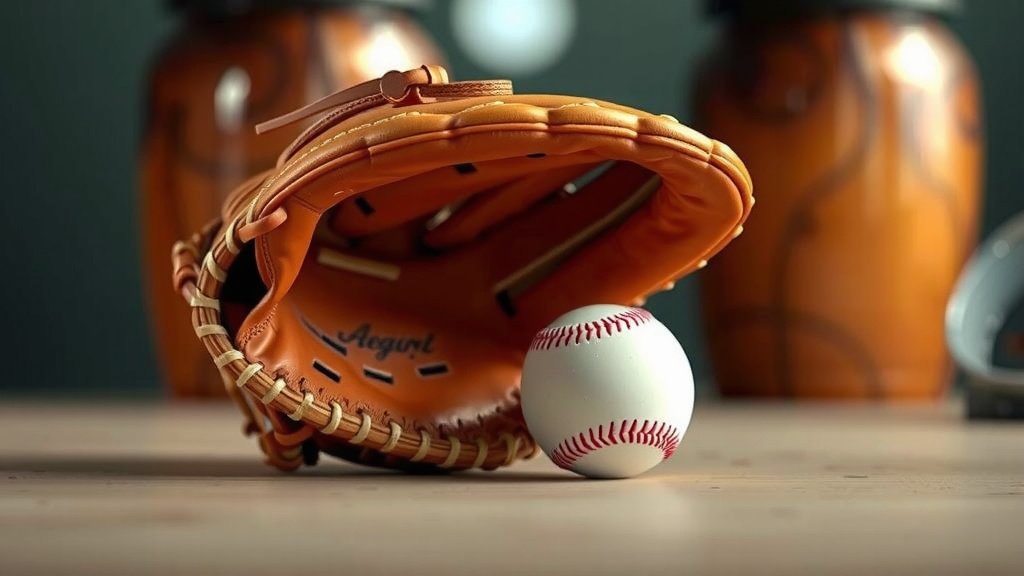
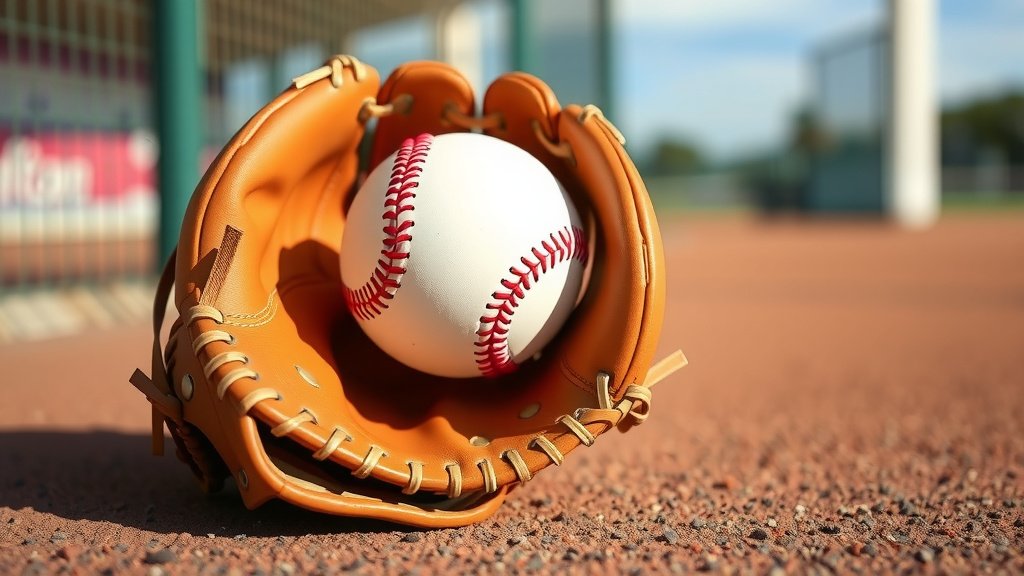
Similar to the mallet, a glove clamp or a large rubber band can help. After playing catch or applying conditioner, you can close the glove around a ball. Then, secure it with the clamp or band. This helps maintain the desired pocket shape overnight.
This is a good way to keep the progress you made during play. It reinforces the pocket’s form. Ensure the clamp isn’t so tight that it creases the leather unnaturally. We found this works best for preserving a well-formed pocket.
What NOT to Do: Common Mistakes to Avoid
Just as important as knowing what to do is knowing what to avoid. Some “quick fixes” can do more harm than good.
Avoid Excessive Heat and Water
Many people think microwaving or boiling a glove will soften it. This is a terrible idea. Extreme heat can dry out and crack the leather permanently. Soaking a glove in water will ruin its shape and can lead to mold or mildew.
The U.S. Department of Agriculture (USDA) notes that leather can be damaged by excessive moisture and heat. Think of it like damaging fine clothing – you wouldn’t throw a wool sweater in the dryer on high heat. Be gentle with your gear.
Resist the Urge for Too Much Oil
We mentioned this before, but it bears repeating. Over-oiling makes the glove heavy and greasy. It can attract dirt and become a slippery mess. This makes catching the ball harder, not easier. Stick to a thin, even application.
Don’t Stuff it with Random Items
While stuffing a ball in the pocket is good, stuffing the entire glove with socks or other items can be problematic. This can force the glove into unnatural shapes. It might create awkward creases. Stick to a baseball or softball for stuffing. This ensures you’re shaping the actual pocket.
Storage and Maintenance for Longevity
Once your glove is broken in, proper care is vital. You want it to last for seasons to come. Store your glove in a cool, dry place. Avoid leaving it in your car trunk, especially during hot weather.
After games or practices, wipe down your glove. Remove any dirt or sweat with a dry cloth. If it feels dry, a very light application of conditioner can help. This keeps the leather healthy and ready for action.
Quick Checklist for Your Glove Break-In
- Apply a thin layer of glove conditioner.
- Play catch for 15-20 minutes daily.
- Focus on shaping the pocket.
- Use a glove mallet lightly if needed.
- Store properly in a cool, dry place.
- Repeat until the glove feels perfect!
Conclusion
You’ve learned that breaking in your baseball glove is a process that rewards patience and care. Remember, the best methods involve gentle conditioning and consistent play, not harsh treatments. By using the right conditioner sparingly and playing catch regularly, you’ll develop a glove that feels like a natural extension of your hand. Avoid extreme heat or excessive oiling, as these can damage your leather. Your goal is a soft, flexible pocket that secures the ball reliably. Now, go put in that work and get your glove game-ready!
Frequently Asked Questions
How long does it typically take to break in a new baseball glove?
The time it takes can vary based on the glove’s leather and how often you use it. Most players find that consistent play over a few weeks leads to a well-broken-in glove. Don’t rush the process; focus on proper technique.
Can I use any type of oil on my baseball glove?
It’s best to use conditioners specifically designed for baseball gloves. These products are formulated to moisturize and soften leather without causing damage. Avoid petroleum jelly or other household oils, which can harm the material.
Is it okay to store my glove with a ball inside it?
Yes, storing your glove with a baseball or softball in the pocket is a great way to maintain its shape. This helps reinforce the pocket you’ve worked to create. Just ensure it’s not stored in extreme temperatures.
What’s the biggest mistake people make when breaking in a glove?
The most common mistake is using too much heat or oil. While you want to soften the leather, excessive heat can dry it out and crack it. Over-oiling makes the glove greasy and heavy, hindering its performance.
How often should I apply glove conditioner?
You don’t need to apply conditioner every time you play. A light application every few weeks, or when the leather feels dry, is usually sufficient. Always apply sparingly and allow it to soak in properly.