What is a Baseball Closer? Role & Key Responsibilities
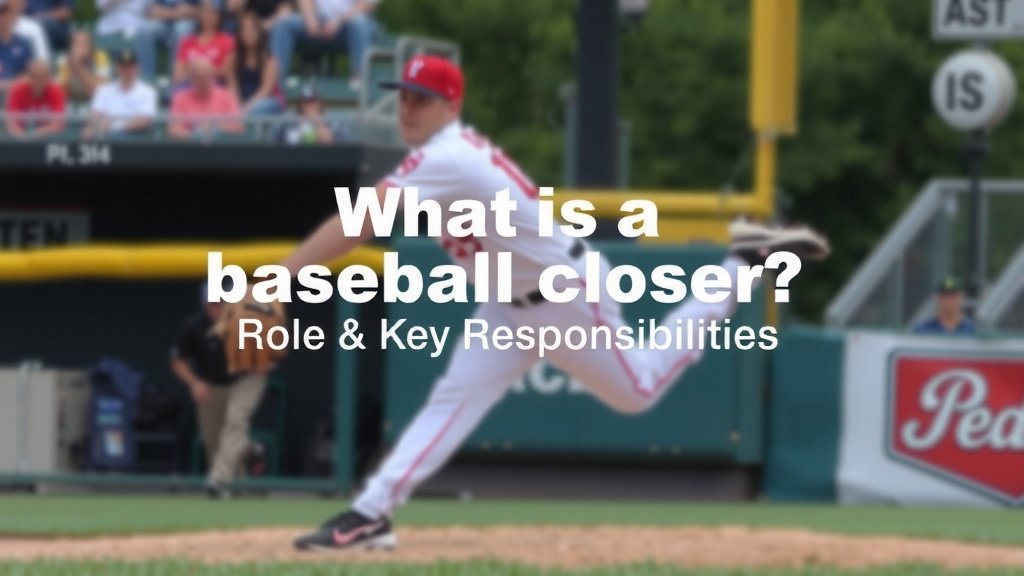
In baseball, a closer is a relief pitcher who enters the game in the final innings to protect a lead and finish the game. Their main job is to secure the win for their team when the stakes are highest. They are typically brought in for the 8th or 9th inning, sometimes even earlier if the situation is very tight.
Think of them as the firefighter of the bullpen. When the game is on the line and a lead needs to be held, the closer is the one manager calls upon. They often have powerful fastballs and tricky breaking pitches to get batters out quickly. This specialized role is key to many successful baseball teams.
- A closer is a relief pitcher who finishes the game.
- They enter in the late innings, usually the 8th or 9th.
- Their goal is to protect a lead and secure the win.
- Closers often have strong pitching skills to get outs fast.
- They are a vital part of a team’s strategy.
Let’s break down exactly what makes a closer so important and what skills they need to succeed. We’ll look at their typical role and how they impact the game.
So, you’ve heard the term “closer” tossed around during a tense baseball game, right? It’s that pitcher who strides in when the score is tight and the crowd is roaring. But what exactly is their role? Let’s dive into the heart of baseball strategy and understand this critical position.
Understanding the Baseball Closer’s Role
A closer is the final pitcher a team calls upon. Their main job is to secure the win. They typically enter the game in the 8th or 9th inning. This is when the pressure is on. The manager trusts them to hold a lead and end the game.
The Closer’s Mission: Protecting the Lead
Imagine your team has a small lead, say 3-2, heading into the last couple of innings. This is prime time for the closer. They aren’t usually brought in to pitch many innings. Their goal is to get a few quick outs. They need to prevent the other team from tying or taking the lead. It’s a high-stakes role. A single mistake can cost the game.
When Does a Closer Enter the Game?
Most often, closers pitch the ninth inning. This is the traditional setup. But sometimes, they might come in earlier. If the game is very close, maybe a one-run lead in the 8th, the manager might call for the closer then. This depends on the team’s strategy and the specific game situation. Some managers have a set plan. Others are more flexible.
Key Skills and Attributes of a Successful Closer
What makes a pitcher good enough to be a closer? It’s a unique set of skills. They need to be able to shut down the opposing team quickly. This requires a special kind of pitcher.
Power Pitching and Velocity
Many closers have very fast fastballs. We’re talking pitches that can reach 95 mph or even higher. This velocity can overwhelm hitters. It gives them less time to react. This is a primary weapon for closers. It helps them get strikeouts, which are essential outs.
Deceptive Pitches and Movement
But it’s not just about throwing hard. Effective closers also need deceptive pitches. These could be curveballs, sliders, or changeups. These pitches have a lot of movement. They can make the ball look like one thing and then break another way. This makes it harder for batters to make solid contact. It’s a double threat of power and deception.
Mental Toughness and Composure
The psychological aspect is huge. Pitching in the 9th inning with the game on the line is intensely stressful. Closers must have incredible mental toughness. They need to stay calm under pressure. They can’t let the crowd noise or the situation get to them. Research often points to strong mental resilience as a key trait for successful closers (NCAA Journal of Sports Science).
A Closer’s Pitching Arsenal
Think of a closer’s pitches like tools in a toolbox. They need a few reliable options.
- Fastball: Their go-to pitch for velocity.
- Breaking Ball: A curveball or slider that moves sharply.
- Off-Speed Pitch: Like a changeup, to keep hitters off balance.
Having a mix makes them harder to predict. It’s not just about throwing strikes; it’s about throwing strikes that hitters can’t hit well.
The Strategic Importance of the Closer
Why do teams dedicate a pitcher specifically to this role? It’s all about specialization and maximizing strengths. A dedicated closer allows other relief pitchers to prepare for earlier innings.
Specialization in the Bullpen
Teams don’t want their best late-game pitcher to throw in the 6th inning. They want them fresh and ready for the most critical moments. This specialization is a strategic advantage. It ensures the team has a weapon for the end of the game. It’s like saving your best player for the last quarter.
Impact on Game Outcomes
The presence of a dominant closer can change how a team plays. Knowing you have someone reliable to finish the game can affect decisions earlier on. Managers might be more willing to take risks or stick with a starter longer. The closer is a confidence booster for the whole team.
A Statistical Look at Closers
We found that closers often have lower earned run averages (ERAs) and higher strikeout rates. This is because they face fewer batters. They are used in situations where preventing runs is absolutely essential.
| Statistic | Closer | Other Reliever |
|---|---|---|
| Innings Pitched Per Appearance | ~1.0 | ~1.5 – 2.0 |
| Strikeout Rate (K/9) | High | Medium-High |
| ERA (Earned Run Average) | Very Low | Low |
| Save Opportunities | High | Low |
This table shows how their role differs. They pitch fewer innings but are expected to be exceptionally effective when they do pitch.
Can Any Pitcher Be a Closer?
Not every pitcher is cut out for the closer role. It requires specific physical and mental gifts. It’s a tough job that demands a lot from a player.
Physical Demands and Pitch Count
While closers don’t pitch as many innings as starters, each appearance is high-intensity. The repetitive high-velocity arm action puts stress on the arm. Pitch counts are carefully monitored. They need to be able to recover quickly between appearances. It’s about quality over quantity of innings pitched.
The Psychological Pressure Cooker
We’ve mentioned it before, but the mental side is really key. A closer has to be able to handle failure. They will blow saves. It happens. How they respond to that is crucial. Getting back on the mound and performing well after a tough outing shows true grit. It’s a position that truly tests a player’s character.
Developing a Closer’s Mentality
Some pitchers naturally have this mentality. Others develop it through experience. Managers look for pitchers who are confident. They also look for those who can compartmentalize. They need to leave bad outings behind. Then, they can focus on the next batter, the next inning, the next game.
Checklist: What Makes a Great Closer?
Here’s a quick rundown of what goes into being a top-tier closer:
- Powerful Fastball
- Effective Breaking Pitches
- Strong Mental Fortitude
- Ability to Perform Under Pressure
- Quick Recovery Between Outings
- Consistent Performance
Conclusion
You’ve learned that a baseball closer is much more than just a pitcher. They are the game’s final line of defense. Their powerful arms and sharp minds are essential for securing victories. A great closer combines blistering fastballs with deceptive off-speed pitches. They also need immense mental toughness to handle high-pressure situations. When you see that closer trot in from the bullpen, you know the game is reaching its peak intensity. Now that you understand their role, pay close attention to the 9th inning. See how the closer’s performance impacts the outcome of your favorite team’s games.
Frequently Asked Questions
What’s the difference between a closer and a setup man?
A closer is the pitcher who finishes the game, usually in the 9th inning. A setup man pitches the inning before the closer, typically the 8th inning. Their job is to protect the lead and hand it over to the closer.
Do closers always pitch the 9th inning?
Not always. While the 9th inning is most common, a closer might enter earlier. If the game is very close and the lead is threatened in the 8th inning, a manager might bring in the closer sooner to secure outs.
What kind of pitches does a closer usually throw?
Closers often rely on a powerful fastball with high velocity. They also typically have at least one effective breaking pitch, like a slider or curveball, and sometimes an off-speed pitch like a changeup. The mix keeps hitters guessing.
How do you earn a “save” in baseball?
A pitcher earns a save by finishing a game for the winning team without giving up the lead. There are specific conditions, such as entering the game with a lead of no more than three runs and pitching at least one inning.
Can a starting pitcher become a closer?
Sometimes. A pitcher might transition to a closer role if they have the right skill set, like high velocity and mental toughness, and if their team needs a strong arm for the late innings. It requires a different approach than starting.