
What is a Bunt in Baseball: A Simple Guide
A bunt is a baseball offensive strategy where a batter intentionally taps the ball softly into fair territory instead of swinging hard. It’s often used to advance runners or catch the defense off guard. Think of it as a surprise move to gain a small advantage.
When you see a bunt, it’s usually part of a bigger game plan. It can be a smart way to move a runner from first base to second base, or even from second to third base. Sometimes, it’s a surprise play designed to get the batter on base safely if the defense isn’t expecting it.
- A bunt is a soft hit into fair territory.
- It’s used to advance runners or get on base.
- It requires specific technique and practice.
- Defenses have strategies to counter bunts.
Ready to learn more about this unique baseball play? Below, we’ll break down exactly how a bunt works and why it’s used so often in baseball games.
Understanding the Baseball Bunt
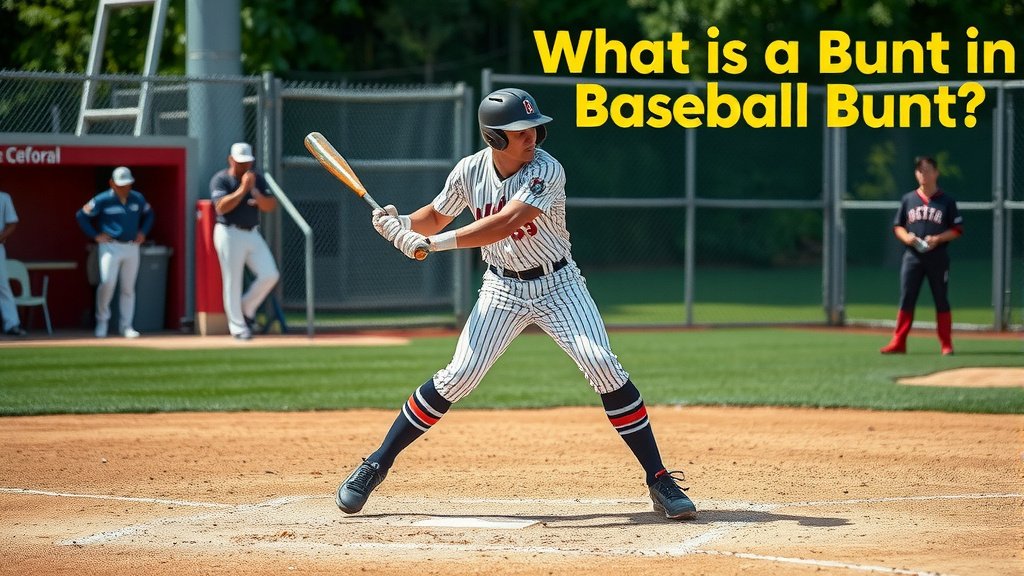
You might see a batter suddenly change their stance and hold the bat out in front of them. This is usually the moment a bunt is about to happen. A bunt isn’t a wild swing. It’s a controlled, soft tap of the ball.
The goal is simple: put the ball into play softly. It’s a strategic choice, not a sign of weakness. Many players practice this move regularly. They want to be ready when the situation calls for it.
Why Bunt? The Strategic Advantage
There are several key reasons why a team will call for a bunt. It’s all about moving runners and disrupting the defense. Let’s break down the main strategic goals.
Advancing Runners
The most common reason to bunt is to move runners already on base. Imagine a runner on first base. If the batter bunts the ball effectively, that runner can advance to second base. This puts them in a better scoring position.
A sacrifice bunt is a common play here. The batter intentionally gets themselves out to help the runner. They accept making an out to achieve a bigger team goal. It’s a selfless act for the good of the team.
The Sacrifice Bunt Explained
Think of it like this: the batter is trading their chance to get a hit for a better chance for their teammate to score. They aim to place the bunt where the fielders have a hard time getting to it quickly.
When a sacrifice bunt is successful, the runner on first is usually safe at second. If there’s a runner on second, a bunt could move them to third base. This makes it much easier for them to score on the next hit. Many coaches consider this a fundamental part of offensive strategy.
Bunting for a Hit
Sometimes, the batter isn’t trying to sacrifice themselves. They might try to bunt the ball and beat it out to first base themselves. This is called a bunt for a hit.
This play works best when the defense isn’t expecting it. A quick batter can often get to first base before the ball is fielded. It’s a bit of a surprise tactic. It requires excellent speed and good placement of the bunt.
The Element of Surprise
A bunt can catch the defense completely off guard. If the infielders are playing deep, expecting a hard hit, a well-placed bunt can be very effective. This is especially true with two outs.
The surprise factor is huge. Players train to react quickly, but a bunt can be so fast and unexpected. It’s a way to change the pace of the game. It can create openings where there seemed to be none.
How to Execute a Bunt: The Technique
Bunting isn’t just holding the bat out. It takes practice and a specific technique. You have to change your whole approach at the plate.
The Bunting Stance
When you decide to bunt, you usually step forward in the batter’s box. You want to get closer to the pitcher. This shortens the distance the ball has to travel. You also turn your body slightly.
Your feet will be closer together. You bring the bat out in front of the plate. It’s held with both hands, but not gripped tightly. Your wrists are loose. This is very different from a swinging stance.
Making Contact
Instead of swinging, you’re essentially catching the ball with your bat. You let the ball do most of the work. You guide the bat to where you want the ball to go.
The key is a soft touch. Too hard, and it might go too far. Too soft, and it might not get past the pitcher. It’s about controlling the bat face. You aim to angle it so the ball rolls into foul territory or stays fair.
A common mistake is to swing at the ball. This will often result in a foul ball or a pop-up. You want to absorb the impact, not create it. Many baseball articles discuss the precise angle needed.
Guiding the Ball
Once contact is made, you might move the bat slightly. This is called “squaring up” the ball. You guide its direction. You’re trying to place it where no fielder can easily make a play.
The ideal spot is usually just in front of home plate. It needs to be in fair territory. If it rolls foul, it’s a strike. Two strikes and you’re out, unless it’s a sacrifice bunt situation where you can be out regardless. If it rolls foul, it’s a strike, and a bunted foul with two strikes is an automatic out.
Defensive Strategies Against the Bunt
Baseball defenses aren’t passive. They have ways to counter a bunt attempt. Knowing these helps you understand the game better.
The Pitcher’s Role
The pitcher is the first line of defense. When they see a bunt attempt, they need to react quickly. Their job is to field the ball and throw it to first base.
Sometimes the pitcher will throw a “bunt defense” pitch. These are often slower pitches. They are easier for the batter to hit, but also easier for the pitcher to field. The goal is to make the bunt predictable.
The Infielders’ Charge
When a bunt is put down, the infielders often charge forward. The third baseman might charge towards the batter. The first baseman might move off the bag. The shortstop and second baseman cover the bases.
This is a coordinated effort. They are trying to cut off the ball’s path. They also try to get to it quickly to make a throw to first base. Their speed and communication are key.
The Third Baseman’s Dilemma
The third baseman often has the toughest job on a bunt. They have to decide whether to field the ball themselves or let the pitcher get it. They also have to consider if a runner is trying to advance.
If a runner is heading from first to second, the third baseman needs to be fast. They might have to throw to second base. It’s a high-pressure situation. Many baseball studies highlight this challenge.
When is a Bunt the Right Play?
Coaches consider many factors before calling for a bunt. It’s not a decision made lightly. Here’s what goes into it:
- Runner on Base: Is there a runner who needs to advance?
- Score and Inning: Is it a close game late, or an early inning where a small gain matters?
- Batter’s Skills: Can the batter execute a bunt effectively?
- Outfield Alignment: Are the outfielders playing deep, making a bunt more attractive?
- Pitcher’s Tendencies: Does the pitcher struggle with controlling pitches or fielding bunts?
Bunting in Different Situations: A Quick Guide
Let’s look at common scenarios where you’ll see a bunt.
Runner on First, Less Than Two Outs
This is the classic sacrifice bunt situation. The batter aims to move the runner to second. They are likely willing to get out.
Runner on Second, Less Than Two Outs
A bunt here can move the runner to third. This makes them an easier score on a fly ball or ground out. It’s a strategic move to gain an advantage.
Batter is Fast, Defense is Playing Deep
This is a prime opportunity for a bunt for a hit. The batter tries to beat the ball to first.
Late Game, Close Score
Even small advantages matter. A bunt can be used to get a runner into scoring position or steal a base.
Common Bunt Mistakes to Avoid
Bunting looks simple, but it has its challenges. Players often make a few common errors.
- Swinging at the Ball: This leads to foul balls or pop-ups. Remember to just guide it.
- Not Moving the Bat: Keeping the bat still can make it hard to aim. A slight adjustment helps.
- Holding the Bat Too Tightly: This removes the soft touch needed. Keep your wrists loose.
- Bunting Foul with Two Strikes: This is an automatic out. Be extra careful.
- Not Running Through First Base: If you’re trying for a hit, hustle!
We found that consistent practice is key for batters trying to master the bunt. Even professional players spend hours refining their technique.
Conclusion
You’ve learned that a bunt is a strategic baseball play. It involves tapping the ball softly into fair territory. Whether it’s a sacrifice bunt to advance runners or a bunt for a hit to catch the defense off guard, it’s a smart tactic. Mastering the technique takes practice, but understanding its purpose helps you appreciate the game more. Now that you know the ‘why’ and ‘how,’ watch for bunts in your next game and see these strategies in action!
Frequently Asked Questions
What’s the main difference between a sacrifice bunt and a bunt for a hit?
A sacrifice bunt is when the batter intentionally gets themselves out to help a runner advance. A bunt for a hit is when the batter tries to get on base safely themselves, usually relying on their speed and the element of surprise.
Can a batter be called out if they bunt the ball foul?
Yes, if a batter has two strikes and bunts the ball foul, it’s an automatic out. This is why being precise with your bunt placement is so important, especially with two strikes.
Why do pitchers sometimes throw slower pitches when a bunt is likely?
Pitchers might throw slower pitches to make the bunt easier for them to field. These pitches are also easier for the batter to bunt, but the slower speed gives the pitcher more time to react and field the ball cleanly.
Is bunting effective against any defense?
Bunting is most effective when the defense isn’t expecting it or when the infielders are playing deep. A well-placed bunt can be difficult to field quickly, especially if the infielders have to charge in from a distance.
How much practice does it take to get good at bunting?
Bunting requires a lot of practice to master. Batters need to develop a soft touch and learn to control the bat face precisely. Even professional players spend significant time refining their bunting skills.