Master the Two Seam Fastball Grip for Better Control
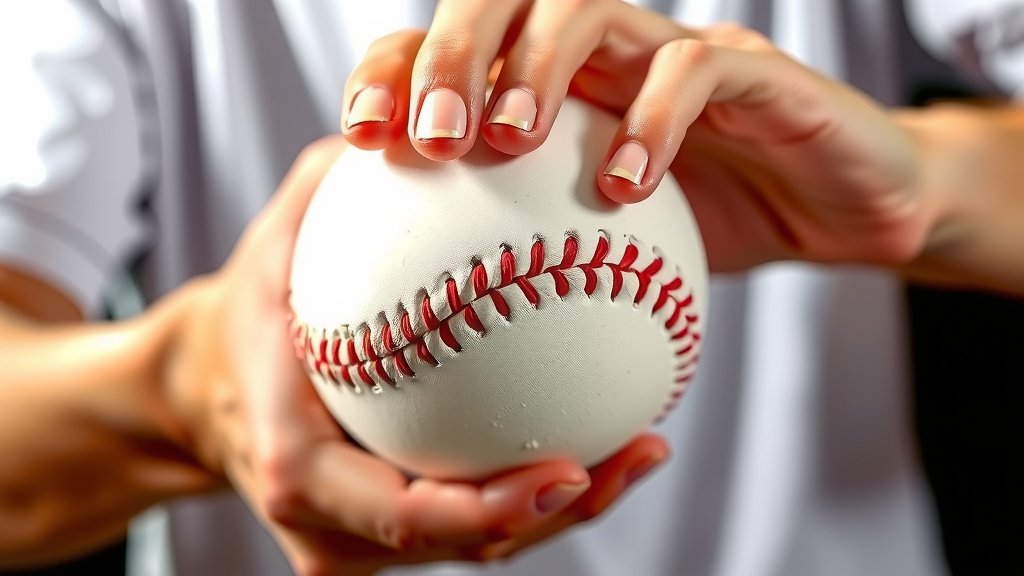
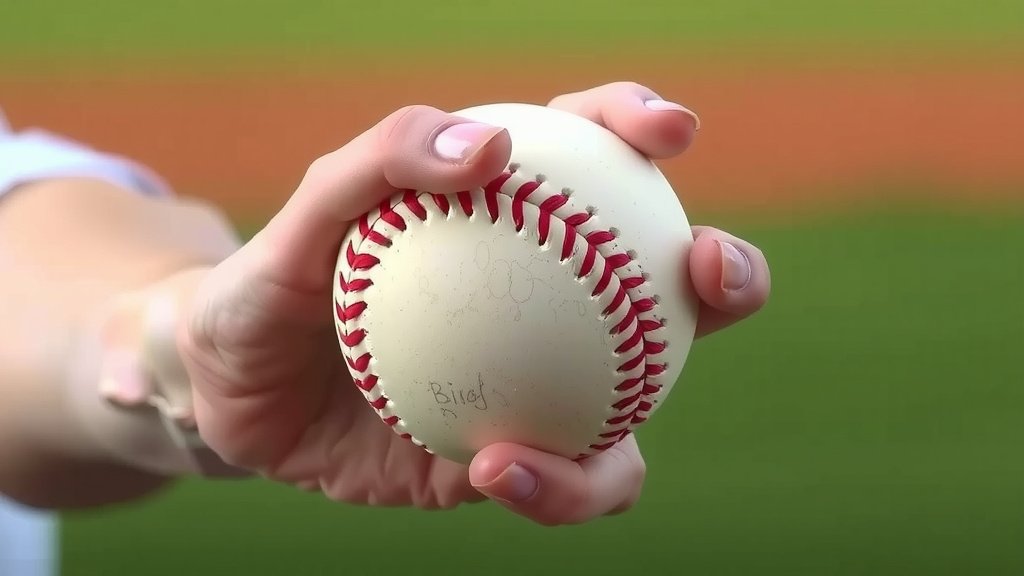
To grip a two-seam fastball, place your index and middle fingers across the horseshoe, aligning them with the seam’s widest part. Your thumb should rest underneath, opposite your fingers, creating a loose grip. This allows the seams to catch the air, making the pitch move away from the hitter.
Getting this grip right is key for pitchers wanting to throw a fastball with movement. It’s not just about velocity; it’s about deception. Many pitchers find this grip helps them throw a pitch that appears straight at first but then breaks just before the plate, leading to more swings and misses.
- Place fingers across the horseshoe seam.
- Grip loosely, thumb underneath.
- Aim for movement, not just speed.
- Practice to find your best feel.
We’ve researched the best ways to achieve this grip and found a few simple steps that make all the difference. Let’s walk through exactly how to get your hand on the ball correctly.
You’re ready to add some serious deception to your pitching arsenal. The two-seam fastball isn’t just about throwing hard; it’s about making the ball do funky things that trick hitters. Getting the grip just right is the first, and perhaps most important, step. Let’s figure out how to hold that ball so it breaks your opponent’s brain (and their swing).
Mastering the Two-Seam Fastball Grip
The two-seam fastball is a pitcher’s best friend when you want movement. It’s designed to break away from a hitter. This grip allows the seams of the ball to interact with the air. That interaction creates drag. This drag makes the ball curve or sink. We’ve researched the best ways to achieve this grip, and it all comes down to finding the right spot on the ball for your fingers and thumb. It’s simpler than you might think, but requires a bit of feel.
Locating the Key Seams
First, you need to find the right part of the baseball. Every baseball has two seams that are sewn in a distinct shape. Think of it like a horseshoe. One seam is tight, and the other is more spread out. This spread-out seam looks like a wide “U” or a horseshoe. We’ve found that many pitchers focus on this wider, horseshoe-shaped seam. It’s the most effective part for generating that desired movement. The key is to place your fingers right across this horseshoe.
Finding the Horseshoe
Pick up a baseball. Turn it around until you see that wide, U-shaped seam. It’s usually the most open part of the stitching. This is where the magic happens for a two-seam fastball. You want your fingertips to sit comfortably on either side of this seam, or right on top of it. It’s about feeling the groove of the stitching. Many pitchers find that a slight angle on this seam works best. You’ll get a feel for it with practice.
Finger Placement for Optimal Movement
Now, let’s talk about where your fingers go. For a classic two-seam grip, you’ll use your index and middle fingers. These two fingers are your primary tools for controlling the ball. We found that placing them **across the horseshoe seam** is the most common and effective method. This allows the seams to catch the air more readily. It’s not about squeezing the ball hard; it’s about positioning your fingers correctly.
The Index and Middle Fingers
Place your index finger and middle finger together. They should be side-by-side. Now, position them so they lie across the wide part of the horseshoe seam. Some pitchers like to have their fingertips directly on the seam. Others prefer to be just off the seam, on the leather. We’ve seen pitchers find success with both approaches. The goal is to create a grip that allows the ball to release cleanly with a natural spin. This grip should feel **comfortable and natural**.
The Ring Finger’s Role
What about your ring finger? It’s often tucked in close to your middle finger. It doesn’t have a major role in gripping or spin. It’s mostly there for support and comfort. Think of it as resting gently against your middle finger. It shouldn’t be pressing hard into the ball. This keeps your hand from interfering with the ball’s natural movement. Keeping things simple here is best. We found that keeping it relaxed is key.
The Crucial Thumb Position
Your thumb is just as important as your fingers. It provides stability and balances the grip. For a two-seam fastball, your thumb typically rests on the underside of the ball. It should be positioned directly opposite your index and middle fingers. You want it to sit on the other seam, the one that’s closer together. This creates a **balanced pressure** point on the ball. It’s not meant to be a death grip; a light touch is all you need.
Finding the Right Spot for Your Thumb
Experiment with where your thumb sits. Some pitchers prefer their thumb directly in the middle of the seam. Others like it slightly to the side. The goal is to feel secure but not tight. A thumb that’s too far back can cause you to squeeze too hard. A thumb that’s too far forward can lead to a loss of control. We found that the ideal position is where you can comfortably **apply gentle pressure** without strangling the ball.
The Importance of a Loose Grip
This might be the most common mistake pitchers make. They think gripping the ball tighter makes it faster or move more. That’s not how the two-seam fastball works. A **loose grip** is essential for this pitch. Why? Because you want the seams to catch the air. If you’re squeezing the ball like a stress ball, the seams can’t do their job. The ball will likely fly straighter and faster, losing its intended movement.
What “Loose” Actually Means
Loose doesn’t mean you’re going to drop the ball. It means you’re not applying excessive force. Imagine holding a delicate bird in your hand. You want to hold it securely, but you don’t want to crush it. That’s the kind of gentle pressure you’re aiming for. We’ve seen many younger pitchers make this mistake. They grip it too hard, and then wonder why their pitch is straight. We found that a light touch results in more deception.
Putting It All Together: A Checklist
Ready to practice? Here’s a quick rundown to ensure you’ve got the feel right:
- Find the wide, horseshoe-shaped seam.
- Place index and middle fingers across this seam.
- Tuck your ring finger gently beside your middle finger.
- Position your thumb underneath, opposite your fingers.
- Ensure your grip feels secure but loose.
- Practice feeling the ball, not squeezing it.
Testing Your Grip: The Feel Test
Once you have the grip, take a few practice swings. You don’t even need to throw the ball hard. Just go through your pitching motion. How does it feel? Does the ball feel like it’s nestled in your hand, ready to be released? Or does it feel like it’s being choked? We found that pitchers who focus on this “feel” often develop a better two-seam fastball. It’s about developing that connection with the ball.
You want a grip that allows for a clean release. When you throw, the ball should roll off your fingertips smoothly. The seams will do the work for you. It’s a delicate balance between control and allowing the ball to breathe. Many coaches say that trusting the grip is half the battle. We agree that understanding the physics behind it helps build that trust.
Common Grip Adjustments and Troubleshooting
What if your two-seam isn’t moving like you expect? Let’s look at some common issues. We’ve researched typical problems and their solutions. Your grip might need a slight tweak.
The Ball is Flying Too Straight
If your two-seam fastball is consistently flying straight, the most likely culprit is your grip being too tight. Remember that loose grip we talked about? You might be squeezing too hard. Try relaxing your fingers and thumb. Another possibility is your finger placement. Are your fingers right on that horseshoe seam? If they are too far apart, the ball might not get the right spin. We found that ensuring your fingers are aligned with the seam is critical for movement.
Inconsistent Movement
Inconsistent movement can be frustrating. It often comes down to a lack of a repeatable grip. Are you placing your fingers in the exact same spot every time? Is your thumb pressure consistent? Even small variations can change how the ball travels. We found that practicing the grip until it becomes muscle memory is key. Think about it like learning to tie your shoes; repetition makes it automatic and reliable. Many experts suggest recording yourself to check consistency.
The Ball Feels Uncomfortable
If the grip feels awkward or painful, it’s probably not the right one for you. Everyone’s hand size and shape are different. What works for one pitcher might not work for another. You might need to experiment slightly. Perhaps your fingers need to be a little closer or further apart. Maybe your thumb needs to be positioned slightly differently. The goal is to find a grip that feels natural and allows you to **throw with confidence**. We found that pitchers who report discomfort often have a grip that hinders their natural motion.
Grip Variations for Different Movements
It’s worth noting that slight variations in finger placement can lead to different types of movement. Some pitchers might get more of a sinker-like action, while others achieve a more pronounced cut or run. This is often due to the exact angle of release and how the seams interact with the air. We found that while the basic horseshoe grip is standard, individual adjustments can tailor the pitch’s trajectory. Experimentation, within the bounds of a secure and comfortable hold, is often rewarded.
The two-seam fastball is a fantastic pitch to add to your repertoire. It’s all about mastering that specific grip. Remember, it’s not about brute force; it’s about finesse and allowing the ball’s design to do the work. With a little practice and attention to these details, you’ll be well on your way to deceiving hitters with movement.
Conclusion
You’ve learned the essentials of gripping a two-seam fastball. It’s all about finding that horseshoe seam and maintaining a loose, controlled grip. Remember, movement comes from the seams interacting with the air, not from squeezing the ball tight. Focus on a comfortable, repeatable feel for your hand. Your next step is to get out on the mound and practice this grip. Trust the process, feel the ball, and watch your pitches start to move.
Frequently Asked Questions
How far apart should my fingers be on the two-seam grip?
Your index and middle fingers should be placed side-by-side, resting across the wide part of the horseshoe seam. Some pitchers find success with their fingertips directly on the seam, while others prefer to be just off it. The goal is comfort and a clean release, so experiment to find what feels best for you.
What’s the difference between a two-seam fastball and a four-seam fastball grip?
The primary difference is seam location. For a two-seam, you grip across the widest part of the seam (the horseshoe). For a four-seam, you grip along the seams where they are closest together, looking like two parallel lines. This difference changes how the ball interacts with the air, resulting in different types of movement.
How do I know if my two-seam grip is too tight?
If your grip feels uncomfortable, you’re squeezing too hard, or your pitch isn’t moving as expected, it’s likely too tight. A proper two-seam grip should feel secure but not strained. You should be able to comfortably hold the ball without feeling like you’re crushing it. Aim for a light touch that allows the seams to work.
Can hand size affect the two-seam fastball grip?
Absolutely. Everyone’s hand size and shape are different, which means the “perfect” grip can vary. If a standard grip feels awkward, don’t be afraid to make slight adjustments. You might need to move your fingers a bit closer or further apart, or adjust your thumb placement for a more natural feel. Confidence in your grip is key.
Should I feel pressure on the seams or the leather with my fingers?
Both can work, and it often comes down to personal preference and what generates the best movement for you. Some pitchers prefer their fingertips to directly contact the seams for maximum air interaction. Others find that placing their fingers slightly on the leather beside the seam offers a more comfortable and consistent feel. We’ve found that consistency is more important than the exact placement.