How Instant Replay Works in Baseball
Yes, instant replay in baseball works by having umpires review specific plays using video footage. This process helps them confirm or overturn calls that might have been missed in real-time. It’s a way to ensure fairness and accuracy on the field.
Baseball’s replay system allows for a second look at plays that could significantly impact the game. We’re talking about close calls at the bases or boundary calls. It’s designed to catch obvious errors when needed, making the game a bit more precise.
- Umpires review video to check certain calls.
- This applies to plays like close outs or boundary calls.
- The goal is to correct clear mistakes.
- It adds a layer of accuracy to officiating.
We found that understanding how this replay system works can really enhance your viewing experience. Let’s walk through exactly how it all comes together, play by play.
Baseball’s Replay Review System Explained
You might be wondering how exactly those replays work to change calls on the diamond. Baseball’s replay system is designed to review specific types of plays. It aims to correct obvious errors without slowing down the game too much. We found that understanding the process makes watching games even more engaging.
What Kind of Plays Can Be Reviewed?
Not every play is subject to review. The system focuses on calls that can have a major impact on the game’s outcome. This keeps the pace of play moving while still allowing for necessary corrections.
Home Run Boundaries
One of the most common reviews involves home runs. Was the ball fair or foul as it left the park? Did it hit the foul pole or land in fair territory before going over? Umpires will check video to make sure these calls are correct.
Close Plays at the Bases
Another big area for review is close plays at any of the bases. Was the runner safe or out? This includes calls at first base, second base, third base, and home plate. Sometimes, the ball gets there just a fraction of a second before the runner.
Outs and Catches
If an umpire calls a runner out, or a fielder makes what they believe is a catch, that can be reviewed. Was the ball dropped before the fielder had control? Did the runner beat the throw to the base?
Obstruction and Interference
Plays involving obstruction by a fielder or interference by a runner or batter can also be reviewed. These calls can be tricky and have significant consequences. Replay helps ensure these are judged fairly.
Who Initiates a Replay Review?
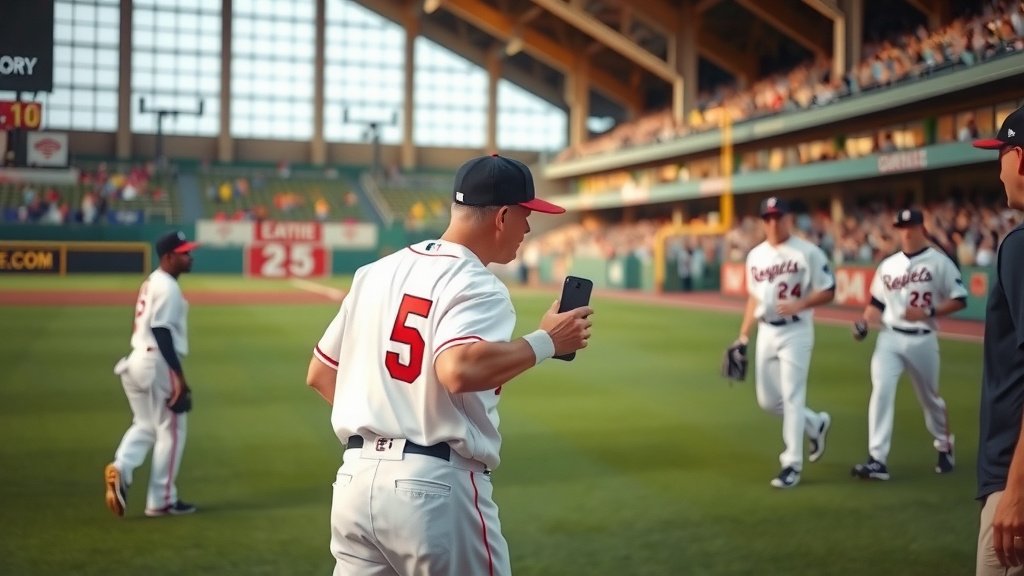
The manager or head coach of a team is usually the one who initiates a replay review. They have a limited window of time to signal their desire for a review after a specific play. Once a review is requested, it goes to the replay official.
There are certain situations where umpires can initiate a review themselves. These are typically for obviously missed calls that are reviewable. However, most reviews start with a manager’s challenge. Each team has a limited number of challenges they can use per game.
The Replay Process: Step-by-Step
So, what happens once a review is requested? It’s a structured process designed for speed and accuracy.
The Manager’s Challenge
The manager must approach the home plate umpire and signal for a challenge. They usually do this quickly after the play in question. The umpire will acknowledge the challenge, and play will stop. The manager keeps their challenge if the call is overturned. They lose a challenge if the call is upheld.
The Role of the Replay Official
All replay reviews are handled by a designated replay official. This official is located off-site, often in a central replay command center. They have access to multiple camera angles and high-definition footage.
Reviewing the Footage
The replay official examines all available video evidence. They look for clear and obvious evidence to confirm or overturn the umpire’s original call on the field. It’s not about finding any small mistake, but a significant one.
The Decision and Communication
Once the replay official makes a decision, it is communicated back to the umpire crew on the field. The crew chief then announces the decision. The crowd often gets to see the review on the stadium’s video board, too.
Where Does the Replay Happen?
You might picture umpires huddled around a TV in the dugout. That’s not quite how it works. The actual video review takes place away from the field.
Baseball has a centralized replay operation. This means officials review all the footage from a command center. They use sophisticated technology and multiple camera feeds. This setup ensures a consistent and unbiased review process.
What Makes a Call “Obvious”?
The standard for overturning a call is “clear and obvious.” This means the video evidence must overwhelmingly show the original call was wrong. It’s not meant for split-second judgments that are hard to definitively say are incorrect.
We found that this standard helps keep the game moving. It prevents endless debates over very close calls that might still be debatable even with replay. The goal is to fix definite mistakes, not to second-guess every call.
The Impact of Instant Replay
Instant replay has certainly changed the game. It adds a layer of accountability for calls. Many experts say it leads to more accurate outcomes, especially in crucial moments.
Some fans worry about the pace of play slowing down. However, baseball has worked to streamline the process. Most reviews are completed relatively quickly. The technology used ensures we get the right call more often than not.
A Quick Checklist for Replay Reviews
Here’s a quick rundown of what you need to know about replay reviews:
- Managers can challenge specific types of calls.
- Reviews are handled by an off-site replay official.
- Clear and obvious evidence is needed to overturn a call.
- Home runs and close base calls are common reviews.
- The goal is to correct major officiating errors.
- It helps ensure fairness and accuracy in crucial game moments.
Technology Behind the Scenes
The technology involved in replay is quite advanced. Multiple high-definition cameras are positioned throughout the stadium. These cameras capture every angle of the play. The replay official uses specialized software to review and analyze the footage.
We found that the quality of the video is key. High-resolution footage allows for detailed examination of plays. This technology is constantly being updated to improve the review process. It’s a far cry from the grainy replays of past eras.
| Type of Play | Can Be Reviewed? | Who Initiates? |
|---|---|---|
| Home Run (Fair/Foul, Boundary) | Yes | Manager/Coach (with challenge) |
| Out/Safe at Bases | Yes | Manager/Coach (with challenge) |
| Caught or Dropped Ball | Yes | Manager/Coach (with challenge) |
| Obstruction/Interference | Yes | Manager/Coach (with challenge) |
| Ball Hit Infield Fly | No | N/A |
| Check Swings | No | N/A |
Conclusion
You’ve learned how baseball’s instant replay system works to bring more accuracy to the game. It’s not about re-officiating every call, but about correcting clear and obvious mistakes. Managers initiate reviews for specific plays like home runs or close bases. An off-site official examines the video evidence to ensure fairness. This technology helps ensure the right call is made in critical moments. Now that you understand the process, you can better appreciate how replay enhances the game’s integrity. The next time you watch, you’ll know exactly what’s happening behind the scenes.
Frequently Asked Questions
How many challenges does a manager get in a baseball game?
Typically, a manager gets two challenges per game. If their challenge is successful and the call is overturned, they keep that challenge. However, if the original call stands, they lose one of their challenges for that game.
Can umpires on the field initiate a replay review themselves?
Yes, in certain situations, umpires can initiate a review. These are usually for plays where they might have missed a significant call that is reviewable. But most reviews begin with a manager’s formal challenge.
What happens if the video replay is inconclusive?
If the video replay doesn’t provide clear and obvious evidence to overturn the original call, the call on the field will stand. The replay system is designed to correct definite errors, not to second-guess subjective judgments.
Does instant replay slow down the game too much?
Baseball officials have worked to make the replay process as quick as possible. While reviews do add some stoppage, they are generally resolved within a couple of minutes. This is seen as a trade-off for increased accuracy in key plays.
Can a fan appeal a call to get a replay review?
No, fans cannot directly initiate a replay review. Only the manager or head coach of a team has the authority to challenge a call on the field. The umpire crew then consults with the replay official if a challenge is properly made.