
Closed Web Glove: Everything You Need to Know
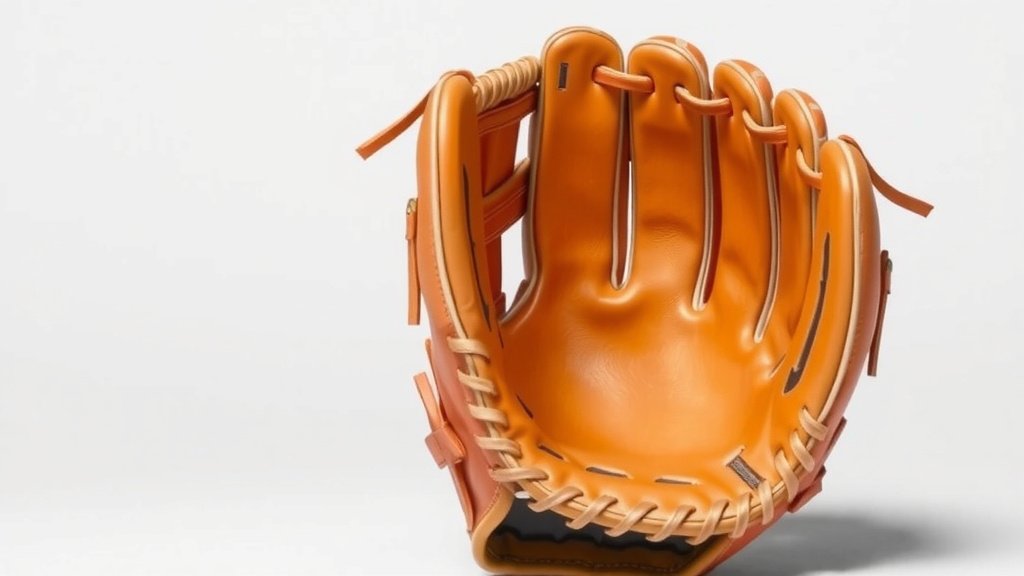
A closed web glove is a type of baseball glove designed with a web that has no visible openings or gaps. This design aims to provide a deeper pocket and a more consistent surface for catching the ball. Think of it as a solid barrier between your hand and the incoming ball, offering maximum security.
These gloves are often favored by players who need a reliable way to secure line drives and fastballs. The solid web construction minimizes the chance of the ball popping out. Many professional players opt for this style due to its defensive advantages. It’s all about creating a dependable catching zone for you.
- A closed web glove has no gaps in its webbing.
- It creates a deeper, more secure pocket.
- This helps prevent the ball from popping out.
- Many infielders and outfielders prefer them.
Ready to learn more about this specialized glove? Let’s dive into the specifics of what makes a closed web glove a great choice for your game.
Understanding Closed Web Baseball Gloves
So, what exactly defines a closed web glove? You’ve probably seen them on the field. They’re the ones with a solid-looking web between the thumb and index finger. There are no spaces for the ball to peek through. Think of it like a more enclosed basket. This design is all about maximizing what players call pocket depth.
Why would a player want this? It’s about security. A closed web can help prevent those frustrating moments when a hard-hit ball pops right back out of the glove. This is especially true for players facing serious heat. The goal is to make sure the ball stays put once it’s in there. Many infielders and outfielders find this feature incredibly useful.
The Mechanics Behind a Closed Web
Let’s break down how these gloves work. The web is essentially a series of leather strips. In a closed web, these strips are woven or stitched together tightly. They create a solid, unbroken surface. This is different from an open web, which might have larger gaps or a mesh-like appearance.
Construction Details
The way the leather is put together is key. You’ll see different types of closed webs:
- Basket Web: This is a common type. It looks like a small basket woven into the glove. It’s very solid and offers great depth.
- I-Web (or H-Web): While often considered more open, some I-webs have very closely spaced vertical lacing. This can make them function very similarly to a closed web in terms of pocket security. They offer good flexibility for infielders.
- Solid Laced Web: Some gloves feature a web made of solid leather panels or very tightly laced strips. This creates a virtually impenetrable barrier.
The materials used also play a role. High-quality leather will hold its shape better. This helps maintain that deep pocket over time. A well-constructed closed web glove can be a real asset for defensive players.
Who Benefits Most from a Closed Web?
While many players can use a closed web glove, certain positions and player types find them particularly advantageous. It really comes down to the type of ball they’re fielding.
Infielders and Their Needs
Infielders often deal with quick ground balls and hard line drives. A closed web can be helpful for scooping up grounders cleanly. It prevents the ball from bouncing out of the webbing as they transition to make a throw. Think about a shortstop snagging a sharp grounder – they need that ball to stick.
Outfielders’ Preference
Outfielders often use gloves with deeper pockets. A closed web contributes to this depth. This is useful for catching fly balls and securing line drives hit with high velocity. The extra security can prevent costly errors, especially in crucial game moments. Many outfielders appreciate the confidence a closed web provides.
Pitchers and Their Strategy
Interestingly, pitchers sometimes use closed web gloves too. They might prefer this for a couple of reasons. Firstly, it can help hide the ball from the batter. A closed web offers a solid barrier that makes it harder for hitters to see the ball’s spin or trajectory before the pitch is released. This element of surprise can be a strategic advantage.
Advantages of a Closed Web Design
Let’s talk about the concrete benefits you get from choosing a glove with a closed web. We found that several key advantages stand out for players.
Enhanced Ball Security
This is the big one, right? The primary benefit is how well it holds onto the ball. With no gaps, the ball is less likely to escape. This means fewer dropped balls and more outs. It’s like having a secure landing pad for the ball.
Deeper Pocket Creation
The construction of a closed web naturally lends itself to creating a deeper pocket. This deeper pocket allows the ball to sink further into the glove. This makes it harder for the ball to pop out, even on very fast pitches or hard-hit balls. It’s a design feature that directly impacts your ability to make plays. We found that a deeper pocket can also make transfers quicker.
Reduced Ball Visibility (for Pitchers)
As mentioned, pitchers often use closed webs. They can effectively conceal the ball before release. This helps prevent batters from getting a good read on the pitch. A pitcher’s ability to keep batters guessing is a key part of their game. This is a less obvious but still important advantage for certain players.
Comparing Closed Webs to Other Styles
It helps to see how closed webs stack up against other common web designs. Understanding these differences can guide your choice.
| Web Type | Description | Primary Benefit | Best For |
|---|---|---|---|
| Closed Web | Solid, no visible gaps. | Maximum ball security, deeper pocket. | Pitchers, outfielders, infielders needing extreme security. |
| I-Web/H-Web | Interlocking leather strips, often with vertical center lacing. | Good balance of flexibility and pocket depth. | Middle infielders, third basemen. |
| Mesh Web | Lightweight, often nylon or synthetic mesh. | Lightweight feel, breathability, quick drying. | Players prioritizing speed and a lighter glove. |
As you can see, each web style serves a purpose. The closed web truly excels when the goal is absolute ball retention. While other webs offer different benefits like flexibility or weight, the closed web focuses on a specific kind of defensive performance.
Choosing the Right Closed Web Glove for You
If you’re leaning towards a closed web, what should you look for? It’s not just about the web style itself. Several factors contribute to a great glove.
Material Quality
Look for gloves made from high-quality leather. This will hold its shape and offer durability. Genuine leather is usually best. We found that premium leather breaks in better and lasts longer.
Glove Size and Fit
Even with a closed web, the glove needs to fit your hand properly. A glove that’s too big or too small will hinder your performance. Try gloves on if you can. Make sure you can close it comfortably.
Personal Preference and Position
Ultimately, the best glove for you is the one you feel most comfortable with. While closed webs are great for security, some players might prefer the feel of a different web. Consider your primary position and playing style. What feels right on your hand is often the most important factor.
Final Thoughts on Closed Web Gloves
A closed web glove is a specialized tool. It’s designed for players who prioritize maximum ball security and pocket depth. Whether you’re a pitcher looking to hide the ball or an outfielder needing to secure deep fly balls, this design offers distinct advantages. It’s a reliable choice for many defensive players looking to build confidence on the field. We found that many players report fewer errors once they switch to a glove that better suits their needs.
Quick Checklist for Your Glove Choice:
- Does it have a solid web with no large gaps?
- Is the pocket deep enough for your liking?
- Does the glove feel secure on your hand?
- Is it made from quality leather for durability?
- Can you comfortably close the glove around a ball?
- Does this web style fit your playing position and needs?
Conclusion
You’ve learned that a closed web glove is a top choice for players who demand maximum ball security. Its solid construction creates a deeper pocket, helping you secure fastballs and line drives with confidence. Whether you’re an infielder needing to snag grounders or an outfielder tracking down fly balls, this glove design offers a reliable defensive advantage. Even pitchers find benefits in its ability to conceal the ball. If you’re looking to reduce errors and feel more secure on the field, consider trying a closed web glove for your next game.
Frequently Asked Questions
Are closed web gloves only for professionals?
No, closed web gloves are not just for professionals. Any player looking for enhanced ball security and a deeper pocket can benefit from them. Many amateur and youth players find them helpful for building confidence and making plays.
Can a closed web glove help me throw faster?
While a closed web glove itself won’t directly increase your throwing speed, its design can indirectly help. A deeper, more secure pocket often leads to quicker ball transfers from your glove to your throwing hand, potentially shaving off valuable seconds.
What’s the difference between a basket web and other closed webs?
A basket web is a specific type of closed web that looks like a woven basket. Other closed webs might use solid leather panels or very tightly laced strips. The goal is the same: to create a solid barrier with no gaps for maximum ball retention.
Will a closed web glove break in differently than an open web glove?
Generally, closed web gloves can take a little longer to break in because the solid web has less initial flexibility. However, once broken in, they tend to maintain their deep pocket shape very well, offering consistent security over time.
How do I know if a closed web glove is right for my position?
If you frequently field fast-moving balls, especially line drives or hard grounders, a closed web can provide extra security. Pitchers often choose them to hide the ball. Outfielders and infielders who prioritize preventing the ball from popping out also benefit greatly.