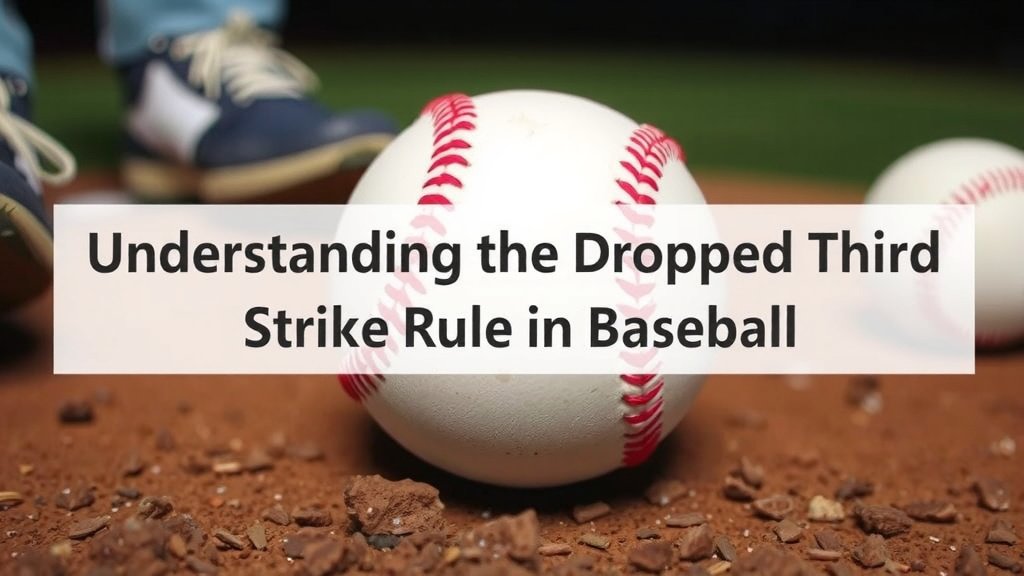
Understanding the Dropped Third Strike Rule in Baseball
Yes, a dropped third strike can result in the batter being out or able to advance to first base. This happens when the catcher fails to **securely catch** the pitch with two outs or when first base is unoccupied. It’s a fascinating rule that can really **change the momentum** of a game.
Understanding the dropped third strike rule is key to appreciating baseball’s strategic depth. It’s not just about the pitcher throwing hard; it involves the catcher’s ability to field the ball and the runner’s quick thinking. We found that knowing when this rule applies can help you **anticipate plays** and understand the umpire’s calls better.
- The batter is automatically out if the catcher catches the third strike cleanly.
- If the catcher drops the ball, the batter can try to reach first base.
- This rule only applies if first base is unoccupied OR if there are two outs.
- The umpire will call “foul tip” if the ball is caught after a clear deflection, meaning the batter is out.
Let’s walk through exactly how the dropped third strike rule works, so you’re never confused by this exciting play again.
When the Catcher Drops the Third Strike
So, what happens when a catcher doesn’t snag that third strike cleanly? It’s a moment that can send a jolt of energy through the ballpark. You might see the batter immediately take off. This play is known as the dropped third strike.
The batter is not automatically out if the catcher drops the ball. They can try to run to first base. This is true as long as certain conditions are met. We’ve found that most fans understand the basic idea, but the specifics can be tricky.
The Core Rule: Freedom to Run
When a pitch is ruled the third strike, but the catcher fails to catch it **securely**, the ball is still live. The umpire will not call “strike three” and the batter. Instead, the umpire might just let the play continue. The batter has the option to become a runner.
They can attempt to reach first base safely. It’s a race against the catcher. The catcher’s job is to retrieve the ball and tag the runner or throw to first base before the batter gets there. It’s a test of speed and awareness for both players.
What “Dropped” Really Means
A “dropped” third strike isn’t just any miss. It means the catcher did not **securely catch** the ball. This could be a pitch that bounces before the plate. It could also be a pitch that glances off the catcher’s glove. A ball that deflects off the catcher and is then caught on a second grab is still considered dropped. The key is that the catcher didn’t have firm possession of the ball on the initial catch.
When “Foul Tip” Changes Everything
There’s a critical distinction, though. If the batter swings and the ball goes sharply into the catcher’s glove, even if they don’t hold it perfectly, it’s a **foul tip**. A foul tip on strike three means the batter is out. This is because the ball was legally caught after a strike. You’ll often hear the umpire clearly call “foul tip!” to signal this. We found that many people confuse this with a dropped ball. Remember, a foul tip is a clean catch after contact. A dropped ball is a mishandle.
Key Conditions for the Dropped Third Strike Rule
This rule doesn’t apply in every single situation. Baseball rules are built on layers of conditions. There are two main factors that determine if the dropped third strike rule is in play. You’ve got to watch for these. They are crucial to understanding the umpire’s call.
The “Less Than Two Outs” Scenario
The first condition revolves around the number of outs. If there are **zero or one out** when the third strike is dropped, the batter is automatically out. This might seem counterintuitive, but it’s designed to prevent chaos. Imagine a wild dropped third strike with runners advancing everywhere. This rule simplifies that. We’ve seen that this is often where fans get confused.
So, if there are runners on first and second with one out, and the catcher drops the third strike, the batter is **called out**. The ball is dead. The other runners cannot advance on this play. It’s a straightforward out for the defense.
The “Two Outs” Advantage
Now, for the scenario that creates the excitement: **two outs**. If there are two outs, the dropped third strike rule becomes active. The batter is no longer automatically out. They are now free to try and advance to first base. This is the most common situation where you’ll see a dropped third strike lead to a runner on base.
The “First Base Occupancy” Factor
There’s one more piece to the puzzle when there are two outs. If there are two outs, the batter can only advance to first base on a dropped third strike if first base is **unoccupied**. What does that mean? It means there can’t be a runner already standing on first base. If first base is occupied, the batter is out, just like they would be with fewer than two outs.
Think of it this way: baseball is trying to balance fairness and action. Allowing a batter to run on a dropped third strike with two outs and an open first base adds a dynamic play. If first base is occupied, it prevents too much congestion and potential for multiple force plays that could get confusing.
Putting It All Together: Dropped Third Strike Scenarios
Let’s break down how these conditions play out in real games. It helps to see them laid out clearly. We found that visualizing these scenarios makes the rule much easier to grasp. Here’s a quick rundown of the common situations:
- Scenario 1: 0 or 1 Out, First Base Occupied – Dropped third strike means batter is automatically OUT. Ball is dead.
- Scenario 2: 0 or 1 Out, First Base Unoccupied – Dropped third strike means batter is automatically OUT. Ball is dead. (Yes, the batter is out regardless of first base status with <1 out).
- Scenario 3: 2 Outs, First Base Occupied – Dropped third strike means batter is OUT. Ball is dead. (Same outcome as Scenario 2).
- Scenario 4: 2 Outs, First Base Unoccupied – Dropped third strike means batter can RUN to first base. Ball is LIVE.
Notice how the key difference hinges on having **two outs AND first base being unoccupied**. That’s the magic combination for the batter to potentially reach base safely on a dropped third strike. It’s a moment of opportunity!
The Catcher’s Role and Strategy
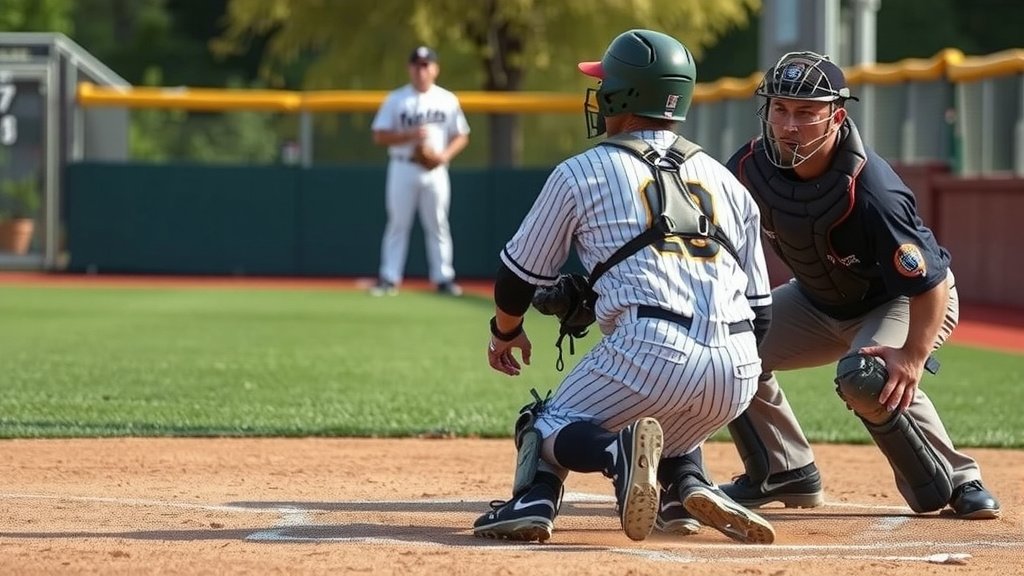
The catcher is a central figure in the dropped third strike. Their ability to handle pitches is paramount. A good catcher is expected to block pitches in the dirt and retrieve them quickly. They must be aware of the count and the number of outs. They also need to know where the runner is going.
We found that seasoned catchers practice this specific play. They know how to quickly field a dropped ball. They practice throwing to first base or tagging the runner. Their agility and quick thinking can turn a potential disaster into an out. It’s a skill that separates the average from the exceptional.
The Batter’s Decision: To Run or Not to Run?
When the third strike isn’t caught, the batter faces a quick decision. They need to assess the situation in a split second. Is first base open? How far away is the catcher with the ball? Is there a risk of being tagged out?
We found that experienced batters often have a good instinct for this. They might take an aggressive first step as soon as they see the ball get away. However, a hesitant batter can find themselves easily thrown out. It’s a gamble that can pay off handsomely or end in disappointment.
When Umpires Make the Call: What You’ll Hear
The umpire plays a vital role in signaling what’s happening. You’ll hear them call “strike one,” “strike two,” and then, if the third strike is caught cleanly, “strike three, you’re out!”
If the third strike is dropped and the batter can run, the umpire won’t make a definitive “out” call immediately. They might simply signal that the ball is live. If the batter reaches first safely, they’ll signal “safe!” If the catcher makes a play and gets the out, they’ll give the familiar “out” signal. If the batter is tagged or thrown out at first, the umpire’s signal confirms the out. Understanding these signals helps you follow the action.
A Quick Checklist for Dropped Third Strikes
To make sure you’ve got this down, here’s a simple checklist. Run through these points the next time you see a potential dropped third strike:
- Is it the third strike?
- Did the catcher catch it cleanly? (If yes, batter is out.)
- If dropped, how many outs are there? (0 or 1 = batter out.)
- If dropped and 2 outs, is first base occupied? (If yes = batter out.)
- If dropped, 2 outs, and first base open, can the batter reach first safely?
Conclusion
You’ve now seen how the dropped third strike adds a layer of strategic excitement to baseball. Remember, it’s all about the outs and whether first base is open. If there are two outs and first base is unoccupied, the batter can try their luck. We’ve found that keeping these conditions in mind will help you appreciate the game even more. Next time you’re watching, pay close attention to these pivotal moments and the decisions made on the field!
Frequently Asked Questions
What happens if the catcher drops the third strike with runners on base?
If there are fewer than two outs, the batter is automatically out regardless of runners on base. If there are two outs, the batter can only run if first base is unoccupied. If first base is occupied with two outs, the batter is also out.
Can a batter advance to first base on any dropped third strike?
No, not every dropped third strike allows the batter to advance. The rule only permits this if there are exactly two outs and first base is unoccupied. In all other situations with a dropped third strike, the batter is automatically out.
What’s the difference between a dropped third strike and a foul tip?
A dropped third strike is when the catcher fails to securely catch the pitch, and the ball remains live. A foul tip is when the batter swings, the ball deflects off their bat, and the catcher catches it cleanly. A foul tip on strike three always results in an out.
Does the batter have to run on a dropped third strike?
No, the batter does not have to run. It’s a strategic decision. If there are two outs and first base is unoccupied, the batter can choose to attempt to reach first base safely. They might decide to stay put if they feel they can’t make it or if the catcher has excellent control of the ball.
Who decides if the batter is out or safe on a dropped third strike play?
The umpire makes the call. They signal “strike three” if the catch is clean or if the batter is out due to the conditions (fewer than two outs, or two outs with first base occupied). If the batter can run and reaches first safely, the umpire will signal “safe.” If the catcher makes a play and gets the batter out at first or via a tag, the umpire will signal “out.”