
Demystifying Baseball Positions: A Complete Guide
Understanding baseball positions is key to grasping the game. Each of the nine positions has a unique role. They are pitcher, catcher, first base, second base, third base, shortstop, left field, center field, and right field. Knowing these roles helps you follow the action on the field.
These nine players work together to get batters out and make plays. From the pitcher throwing the ball to fielders catching it, teamwork is essential. Each position requires different skills, from strong arms to quick feet.
- Baseball has nine distinct defensive positions.
- Each position requires specific skills and responsibilities.
- Pitcher and catcher form the battery, a core duo.
- Infielders handle balls hit on the ground.
- Outfielders cover the deep parts of the field.
Let’s break down exactly what each player does on the field, so you can impress your friends with your newfound baseball knowledge!
Understanding the Nine Positions on the Baseball Field
Baseball is a game of precision and strategy, and each of the nine players on defense has a specific job. You’ve likely heard the terms, but what do they really mean? Let’s dive into the role each player plays.
The Battery: Pitcher and Catcher
These two players form the core of the defense. They work hand-in-hand on almost every play.
The Pitcher: The Ace of the Mound
The pitcher is arguably the most important defensive player. Their main job is to throw the baseball to the catcher. They aim to get the batter out. This can happen by striking them out. It can also happen by inducing weak contact. This allows the other fielders to make a play.
Pitchers need a strong arm. They also need good control. Developing different types of pitches helps them fool batters. They have to stay focused for the entire game. A pitcher’s performance directly impacts the game’s outcome. Many pitchers train extensively to improve their arm strength and stamina (American Sports Medicine Institute).
The Catcher: The Team’s Backbone
The catcher is like the quarterback of the defense. They squat behind home plate. Their job is to receive pitches. They also call pitches sometimes. They communicate with the pitcher about what to throw. This is a vital part of the game. Catchers need to be mentally tough. They often take foul balls off their body.
They also block errant pitches. This prevents runners from advancing. Catchers need quick reflexes. They must have a strong throwing arm. This is for throwing out runners trying to steal bases. They also direct the infielders. This helps position them for plays. Research shows catchers handle a huge workload during games.
The Infielders: The Hot Corner and Beyond
These players cover the area between home plate and the outfield grass. They handle most of the balls hit on the ground.
First Baseman: The Surehanded Receiver
The first baseman plays near first base. Their primary job is to catch throws from other fielders. These throws come when a batter hits the ball. The fielder then throws it to first base. The first baseman must step on the base before the runner. They are often tall. This helps them stretch for throws. They need a good glove. Good hands are essential for scooping up ground balls. They also help cover other bases on certain plays.
Second Baseman: The Gap Filler
The second baseman covers the area between first and second base. They handle ground balls hit to their area. They also cover second base on force plays. This often involves turning double plays. Second basemen need to be quick. They must have good agility. Their range is important. They help field balls hit into the outfield gap. They are key to turning ground balls into outs. Second basemen are key to turning double plays, and our guide explains how to master this skill.
Third Baseman: The “Hot Corner” Guardian
This position is often called the “hot corner.” This is because the third baseman fields hard-hit ground balls. These balls come in quickly. They need incredibly fast reflexes. A strong arm is a must. They often have to throw across the diamond to first base. Third basemen must be fearless. They often dive to stop hard-hit balls. They are vital for preventing extra-base hits.
Shortstop: The Infield’s General
The shortstop plays between second and third base. This is often considered the toughest infield position. They cover a lot of ground. Shortstops need exceptional range. They must have a strong, accurate arm. They are involved in many plays. This includes turning double plays. They field ground balls hit to their side. They also cover second base. Many consider the shortstop the most athletic player on the field.
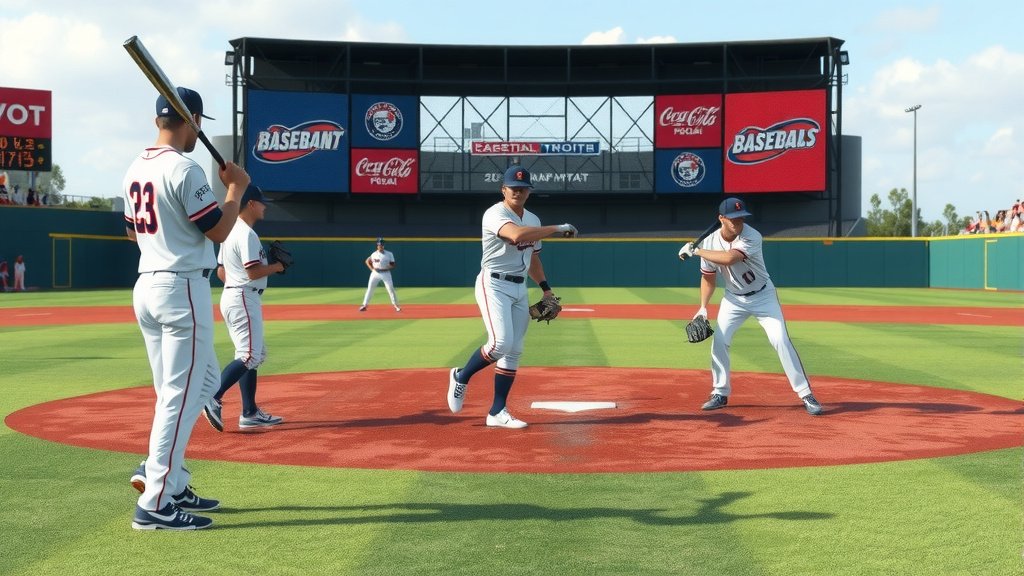
The Outfielders: Covering the Green Pastures
These players patrol the large grassy area beyond the infield. They are responsible for catching fly balls and fielding ground balls that get past the infielders.
Left Fielder: The Deep Left Defender
The left fielder covers the area from the end of the infield to the left foul line. They must be able to catch fly balls. They also field ground balls hit into their territory. A strong arm is helpful for throwing runners out at home plate. They also need good communication skills. This is for calling off other outfielders. They often handle balls hit down the left-field line.
Center Fielder: The Deepest Responsibility
The center fielder plays in the deepest part of the outfield. They cover the most ground. This position requires speed and great range. Center fielders must be able to track down fly balls. They also need to make difficult catches. They are often the captains of the outfield. They communicate with the left and right fielders. They must have a strong arm for long throws. Many experts say center fielders need exceptional vision.
Right Fielder: The Right Side Protector
The right fielder covers the area from the end of the infield to the right foul line. Like the left fielder, they field fly balls and grounders. They also need a good throwing arm. This is especially true for throwing runners out at third base. Right fielders often have to deal with balls hit into the right-field corner. They work closely with the center fielder.
Understanding these roles makes watching baseball much more engaging. You’ll start to see the strategy behind each play.
Here’s a quick rundown to help you remember:
- Pitcher: Throws the ball.
- Catcher: Receives the ball, calls plays.
- First Baseman: Catches throws, steps on first base.
- Second Baseman: Covers second base, fields grounders.
- Third Baseman: Fields hard-hit balls, strong arm.
- Shortstop: Covers lots of ground, strong arm.
- Outfielders (Left, Center, Right): Catch fly balls, field grounders deep.
Conclusion
You now have a solid understanding of each baseball position. You know the pitcher’s power and the catcher’s command. You also know how the infielders handle grounders and the outfielders track fly balls. Each player has a unique role. They all contribute to the team’s success on the field.
Next time you watch a game, pay attention to these specific jobs. You’ll see the strategy unfold. Consider watching a game with a friend and pointing out these roles. You’ll both gain a deeper appreciation for the game.
Frequently Asked Questions
Why is the shortstop often considered the toughest position?
The shortstop covers a large area between second and third base. They need exceptional speed, agility, and a strong arm for quick transfers. Research indicates they handle a high volume of plays, often involving difficult ground balls and crucial double plays.
What makes the third base position so challenging?
This spot is nicknamed the “hot corner” because of the speed of hard-hit balls. Third basemen must react instantly and have incredibly quick reflexes. They often need to make fearless dives and throw across the diamond to first base, requiring a very strong arm.
What’s the main difference between the three outfield positions?
While all outfielders catch fly balls and field grounders, their responsibilities differ. Center fielders cover the most ground and need superior speed. Left fielders often deal with balls hit down the line, and right fielders might have more throws to third base.
Why is the pitcher-catcher battery so important?
The pitcher and catcher work together on nearly every play. The catcher calls pitches, directs the defense, and receives every throw. This constant communication and strategy form the core of the team’s defensive game plan.
Are certain positions more athletic than others?
While every position requires athleticism, certain roles demand more. Shortstops and center fielders are often praised for their range and speed. However, catchers need exceptional agility and stamina, and third basemen require lightning-fast reflexes.