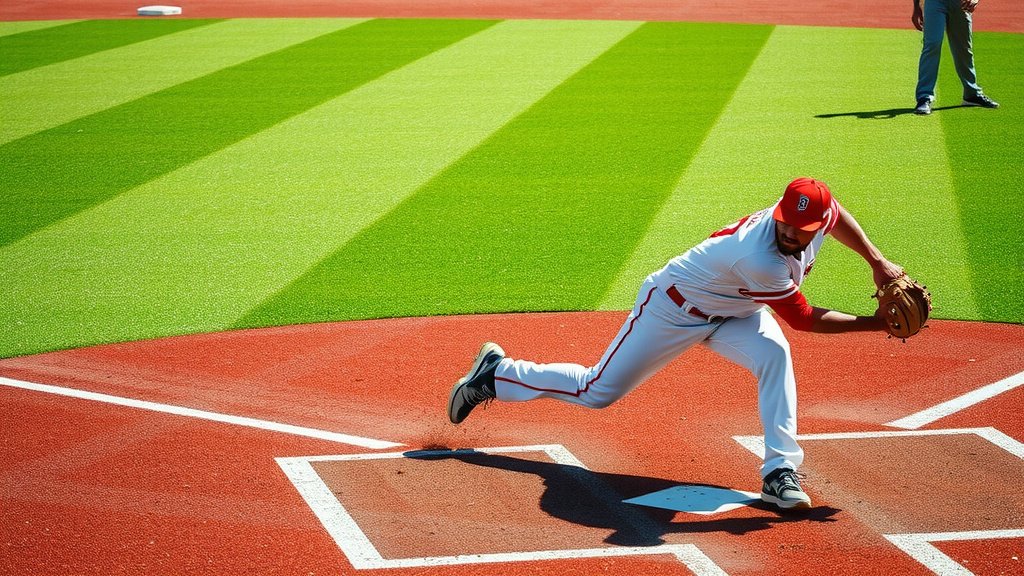
Master the Baseball Double Play: A Step-by-Step Guide
The quickest way to turn a double play is to first field the ball cleanly and then make a fast, accurate throw to the correct base. You’ll need good footwork and a strong arm. Mastering this baseball skill takes practice, but it’s achievable for most players.
A double play is one of the most exciting defensive plays in baseball. It involves getting two outs on a single batted ball. It’s a moment that can completely change the momentum of a game.
- Field the ball cleanly.
- Transfer it quickly to your throwing hand.
- Make a strong, accurate throw to the appropriate base.
- Coordinate with your teammates.
Let’s walk through exactly how to execute this fundamental play step by step.
“`htmlMastering the Baseball Double Play
Turning a double play might seem like magic on the field. But research and experience show it’s really about solid fundamentals. You need to be quick, accurate, and work well with your teammates. It’s a sequence of precise movements. We’ll break down each step so you can understand how it’s done.
The Fundamentals: Fielding the Ball
The double play starts the moment the ball is hit. Your first job is to field it cleanly. This means getting your body in front of the ball. Avoid letting it get past you. A clean field makes everything else easier.
When you field the ball, your glove should be low. This gives you a better chance to snag ground balls. It also helps prevent wild hops. Many players find that keeping their weight on the balls of their feet helps with agility. This allows for quicker reactions to unexpected bounces.
Glove Work and Body Positioning
Your glove is your best friend here. Keep it soft and let it absorb the ball. Don’t try to snatch it hard. Think of it like catching a raw egg – you want to cradle it. This technique is often taught in youth leagues (Little League Baseball).
Your body should be behind the ball as much as possible. This means turning your hips and shoulders. You want to be facing the direction you need to throw. This positioning saves precious time later.
Quick Transfer: The Key to Speed
Once you have the ball in your glove, the next step is the transfer. This is where you move the ball from your glove to your throwing hand. It needs to be as fast as possible. A slow transfer can cost you the out.
Practice transferring the ball repeatedly. Many coaches recommend a “glove-to-hand” motion. This means bringing your throwing hand to your glove. It’s often faster than bringing your glove to your throwing hand. Your fingers should be ready to grip the ball tightly.
Some players develop a “cup” in their glove. This helps cradle the ball for a smoother transfer. Others use a more direct scooping motion. You’ll find what works best for your style with practice.
The Throw: Accuracy and Strength
After the transfer, you need to make a strong and accurate throw. This is where your arm strength comes into play. But accuracy is often more important than raw power. A wild throw can negate a great field.
Targeting the Base
Know where you’re throwing the ball before you even field it. This is called situational awareness. If a runner is heading to second, you know you need to throw there. The throw should be aimed at the chest of the infielder covering the base.
This allows the infielder to catch the ball without having to reach. It makes their job easier and increases the chance of the play being completed. A throw too high or too low makes it difficult.
Arm Action and Release
Develop a fluid throwing motion. Your arm should come over the top, like a pitcher. This generates more velocity and accuracy. Follow through with your throw. This helps ensure the ball stays straight.
Many baseball training programs focus on a good arm whip. This means using your entire body, not just your arm. Your hips and core should rotate into the throw. This adds power and reduces strain on your arm.
Footwork: The Unsung Hero
Good footwork is essential for a double play. It sets up your transfer and throw. Proper footwork helps you get into a good throwing position quickly.
Gaining Ground
When you field a ground ball, you want to gain ground towards your target base. Take a step with your non-throwing foot towards the base. This helps you throw with more momentum. It’s like throwing a dart; you want to step into it.
This stepping motion also helps you get your body in line with your target. Without it, your throw might be off to the side.
The Pivot and Shuffle
For plays involving a force out at second base, footwork becomes even more critical. You’ll field the ball, transfer it, and then often need to pivot or shuffle. This motion gets you in position to throw to first.
Many infielders practice a quick shuffle step. This allows them to turn their body 90 degrees. It helps them throw to first base while still moving forward. This is a skill that takes lots of repetition.
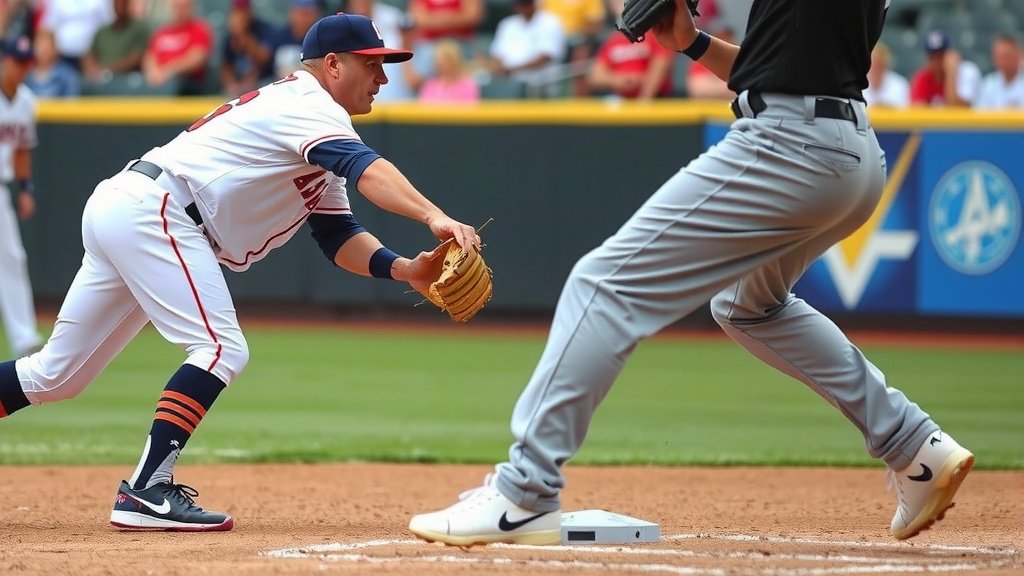
Communication and Teamwork
A double play is rarely a solo act. It requires communication and coordination with your teammates. You need to know who is covering which base.
Calling for the Ball
If you have a play at your base, yell for it. “I got it!” is common. This prevents collisions and confusion. It tells your teammates you are handling the play.
Covering the Bases
The middle infielders often work together. One might field the ball, and the other covers second base. The fielder then throws to the covering player. This requires trust and practice.
The player covering second needs to be in a good position. They should be ready to catch the throw and step on the bag. Or, they might be ready to tag a runner.
Common Double Play Scenarios
Understanding different scenarios helps you react faster. Here are a couple of common ones:
Ground Ball to the Infielders
This is the classic double play. A ball hit on the ground to an infielder (shortstop, second baseman, third baseman, first baseman). The fielder fields it, steps on the base or throws to a covering player, who then throws to first base.
The Bunt Play
A bunt can also lead to a double play. If the bunt is fielded cleanly, the catcher or pitcher might throw to second, and then second to first. This requires quick reactions from the pitcher and catcher.
Drills to Improve Your Double Play Skills
Practice makes perfect, as they say. Here are some drills to sharpen your double play abilities:
- Ground ball drills: Field ground balls from various angles. Focus on clean fielding and quick transfers.
- Throwing accuracy drills: Practice hitting targets at different distances.
- Footwork drills: Work on shuffling and pivoting movements.
- Situational drills: Simulate game situations with a coach or partner.
- Communication drills: Practice calling for the ball and backing up plays.
Many baseball academies offer specialized training. They often use video analysis to help players improve their mechanics.
| Factor | Impact | How to Improve |
|---|---|---|
| Ball Transfer Time | High | Practice glove-to-hand transfers daily. |
| Footwork | High | Work on quick pivots and shuffles. |
| Throwing Accuracy | Medium | Target practice with a partner or net. |
| Decision Making | Medium | Play simulated games and study game footage. |
| Arm Strength | Low to Medium | Consistent throwing program and conditioning. |
Remember, each part of the double play is connected. Improving one area often helps others.
“`Conclusion
Mastering the double play comes down to perfecting a series of swift, precise actions. You’ve learned how crucial clean fielding, a lightning-fast transfer, and an accurate throw are. Your footwork and communication with teammates are just as vital for success. Remember, turning two is a skill built on consistent practice and understanding the fundamentals. So, get out on the field, put these techniques to work, and start turning those potential singles into game-changing outs!
Frequently Asked Questions
What’s the most common mistake players make when trying to turn a double play?
The most common mistake is a slow transfer of the ball from the glove to the throwing hand. This split-second delay can often mean the difference between getting two outs or just one. Practicing your transfer motion repeatedly will help you speed this up.
How important is arm strength for turning a double play compared to accuracy?
While arm strength helps, accuracy is often more important. Research and coaching consistently show that a well-aimed throw to the base, even if not thrown with maximum velocity, is more effective. An accurate throw makes it easier for your infielder to catch and complete the play.
Can a player who isn’t naturally fast turn a double play effectively?
Absolutely. While speed helps, excellent technique can compensate. Focus on your quick hands for the transfer, efficient footwork to gain ground, and smart decision-making. Many skilled infielders rely more on their technique than raw speed.
What’s the best way to practice turning double plays on my own?
You can work on fielding ground balls and practicing quick transfers into a bucket or net. For throwing accuracy, set up targets at different distances. You can also simulate the footwork involved in pivots and shuffles without a ball.
When fielding a ground ball for a double play, should I step on the base first or throw?
This depends on the situation. If you are the infielder closest to the base where the force out needs to happen (like a second baseman on a ground ball to short), stepping on the base first is often quicker and safer. Then, you can pivot and throw to first. If you’re too far from the base, you’ll need to throw to a teammate covering it.