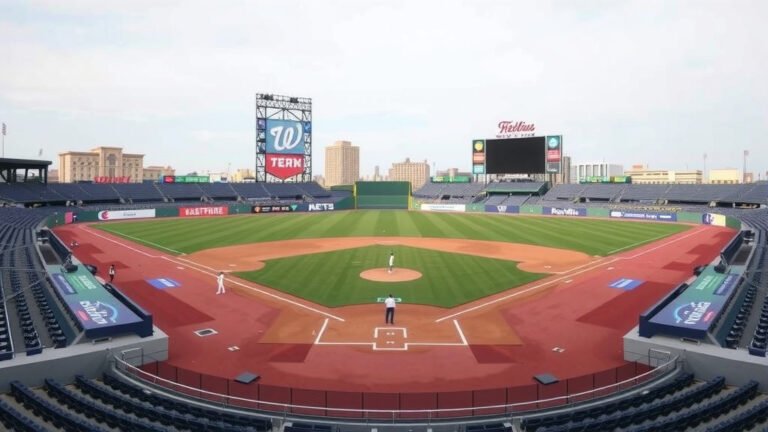

Baseball Rules Explained for New Players
Baseball rules for beginners can seem overwhelming at first. You can understand the basics by focusing on how batters, pitchers, and fielders work together. The goal is to score more runs than the other team. You do this by hitting a thrown ball and running around bases.
Learning baseball rules is key to enjoying the game. You’ll see players take turns batting and fielding. Understanding outs and innings helps track the game’s progress. Knowing the difference between fair and foul balls is also important. We found that focusing on these core concepts makes learning much easier.
- What is a baseball game?
- How do you score a run?
- What are the basic positions?
- What is an out?
- How many innings are in a game?
Ready to learn the ins and outs? Let’s walk through the fundamental baseball rules step by step so you can start enjoying games right away.
Understanding the Fundamentals of Baseball Gameplay
Baseball is a sport of strategy and skill. The main goal is simple: score more runs than the opposing team. You achieve this by hitting a ball and running around a series of bases. We found that focusing on how teams take turns batting and fielding makes the game much easier to follow.
The Two Sides: Offense and Defense
Baseball games have two main phases: offense and defense. One team is at bat (offense), trying to score. The other team is in the field (defense), trying to stop them. These roles switch throughout the game.
Offense: Taking Your Turn at Bat
When your team is on offense, players take turns batting. The batter stands at home plate. Their job is to hit the ball thrown by the pitcher. They want to hit it into fair territory.
After hitting the ball, the batter becomes a runner. They must run to first base. If they can make it safely, they are “on base.” A team keeps batting until they get three outs.
Defense: The Art of Fielding
The defense has nine players on the field. These players try to get batters and runners out. They position themselves strategically across the infield and outfield.
The pitcher is the most important defensive player. They throw the ball toward the batter. Catchers squat behind home plate to receive pitches. The other players are infielders and outfielders, ready to catch or field batted balls.
How to Score a Run: The Journey Around the Bases
A run is scored when a player successfully touches all four bases in order. These bases are first base, second base, third base, and finally, home plate. The runner must touch each base before touching the next.
The runner must make it back to home plate to count as a score. It doesn’t matter if they touch the bases in a perfect straight line. They just need to make contact with each one. This is how teams rack up points.
The Bases and Home Plate
Imagine a diamond shape on the field. Home plate is where the batter stands. First, second, and third bases form the other points of the diamond. Runners advance counter-clockwise from home plate.
A player can advance to a base when a teammate hits the ball. They can also advance on certain defensive errors or walks. It’s a strategic game of advancing runners.
The Basics of an “Out”
An “out” is when the defense successfully stops an offensive player. When a team gets three outs, their turn at bat is over. The teams then switch roles.
Common Ways to Get an Out
There are several ways a player can be called out. These are key to understanding the game’s flow.
- Strikeout: The batter gets three strikes.
- Fly Out: A fielder catches a batted ball before it hits the ground.
- Force Out: A fielder with the ball touches a base before a runner forced to advance reaches it.
- Tag Out: A fielder touches a runner with the ball (or the glove holding the ball) when the runner is not on a base.
We found that understanding these four common outs makes following the game much clearer. For instance, a force out happens when a runner has no choice but to run to the next base. The defense can get them out by simply touching that base with the ball.
What is a Strike?
A strike is called by the umpire for several reasons. A batter can swing at a pitch and miss it. That’s a strike. If they don’t swing at a pitch that passes through the strike zone, it’s also a strike.
The strike zone is an imaginary area over home plate. It’s roughly between the batter’s knees and the midpoint of their torso. A pitch can be called a strike even if the batter doesn’t swing. This is where strategy comes into play for both pitcher and batter.
What is a Ball?
A “ball” is called when the pitcher throws a pitch outside the strike zone. The batter doesn’t swing. If a batter accumulates four balls, they get to walk to first base. This is called a base on balls or a walk.
Walks are a great way for the offense to advance players without hitting the ball. It puts pressure on the defense. Many experts say controlling pitches is vital for a good pitcher (Pitching Coach Magazine).
Innings: The Structure of a Baseball Game
A baseball game is divided into innings. Think of an inning as a complete round. In each inning, both teams get a chance to bat and field. The visiting team bats first, then the home team bats.
After the visiting team gets three outs, they go to the field. The home team then comes up to bat. This continues until the game has a set number of innings.
How Many Innings Are There?
A standard professional baseball game has nine innings. If the home team is leading after the top half of the ninth inning, they don’t need to bat again. The game ends there.
Sometimes, if the score is tied after nine innings, the game goes into extra innings. This means they play additional innings until one team has a lead at the end of a full inning. Some amateur leagues may play fewer innings, like seven.
Fair Ball vs. Foul Ball: Where the Action Counts
Where the ball is hit matters a lot. A “fair ball” is a batted ball that lands or is touched by a fielder within the foul lines. The foul lines extend from home plate through first and third base to the outfield fences.
A “foul ball” is a batted ball that lands or is touched outside these foul lines. Foul balls generally don’t count as hits or outs, unless it’s a foul tip caught by the catcher or a foul fly ball caught by a fielder. Understand what happens when a foul fly ball is caught.
The Importance of the Foul Lines
The foul lines are your guide to fair and foul territory. If a ball rolls along the first base line and stays fair, it’s a fair ball. If it rolls foul, it’s a foul ball. This is a simple way to remember it.
For batters, hitting the ball into fair territory is the main objective. This allows them to run the bases and potentially score. We found that paying attention to the umpires’ calls on fair and foul balls is key to understanding the game’s progression.
Key Positions on the Field
While nine players are on the field, some positions are more central to understanding the action. These include the pitcher, catcher, and middle infielders.
Pitcher and Catcher: The Battery
The pitcher and catcher work very closely. They are often called “the battery.” The pitcher throws the ball, and the catcher receives it. They signal pitches and work together to get batters out.
Infielders and Outfielders: The Fielders
Infielders (first baseman, second baseman, shortstop, third baseman) cover the area near the bases. Outfielders (left fielder, center fielder, right fielder) cover the larger grassy area beyond the infield.
Each position has specific responsibilities. But for a beginner, understanding that they are all trying to catch or field the ball to get outs is enough. Many resources highlight the pitcher’s role as the game’s initiator (Baseball America).
Making Sure You’ve Got It: A Quick Checklist
Here’s a handy checklist to help you remember the basics:
- Goal: Score more runs than the other team.
- Scoring: A run is scored by touching all four bases.
- Turns: Teams alternate between batting (offense) and fielding (defense).
- Outs: Three outs end a team’s turn at bat.
- Innings: A standard game has nine innings, with both teams batting once per inning.
- Fair vs. Foul: Balls hit into fair territory keep the game moving towards scoring.
Conclusion
You’ve now covered the essential baseball rules for beginners! We’ve walked through scoring, outs, innings, and the difference between fair and foul balls. Remember, the goal is simple: score more runs than your opponent by rounding the bases. Understanding how offense and defense take turns is key to following the action. You’re ready to watch or even play! Your next step is to catch a local game or even try a friendly practice session. Focus on what you’ve learned, and you’ll quickly get the hang of it.
Frequently Asked Questions
What happens if a batter hits the ball outside the foul lines?
If a batted ball lands or is touched outside the foul lines, it’s called a foul ball. Generally, foul balls don’t count as a hit and allow the batter to stay at the plate. However, if a fielder catches a foul fly ball before it hits the ground, the batter is out.
How does a team get a “walk”?
A walk, or “base on balls,” happens when the pitcher throws four pitches outside the strike zone that the batter doesn’t swing at. The batter is then allowed to advance to first base automatically. It’s a way for the offense to move a runner without hitting the ball.
What’s the difference between a force out and a tag out?
A force out happens when a runner must advance to the next base because the batter is now on base, and a fielder with the ball touches that base before the runner arrives. A tag out occurs when a fielder touches a runner with the ball (or the glove holding the ball) when the runner is not safely on a base.
Can a game end before nine innings are completed?
Yes, a game can end early. If the home team is ahead after the visiting team bats in the top of the ninth inning, the home team doesn’t need to bat again. Also, if a game is tied after nine innings, it will go into “extra innings” until one team has a lead at the end of a full inning.
What is the “strike zone” in baseball?
The strike zone is an imaginary area over home plate. It’s generally considered to be between the batter’s knees and the midpoint of their torso. Pitches that pass through this zone are called strikes, whether the batter swings or not.