Baseball Glove vs Softball Glove: Key Differences Explained
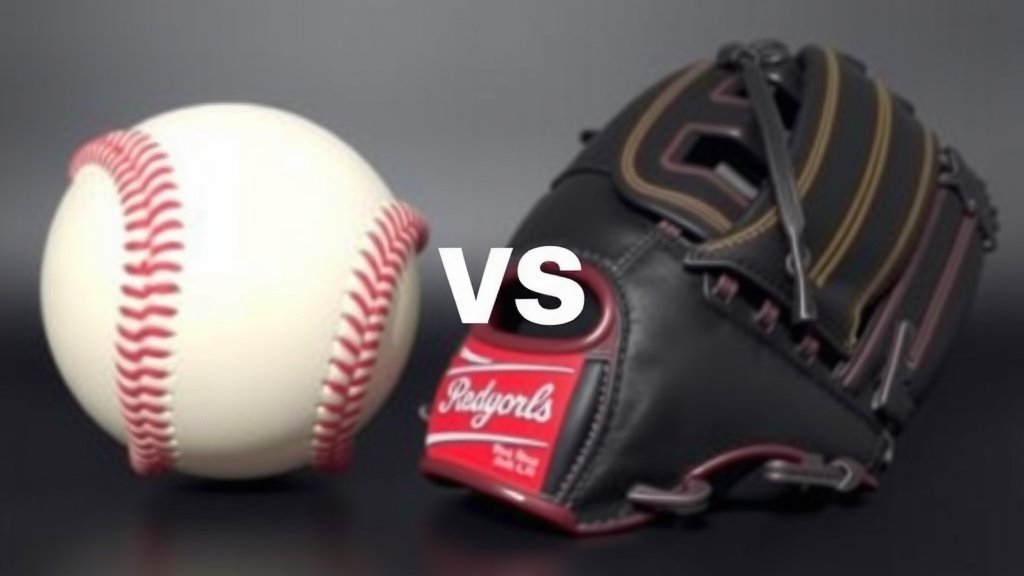
While both are used to catch a baseball or softball, a baseball glove is generally smaller and has deeper pockets than a softball glove. This is because baseballs are smaller than softballs. You’ll want to pick the right one for your specific sport to ensure the best fit and performance on the field.
Choosing the wrong glove can lead to missed catches or difficulty controlling the ball. Many players wonder about the differences in size, webbing, and pocket depth. We found that understanding these distinctions can really make a difference in your game.
- Baseball gloves are smaller.
- Softball gloves have deeper pockets.
- The glove type matters for each sport.
- Proper fit helps improve your play.
Let’s dive into the details and help you understand exactly what makes these gloves different and which one is right for your needs.
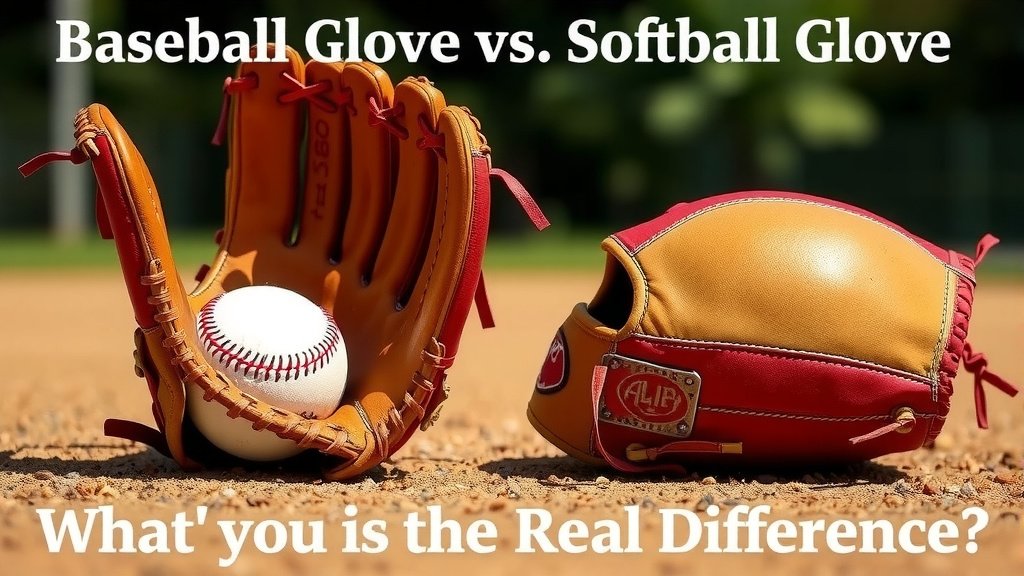
Baseball Glove vs. Softball Glove: What’s the Real Difference?
So, you’re hitting the field and need a glove. But wait, are baseball gloves and softball gloves really that different? We’ve found that while they look similar, there are key distinctions. These differences mainly come down to the size of the ball each glove is designed to catch. Understanding these points can really help you make the right choice for your game.
Understanding the Ball Size Impact
The biggest driver for glove design is the ball itself. A regulation baseball is smaller, typically around 9 inches in circumference. A softball, on the other hand, is considerably larger, often 11 or 12 inches in circumference, and sometimes even more. This size difference is the root of many variations you’ll see between baseball and softball gloves.
How Ball Size Affects Glove Design
Because softballs are larger, softball gloves need to be built to accommodate them. This means they often have wider nets and deeper pockets. Imagine trying to stuff a grapefruit into a small coin purse – it’s not going to be easy! A glove designed for a smaller ball simply won’t work as well for a larger one. We’ve seen players struggle with this, leading to dropped balls and fumbled plays.
Baseball Glove Characteristics
Baseball gloves tend to be smaller overall. This is to help players catch the smaller baseball quickly and securely. The pockets are usually not as deep as a softball glove’s. This allows for faster transfers from the glove to the throwing hand. Many youth baseball gloves might be even smaller, designed for tiny hands and even tinier balls. Our guide to baseball glove costs explains pricing for youth baseball gloves and other types.
Softball Glove Characteristics
Softball gloves are generally larger and wider. They often feature deeper pockets. This extra depth helps to secure the bigger softball. It prevents the ball from popping out when it hits the glove. You’ll also notice that the finger stalls might be a bit wider. This gives players more room to get their hand around the ball.
Key Glove Components: What to Look For
Beyond the general size, several specific features differentiate baseball and softball gloves. We’ve broken down the most important ones to help you see the distinctions clearly. Focusing on these details can mean a big difference in your performance.
Webbing and Pockets: A Deeper Dive
The webbing – that mesh part connecting the thumb and index finger – plays a big role. In baseball gloves, the webbing is often more closed. This helps snag those faster-moving baseballs. Softball gloves sometimes have more open webbing, but the key is the pocket depth.
As we mentioned, softball gloves typically boast deeper pockets. This isn’t just for show. A deeper pocket acts like a catcher’s mitt for a larger ball. It creates a more secure space, reducing the chances of the softball bouncing out upon impact. Think of it as a more forgiving landing spot for a bigger object.
Finger Stalls and Overall Size
The finger stalls on a softball glove are often a bit wider and shorter. This is to comfortably fit the hand around a larger ball. Baseball gloves usually have narrower and longer finger stalls. This provides a snugger fit for a smaller ball and hand.
Overall, baseball gloves tend to be shorter and more compact. Softball gloves are built with more width and depth. We found that this makes a noticeable difference when trying to secure the ball. A glove that fits the ball’s size just feels right.
Material and Durability
Both types of gloves can be made from various materials, like leather or synthetic compounds. High-quality leather is often preferred for its durability and ability to mold to your hand over time. However, the construction will differ slightly to support the different demands of each sport. A softball glove might need reinforced stitching in key areas to handle the impact of a larger, heavier ball.
Which Glove is Right for You?
The answer is pretty straightforward: you generally want a glove designed for the sport you’re playing. If you’re playing baseball, grab a baseball glove. If you’re playing softball, a softball glove is your best bet. Using the wrong glove can feel awkward and hinder your ability to make plays.
When Can You Use Either?
There might be some very limited overlap, especially in recreational leagues or for very young players. For instance, a very large baseball outfielder’s glove might function somewhat for a young softball player. Conversely, a smaller, shallower softball glove might work for an older baseball player needing quick transfers.
However, we strongly recommend sticking to the glove designed for your sport. The performance benefits are usually worth it. Research and common sense suggest that using equipment made for the specific ball size will lead to better results. Many coaches also agree that proper equipment sets players up for success.
Position Matters, Too!
It’s worth noting that within both baseball and softball, different positions often use gloves with slightly different designs. Infielders typically prefer smaller gloves with shallower pockets for quick transfers. Outfielders often use larger gloves with deeper pockets to help secure fly balls. Pitchers might use gloves with closed webs to hide their grip. These are finer points, but they show how glove design is tailored to specific needs.
Quick Comparison Table
To make things even clearer, here’s a quick look at the main differences:
| Feature | Baseball Glove | Softball Glove |
|---|---|---|
| Ball Size | Smaller (approx. 9″ circumference) | Larger (approx. 11″-12″ circumference) |
| Overall Size | Generally smaller and narrower | Generally larger and wider |
| Pocket Depth | Shallower | Deeper |
| Finger Stalls | Narrower and longer | Wider and shorter |
| Webbing | Often more closed | Can be more open, but pocket is key |
Making Your Final Choice: A Checklist
Before you head to the store or click “buy,” run through this quick checklist. It will help you confirm you’re making the right pick:
- Am I playing baseball or softball?
- Does the glove match the ball size?
- Does the pocket feel deep enough for the ball?
- Is the glove size appropriate for my age and hand size?
- Does the glove feel comfortable and secure when I wear it?
- Will this glove help me make quick transfers if needed?
Conclusion
You’ve learned that the core differences between baseball and softball gloves boil down to the ball size each is designed to catch. We found that softball gloves are generally larger with deeper pockets to secure the bigger ball, while baseball gloves are smaller and shallower for quicker transfers of the smaller baseball. Using the right glove for your sport can seriously improve your feel for the ball and your confidence on the field. Now, you’re ready to make an informed choice. Head out there and find a glove that feels like an extension of your own hand!
Frequently Asked Questions
Can I use a baseball glove for softball?
While it’s not ideal, you might be able to use a very large baseball outfielder’s glove for recreational softball. However, we found it often leads to difficulty securing the larger softball and can affect your performance. It’s best to use equipment designed for the specific ball size.
Can I use a softball glove for baseball?
Using a softball glove for baseball is generally not recommended. The larger size and deeper pocket of a softball glove can make it harder to quickly transfer the smaller baseball to your throwing hand. We’ve seen players struggle with this, leading to fumbled plays.
Are softball gloves always bigger than baseball gloves?
Generally, yes. Softball gloves are designed to accommodate a larger ball, so they tend to be wider and have deeper pockets than typical baseball gloves. Even within baseball and softball, glove sizes can vary by position and age group.
Does the webbing really matter that much?
The webbing plays a role, but for softball gloves, the pocket depth is often considered more critical for securing the larger ball. Baseball gloves might have more closed webbing to help snag faster balls. We found that both components contribute to a glove’s function.
How do I know if a glove fits my hand correctly?
A good fit means the glove feels snug but not tight, and your hand can move freely within the finger stalls. When you close your hand, the glove should close comfortably around where the ball would be. We recommend trying on gloves to see how they feel on your hand.