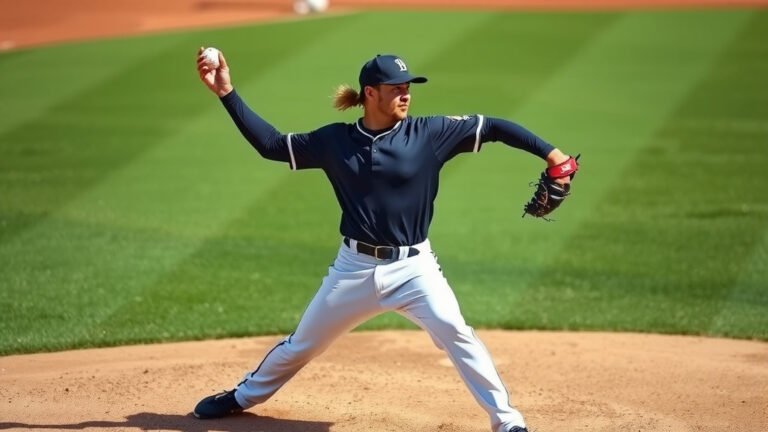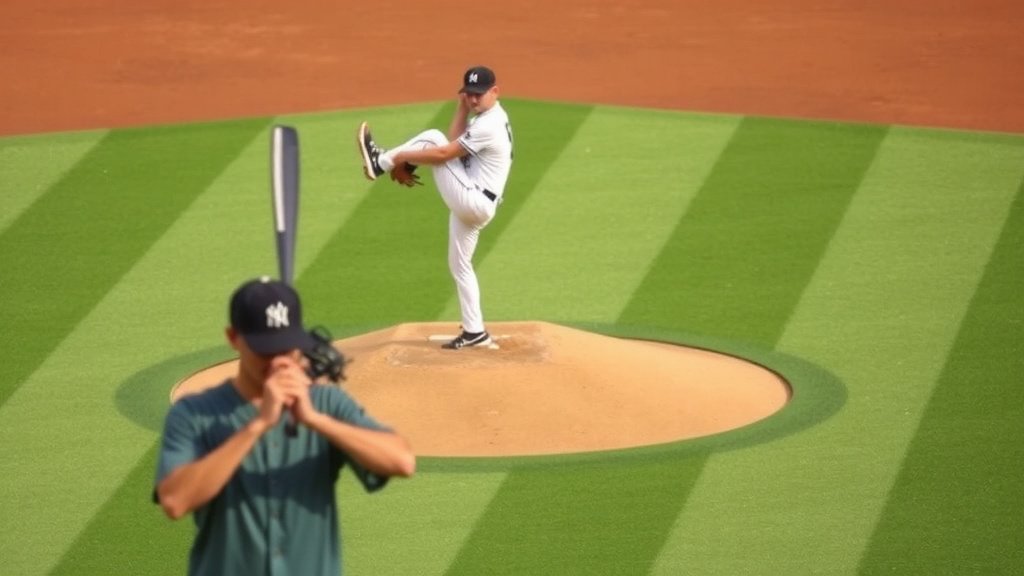
How to Field Your Position as a Pitcher: A Complete Guide
Fielding your position as a pitcher means staying ready on every play — you cover first base on balls hit to the right side, back up throws, and field grounders hit right back at you. The easiest way to get good at it is to know your job before the pitch even happens. When you field your position well, you turn easy outs into real outs instead of blown plays.
Here’s the thing most young pitchers miss: you pitch once, but you field all game long. Coaches we’ve talked to say pitchers who work on their fielding fundamentals give their team a real edge. Think about it — a slow roller back to the mound is one of the easiest plays in baseball, right? So why do so many pitchers fumble it? Usually it’s because nobody taught them the footwork and positioning that make it simple.
- Where to stand and how to stay ready between pitches
- How to field grounders and liners hit back at you
- When and how to cover first base
- How to back up bases without guessing
- Simple drills to sharpen all of it
Below, we break down everything you need to know about fielding your position as a pitcher, step by step. Grab your glove, and let’s get into it. If you’re still building your overall mound skills, our beginner’s guide to playing pitcher covers the fundamentals.
Fielding Your Position: The Complete Guide for Pitchers
The short answer: fielding your position comes down to four jobs — fielding your area, covering first base, backing up throws, and staying ready between pitches. Get those down and you’ll stop being a liability on defense.
Here’s a fact that should light a fire under you. Studies of youth and amateur baseball show pitchers are involved in a large share of defensive plays, simply because so many balls get hit back through the middle of the field. When we dug into coaching resources and research on defensive positioning, we found one consistent theme: the best defensive pitchers treat every pitch like a live play, not a break.
Where to Stand After You Deliver the Pitch
Your job doesn’t end when the ball leaves your hand. Where you go next depends on two things: where the ball is hit and where the runners are. Sounds like a lot, right? It’s really just three scenarios.
Follow the Ball, Then Make Your Move
The golden rule we found across nearly every coaching guide: your first step after release should be toward the plate. Why? Because it keeps you balanced and lets you react in any direction. If you drift off the mound or stare at your catcher, you’re a statue — and statues can’t field grounders.
Think of it like a tennis player’s split step. You don’t know where the ball is going, so you get ready for anything.
Your Three Defensive Zones
Break the field into simple buckets so you never have to think mid-play:
- Balls hit at or near you — field them yourself. That’s your ball, no debate.
- Balls hit to your right — you’re likely covering first base.
- Balls hit to your left or in the air — you’re backing up a base or drifting to help.
Decide your role before the pitch, not after the crack of the bat. Many experts say this one habit separates prepared pitchers from panicked ones.
Fielding Ground Balls Hit Back to the Mound
This is the play you’ll face most, so let’s nail it first. The biggest mistake? Charging with your glove hand instead of your glove side. When we reviewed fielding instruction from established coaching organizations, the advice was universal: catch with two hands, glove up, and step through the catch toward your target.
The Comebacker: Step-by-Step
Here’s the sequence, broken down into bite-size pieces:
- Square your body to the ball and break down into athletic position.
- Keep your glove below the ball on hard hit choppers — you can raise a glove faster than you can lower one.
- Catch with two hands so the ball can’t pop loose.
- Step toward your target with your front foot as you throw.
- Follow through with your arm pointing at the base you’re throwing to.
That last step matters more than people think. Following through keeps your throw online instead of sailing over the first baseman’s head.
Barehand Plays: When to Ditch the Glove
Slow rollers are the classic barehand situation. If the ball is rolling so slowly that scooping with your glove feels awkward, use your bare hand. Cradle the ball, set your feet, and throw. Speed matters here — a clean barehand grab beats a fumbled glove scoop every time.
One warning: never barehand a ball that’s still moving fast. Stinging fingers and a wild throw help nobody.
Covering First Base Like a Pro
Any ball hit to the right side — first or second base territory — means you run to first base. Full sprint, no jogging. The first baseman will either take the play himself or flip it to you; your job is to give him the option.
Footwork at the Bag
Hitting the base the right way is an art form. Here’s the method most coaches teach:
- Run to the inside edge of the base line, near the foul side of first base.
- Touch the base with your right foot as you catch.
- Angle yourself so you’re not blocking the runner’s path — colliding with a runner is a recipe for injuries. Research on youth sports injuries consistently lists collisions among preventable causes of harm, which is why proper footwork matters (CDC).
- Stretch toward the throw only after you’ve secured the bag. Not sure why touching the bag beats tagging the runner? Our simple guide to the force out explains the rule.
If the throw pulls you off the bag, tag the runner or toss to the covering infielder. Live to fight another out.
Communication Is Half the Battle
Yell it or lose it. When you’re covering, say “I’ve got the bag!” loud enough for the first baseman to hear. Many blown plays at first happen because two fielders each assumed the other was taking it. A two-word shout fixes that.
Backing Up Bases the Smart Way
When the ball is hit to your left, or it’s a fly ball, your job shifts to backing up. You’re the safety net behind the throw. If the ball gets past the infielder or the cutoff man, you’re there to keep runners from taking extra bases.
Know Your Backup Spot Before the Pitch
This is where pre-pitch planning pays off. Use this quick reference:
| Situation | Your Backup Job |
|---|---|
| Ball hit to left field or left-center | Back up third base |
| Ball hit to right field or right-center | Back up the middle of the diamond, then first base if the play goes there |
| Any deep fly ball | Sprint to your spot, stop, and watch the play develop |
Notice the word “stop.” Backing up doesn’t mean camping under the play. It means getting to your spot and waiting so the ball can’t skip past you. If you’re still running when the throw arrives, you’ll boot it — and we’ve all seen that blooper reel.

Staying Ready Between Pitches
Downtime is where lazy pitchers live. Resist it. Between pitches, check the runner situation, find your backup spot, and get your head in the game. Many experts say mental lapses between pitches cause more defensive mistakes than raw athletic limits.
A quick trick we found in coaching materials: give yourself a three-second reset after each pitch. Catch the return throw, scan the runners, pick your spot, then focus on the hitter. Repeat. It becomes automatic with practice.
Drills to Sharpen Your Fielding Skills
Want to actually get better, not just read about it? Add these to your practice routine. Start your pre-practice prep with this checklist:
- Warm up your legs and arm before fielding work — pulled hamstrings love lazy warmups.
- Set out a bucket of balls for comebacker reps.
- Recruit a partner or coach to hit grounders at you.
- Mark your backup spots with cones before situational drills.
- Bring a stopwatch to time your sprint to first base and track progress.
- Keep water nearby — fielding reps plus pitching reps add up fast.
Comebacker Ladder Drill
Have a partner hit balls at increasing speed, from slow rollers to rockets. Field each one with proper technique, then sprint to your backup spot. Do this in sets of five. The variety trains you to read ball speed and choose glove versus barehand instantly.
First Base Sprint Drill
Place a ball on the ground near second base. On a coach’s whistle, sprint from the mound to first, touch the bag with your right foot, and catch a flip from a partner. Ten reps. It builds the muscle memory you’ll need when a real ground ball goes to the right side in a tight game.
Back-Up-and-Read Drill
Run a live scrimmage situation: coach hits to the outfield, you sprint to your backup spot, stop, and field any throw that gets through. This one teaches the hardest skill of all — patience under game speed. It also doubles as great conditioning, which studies on youth athletes show supports overall durability when paired with proper rest (NIH).
Common Fielding Mistakes Pitchers Make
Let’s save you some embarrassment by naming the usual suspects:
- Watching your pitch instead of getting ready to field.
- Fielding flat-footed rather than moving through the ball.
- Throwing across your body on comebackers, which pulls throws off line.
- Jogging to first base “just in case” — either sprint or you’re no help at all.
- Backing up while still moving, guaranteeing a misplay.
Notice a pattern? Almost every mistake traces back to a mental lapse, not a physical one. Fix your prep, and your hands will follow.
Conclusion
Fielding your position isn’t a bonus skill — it’s part of your job every time you toe the rubber. You’ve now got the full picture: stay balanced after your release, field comebackers with two hands, sprint to cover first on balls hit right, and back up the correct base before the pitch is even thrown. We found that the pitchers who shine defensively are the ones who treat every pitch like a live play. The good news? None of this requires elite athleticism. It just takes repetition and a plan. So here’s your next step: pick one drill from this guide — we’d suggest the comebacker ladder — and run it at your next practice. Ten minutes of focused work beats an hour of guessing.
Frequently Asked Questions
Should a pitcher field a ball hit to the shortstop or third baseman?
Only if it’s hit right at you or the fielder calls you off — which is rare. Your primary job on balls hit to the left side is backing up third base or the infielder. Don’t crowd your teammate’s play; you’ll create confusion and could cause a collision.
What should a pitcher do on a pop-up near the mound?
Call for it loudly and early if it’s clearly your ball. If an infielder is camped under it and calls you off, yield and slide into your backup role instead. Two players converging on the same pop-up is one of the most common communication breakdowns in baseball.
How do I field my position with a runner on base?
Your priorities shift slightly with runners on. Before every pitch, check the count, the runner’s speed, and the score. On a comebacker with a runner on first, you might throw to second for the lead out rather than first. Decide your throw before the pitch so you’re not deciding mid-play.
Do left-handed pitchers field differently than right-handers?
A little. Lefties fielding a comebacker must be careful with their throwing motion, since their natural follow-through can carry them toward home plate and into the runner’s path. Lefties should step toward first base after fielding, while righties naturally clear toward third. Both should avoid throwing across their body.
Can a pitcher practice fielding without a partner or coach?
Absolutely. Toss a tennis ball off a wall to sharpen barehand catches and glove work. Practice your sprint-to-first footwork solo by timing yourself with a stopwatch. Even shadow reps — visualizing a comebacker and walking through the footwork — build the muscle memory that pays off in games.