What is a Two-Seam Fastball? The Grip & Movement Explained
A two seam fastball is a type of pitch thrown by a baseball pitcher. It’s named for how the pitcher grips the ball. The grip follows the seams that are two stitches apart. This pitch is known for its The grip follows the seams that are two stitches apart.wobbly movement and sinking action.
Many pitchers use this pitch to get ground balls. Its movement can be deceptive to batters. It often looks like a fastball but breaks downward or sideways. This unpredictability makes it a smart choice for many situations.
- It’s a type of baseball pitch.
- The grip follows two seams.
- It has sinking and wobbly movement.
- Often used to get ground balls.
- A smart pitch for many pitchers.
Ready to learn more about this sneaky pitch? Let’s dive into what makes a two seam fastball so effective.
Understanding the Two-Seam Fastball Grip and Movement
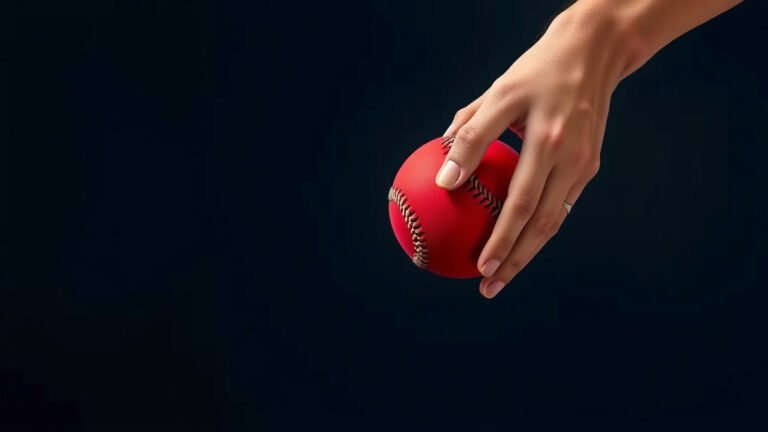
So, what exactly sets a two-seam fastball apart from its four-seam cousin? It all comes down to the way the pitcher grips the ball. Think of a baseball’s seams like a horseshoe. For a two-seam fastball, the pitcher places their index and middle fingers right along the horseshoe-shaped seam, or the seams that are about two stitches apart. This grip is key to the pitch’s unique behavior.
When the ball is released with this grip, it doesn’t spin as cleanly as a four-seam fastball. This less-than-perfect spin creates a bit of wobble. This wobble is what makes the ball dance and deviate from a straight path. It’s like throwing a slightly off-kilter frisbee; it doesn’t fly perfectly true.
The Physics Behind the Wobble
The science behind this movement is pretty neat. Airflow is the main player here. When the ball spins with a two-seam grip, the air doesn’t flow smoothly over all sides. The seams disrupt the airflow, causing areas of lower pressure and higher pressure around the ball.
This pressure difference is what pushes the ball. It’s like the wind catching a sail. As the ball tumbles and wobbles, these pressure differences shift. This constantly changing push is what makes the pitch break or sink unpredictably. It’s not magic; it’s just some clever physics at play!
How a Two-Seam Fastball Differs from a Four-Seam
You might be wondering, “What’s the big deal with just one seam?” The difference is actually quite dramatic. A four-seam fastball is gripped across the widest part of the seams, resembling a figure eight. This allows the ball to spin more uniformly, like a perfectly thrown spiral.
Because of this clean spin, a four-seam fastball travels faster and straighter. It’s the workhorse pitch for many pitchers, designed to overpower hitters with pure velocity. The two-seam, on the other hand, trades some of that raw speed and straightness for deceptive movement.
Grip Variations and Their Effects
While the basic idea is to grip two seams, there’s some room for variation. Pitchers can adjust how tightly they grip the ball and the exact placement of their fingers on the seams. Some might hold it a bit tighter, leading to a more pronounced sinker action. Others might relax their grip slightly, allowing for more of a side-to-side movement.
We found that even small changes in finger pressure can alter the pitch’s trajectory. This means that a two-seam fastball isn’t just one static pitch; it can be manipulated to suit a pitcher’s style and the hitter they’re facing. It’s a truly versatile pitch in a pitcher’s arsenal.
The Result: Movement and Velocity
The trade-off for this movement is typically a slight decrease in velocity compared to a four-seam fastball. Think of it as the universe balancing things out. While a four-seamer might top out at 95 mph and stay relatively straight, a two-seamer might be thrown at 92 mph but with a noticeable drop or run.
This difference might seem small, but to a batter trying to square up a pitch, it’s huge. That slight sink or break can make the difference between a solid hit and a swing and a miss, or worse, an easy ground ball. Many studies show that slight deviations in a pitch’s path can significantly increase a hitter’s difficulty (Baseball Research Journal).
Why Pitchers Choose the Two-Seam Fastball
So, when does a pitcher decide to throw this wobbly wonder? The two-seam fastball is a fantastic pitch for inducing weak contact. Batters often expect a fastball to be straight and hard. When it suddenly drops or moves sideways, their timing is thrown off.
We found that this pitch is particularly effective against hitters who like to pull the ball. The sinker action can cause them to hit the ball on the ground, which is often what a pitcher wants. It’s a smart strategic choice for many situations, especially when looking for a ground ball out.
Getting Ground Balls: The Two-Seamer’s Specialty
This is where the two-seam really shines. The sinking action is a pitcher’s best friend when there are runners on base and fewer than two outs. A ground ball can lead to a double play, turning a potential rally into an easy out. A ground ball can lead to a double play, turning a potential rally into an easy out.
It’s not just about getting outs; it’s about getting the right kind of out. A fly ball can be a home run, but a ground ball is often just an out. The two-seam helps pitchers achieve that goal. It’s a favorite for pitchers who have good control and want to keep the ball on the ground.
Situational Pitching with the Two-Seamer
While it’s great for ground balls, the two-seam isn’t limited to just one scenario. Pitchers might throw it when they need a strike, especially if they have two strikes on the batter. The movement can fool a hitter looking for a fastball they can drive.
It’s also a great pitch to mix in when a hitter is sitting on a regular fastball. The change in movement can keep hitters guessing. We’ve seen many successful pitchers use it effectively in late-game situations to close out innings or games. Its unpredictability is its greatest asset.
Mastering the Two-Seam Fastball: Key Takeaways
Learning to throw an effective two-seam fastball takes practice. It’s about finding that sweet spot in your grip. You want enough pressure to create the desired movement, but not so much that you sacrifice all your velocity. Pitching coaches often spend time refining this grip with their players.
It’s a pitch that rewards patience and good mechanics. Remember, it’s not just about throwing hard; it’s about throwing smart. This pitch allows you to do just that. Mastering it can add a whole new dimension to your game, making you a much tougher opponent to face.
Checklist for Understanding the Two-Seam
- Grip is along two seams, not four.
- Causes a wobbly or unpredictable spin.
- Results in sinking or running movement.
- Often slightly slower than a four-seam fastball.
- Excellent for inducing ground balls.
- A valuable tool for strategic pitching.
Conclusion
You’ve learned that the two-seam fastball isn’t just a different way to grip a baseball; it’s a smart strategic pitch. Its unique grip creates that signature wobble and sink, making it harder for hitters to make solid contact. We found that this makes it perfect for getting ground balls and setting up double plays. While it might give up a little velocity compared to a four-seam, its deceptive movement is a pitcher’s secret weapon. If you’re looking to become a more versatile pitcher, mastering the two-seam is a great next step. Practice that grip and feel the difference it can make!
Frequently Asked Questions
What is the main difference in grip between a two-seam and a four-seam fastball?
The key difference lies in how you place your fingers on the seams. For a two-seam, you grip along the seams that are about two stitches apart, often in a horseshoe shape. A four-seam grip runs across the widest part of the seams, resembling a figure eight.
Why does a two-seam fastball move so much compared to a four-seam?
The grip on two seams disrupts the ball’s spin, causing it to wobble as it travels. This imperfect spin makes the airflow around the ball uneven, creating pressure differences that push the ball and cause it to sink or run.
Is a two-seam fastball slower than a four-seam fastball?
Generally, yes. The trade-off for the movement a two-seam provides is a slight decrease in velocity compared to a four-seam fastball. While a four-seamer aims for pure speed, a two-seamer sacrifices a little speed for deception.
What kind of hitters is a two-seam fastball most effective against?
This pitch is particularly effective against hitters who tend to pull the ball. The sinking action can cause them to hit the ball on the ground, which is often an easier out for the defense, especially when trying to turn a double play.
Can pitchers control the movement of a two-seam fastball?
Yes, pitchers can influence the type and amount of movement. Small adjustments to finger pressure and the tightness of the grip can lead to more sink, more run, or a combination of both, allowing pitchers to tailor the pitch to specific situations.