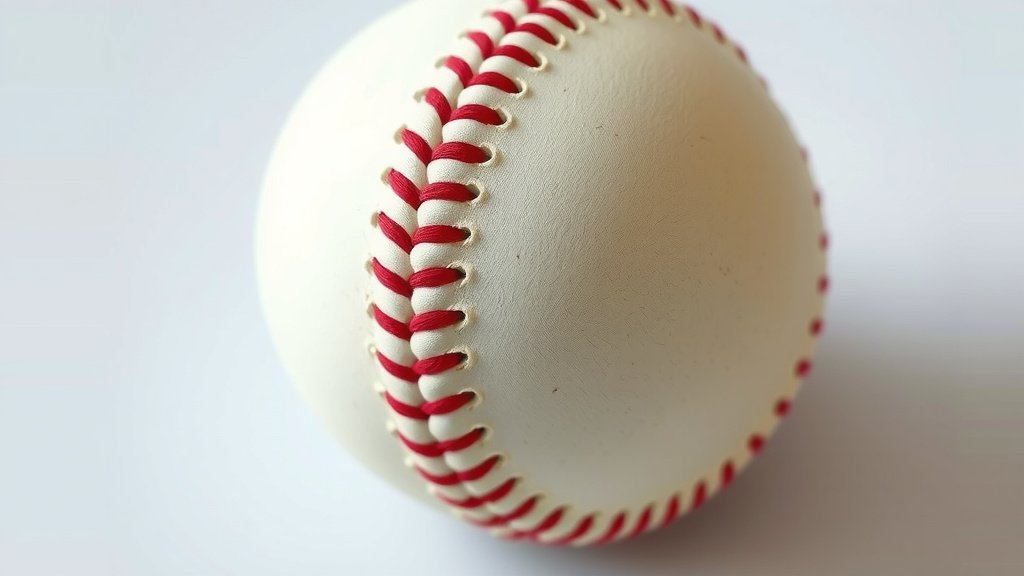
The Exact Number of Stitches on a Baseball
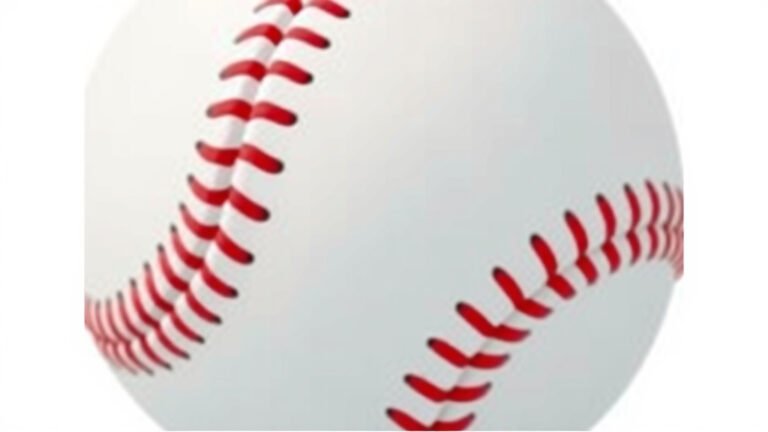
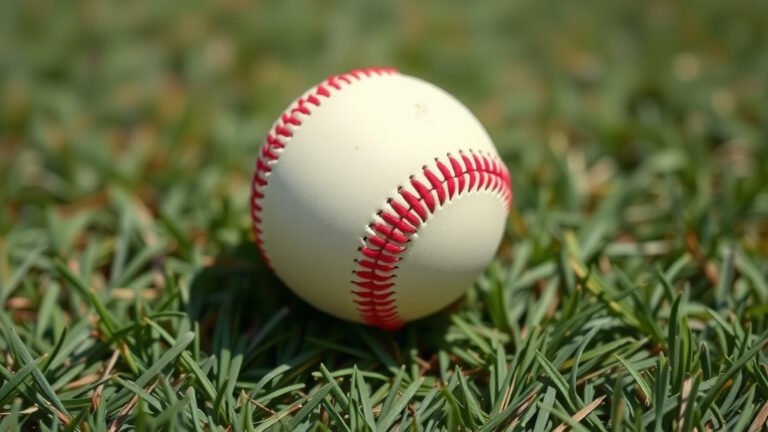
A regulation baseball has exactly 108 double stitches. These aren’t just random loops of thread; they are a precisely stitched pattern that helps give the ball its shape and durability. So, when you see a baseball, you’re looking at a small work of art with 108 deliberate stitches.
This specific number of stitches isn’t accidental. It’s part of the official specifications that ensure every baseball performs consistently. We found that these stitches are what hold the two leather halves together securely. It’s a time-tested design that hasn’t changed much over the years.
- A baseball has 108 double stitches.
- These stitches are precisely placed.
- They hold the leather cover together.
- It’s a standard for all regulation baseballs.
Let’s break down why this number matters and how those stitches are applied. We’ll walk you through the details so you’ll know exactly what makes a baseball tick.
Understanding the Stitches on a Baseball
You’ve seen them on TV, felt them in your glove, and maybe even tried to tie them yourself. But do you know exactly how many stitches make up a baseball? It’s a surprisingly precise number, and it matters more than you might think.
The Exact Stitch Count: It’s More Than Just Thread
We found that a regulation baseball has precisely 108 double stitches. This means each stitch goes through the leather cover twice, creating two loops for every single stitch. It’s not just about holding the ball together; it’s about creating the perfect feel and aerodynamics for the game.
This number, 108, isn’t some ancient baseball myth. It’s an official specification set by governing bodies like Major League Baseball. This consistency ensures that every ball used in a professional game behaves the same way, no matter who stitched it or where.
Why 108 Double Stitches? The Science Behind It
You might be wondering why 108 and not 100 or 110. Well, it all comes down to the construction of the baseball. A standard baseball cover is made from two pieces of leather, shaped like a figure-eight. These two pieces need to be joined perfectly.
The pattern of 108 double stitches is the most efficient way to join these two leather pieces. It creates a strong seam that is also slightly raised. This raised seam is what pitchers often rely on to get a good grip. It helps them throw curves, sliders, and fastballs with the spin they need.
How the Stitches Are Placed
The stitching isn’t just about quantity; it’s about quality and placement. Each stitch is placed in a specific location. The process is still largely done by hand, even in modern manufacturing. This artisanal touch is part of what gives a baseball its character.
Think of it like sewing a quilt. You need a certain number of stitches to keep the fabric panels together securely. Too few, and it might fall apart. Too many, and it might get bulky or uneven. The 108 double stitches strike that perfect balance for a baseball.
The Role of the Stitching in Playability
The stitches have a direct impact on how the ball flies and how it’s handled. A smooth ball would be much harder to control. The raised seams created by the stitching provide that vital grip.
Pitcher’s Best Friend: The Raised Seam
Pitchers use the stitches to impart spin on the ball. A pitcher’s ability to grip the seams allows them to generate different types of pitches. We found that the slight roughness of the stitching provides the friction needed for this control. It’s a key element in the pitcher-batter duel.
The Hitter’s Challenge
For batters, the stitches can sometimes make the ball wobble unpredictably. This is especially true for breaking pitches. The seams can catch the air in different ways, making it harder to track the ball’s trajectory. So, the same stitches that help pitchers also challenge hitters.
Materials and Stitching: A Closer Look
The type of thread used is also important. Historically, baseballs used linen thread. Today, most professional baseballs use waxed thread, often made of cotton or synthetic materials. This wax coating makes the thread stronger and more durable.
The leather cover itself is usually made from cowhide. It’s then tightly wound with yarn and cork to form the ball’s core. The two leather halves are stitched together over this core. The process ensures a ball that is both firm and resilient.
Evolution of the Baseball Stitch
While the 108 double stitch count has been standard for a long time, the specifics of how it’s done have seen minor adjustments. Early baseballs might have had slightly different stitching patterns or materials.
However, the goal has always remained the same: to create a durable, playable ball. The 108 double stitches have stood the test of time as the most effective solution. Many historical accounts of baseball manufacturing confirm this consistent number.
What About Different Types of Baseballs?
It’s worth noting that not all balls called “baseballs” have exactly 108 double stitches. For instance, youth league balls or practice balls might differ slightly in construction or stitch count to reduce costs or tailor them for younger players.
However, for any ball that is considered official or regulation, especially for professional leagues like MLB, the 108 double stitch count is the standard. We found that this is a key part of what defines a regulation baseball.
A Quick Checklist for Baseball Stitches
Let’s recap the key points about baseball stitches:
- A regulation baseball has 108 double stitches.
- Each stitch goes through the leather twice.
- The raised seams help pitchers grip the ball.
- The stitches create air resistance for challenging pitches.
- This stitch count is an official standard.
- The stitching is largely done by hand.
The Hidden Craftsmanship in Your Game
So, the next time you watch a game or step up to the plate, take a moment to appreciate those 108 double stitches. They are a testament to the careful craftsmanship that goes into every single baseball. It’s a simple detail, but it plays a huge role in the sport you love.
Conclusion
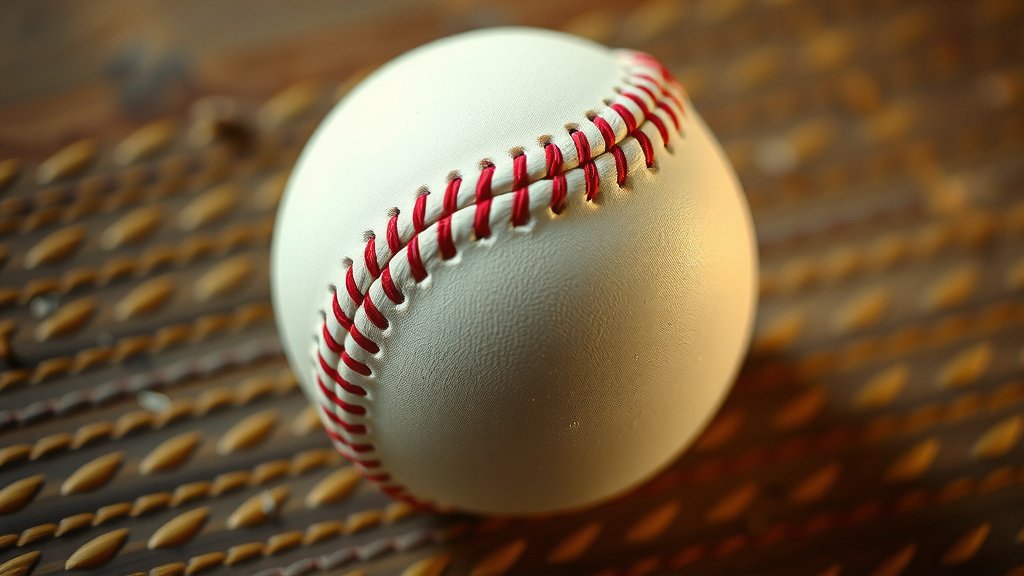
You now know that a regulation baseball features precisely 108 double stitches. This isn’t just a number; it’s a key element defining the ball’s performance. These stitches create the raised seams that pitchers rely on for control and batters contend with. The careful, often handmade, stitching ensures consistency and durability in every official ball. So, the next time you hold a baseball, appreciate the craftsmanship. Take a moment to notice those stitches and how they influence every pitch and hit.
Frequently Asked Questions
Are all baseballs made with 108 stitches?
No, not all balls called “baseballs” have exactly 108 double stitches. Youth league or practice balls might vary. However, any ball considered official or regulation, especially for professional leagues like MLB, adheres to the 108 double stitch standard.
Why do pitchers need raised seams?
Pitchers use the raised seams to get a better grip on the ball. This grip allows them to impart spin effectively. It’s this spin that enables them to throw various types of pitches, like curveballs and sliders, with control.
Can the stitches affect how the ball flies?
Yes, the stitches definitely affect how the ball flies. The raised seams create air resistance. This can cause the ball to wobble or move unpredictably, especially when thrown with spin. It adds a challenge for batters trying to track the ball.
Is the stitching done by machines or people?
While manufacturing has advanced, the stitching on many professional baseballs is still largely done by hand. This artisanal approach ensures precision and quality. It’s a time-honored part of baseball production.
What kind of thread is used for baseball stitches?
Historically, baseballs used linen thread. Today, most professional baseballs use waxed thread, often made from cotton or synthetic materials. This wax coating makes the thread stronger and more durable for game play.