
Baseball Position Numbers: Every Player’s Guide
In baseball, each defensive position is assigned a number for scorekeeping. These numbers help fans and scorekeepers quickly identify who is playing where on the field. You’ll see numbers Each team has nine players on the field when they’re on defense, and this guide explains who they are.1 through 9 assigned to the most common positions. Understanding these numbers makes following the game much easier.
For instance, the pitcher is number 1, and the catcher is number 2. First base is number 3, followed by second base at 4, and third base at 5. The outfield positions have numbers 6, 7, 8, and 9. Many sources agree these numbers are a standardized system used globally. It’s a simple way to track player movements.
- The pitcher wears #1.
- The catcher is #2.
- First base is #3.
- Second base is #4.
- Third base is #5.
- Shortstop is #6.
- Left field is #7.
- Center field is #8.
- Right field is #9.
Now that you have a quick overview, let’s dive into each position and its corresponding number so you can become a scorekeeping pro!
You’ve got the basics down from the intro – the pitcher is #1, the catcher is #2, and so on. But have you ever wondered why these numbers are used and what they really mean for each player on the field? It’s more than just a way to mark positions; it’s a quick code that helps everyone, from seasoned fans to new scorekeepers, understand the game’s flow. Let’s break down what each number signifies.
Understanding Baseball’s Numerical Code
The numbers you see assigned to baseball positions aren’t random. They form a standardized system known as the numerical scoring system. This system originated to simplify the process of recording plays in a scorebook. It allows for quick notation of who fielded a ball or who made an out. Many experts agree this system has been in place for decades, evolving to become a global standard (Baseball Hall of Fame). It’s a universal language for baseball.
The Infield and Their Numbers
The infield is where most of the action happens. It’s a tight-knit group of players working together. Their numbers reflect their general area of play. You’ll find the core of the infield defense here.
The Pitcher: #1
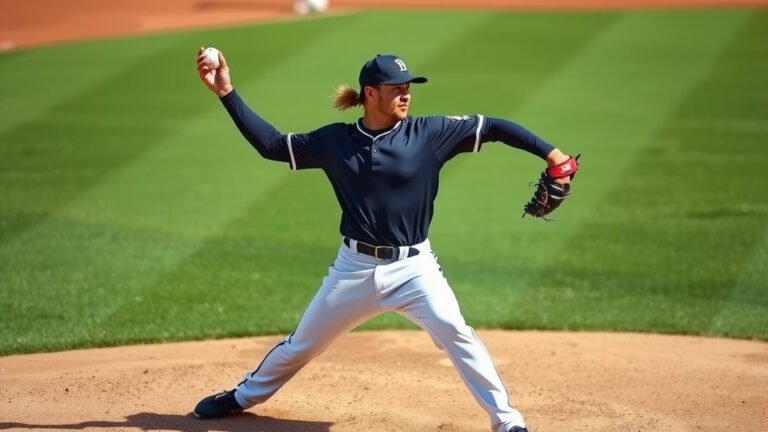
The pitcher is quite literally the centerpiece of the defense. Number 1 is assigned to the pitcher, the player who throws the ball to the batter. Their role is dynamic, involving not just pitching but also fielding batted balls in their vicinity. They need to be aware of runners and support plays at first base too. It’s a position that requires immense skill and stamina.
The Catcher: #2
Behind home plate, you’ll find the catcher, designated as number 2. This player is the pitcher’s direct partner. They receive every pitch that isn’t hit. Catchers also call pitches, block balls in the dirt, and throw out runners attempting to steal bases. Their position is physically demanding and requires exceptional game knowledge. Many former catchers say the mental aspect is as tough as the physical one.
First Base: #3
The first baseman, or number 3, has a crucial role. Their primary job is to catch throws from other infielders to get runners out at first base. They often stretch their glove towards the runner. This position requires good reflexes and a large catching radius. They also need to be agile enough to field ground balls hit near them. The physical demands can be high, especially on their knees and back.
Second Base: #4
Number 4 is the second baseman. This player covers the area between first and second base. They are often involved in turning double plays. They also field ground balls and line drives hit to their side of the infield. A good second baseman has quick feet and a strong arm. Many players find that covering so much ground is a constant challenge.
Third Base: #5
The hot corner is manned by the third baseman, number 5. This is often considered one of the toughest positions. They deal with hard-hit ground balls and line drives coming their way at high speeds. Quick reactions and excellent reflexes are essential. A strong arm is a must for making throws across the diamond. It’s a position where you can’t afford to hesitate.
The Outfield and Their Numbers
The outfielders are responsible for covering the vast territory beyond the infield. They chase down fly balls and field ground balls that get past the infielders. These players need speed and good judgment of how far a ball will travel.
Shortstop: #6
Technically an infielder, the shortstop is often grouped with the outfielders in terms of their importance in covering large areas. Number 6 is the shortstop. This player covers the area between second and third base. They are often considered the leader of the infield. Like the second baseman, they are vital for turning double plays and need a strong arm and great range. Their position is challenging due to the variety of plays they must make.
Left Field: #7
Number 7 patrols left field. This player covers the part of the outfield to the left of center field from the batter’s perspective. They field fly balls and ground balls hit into their territory. They also back up throws to the infield. A good left fielder needs decent speed and a reliable glove. Some research suggests that left fielders may face slightly fewer challenging plays on average than center or right fielders, but this can vary greatly by ballpark.
Center Field: #8
The center fielder, number 8, is arguably the most demanding outfield position. They cover the largest area of the outfield. This player needs exceptional speed, great range, and the ability to track down fly balls hit to any part of center field. They often act as the “captain” of the outfield, directing traffic and backing up the corner outfielders. Their arm strength is also important for making long throws.
Right Field: #9
Last but not least, number 9 is the right fielder. This player covers the part of the outfield to the right of center field. They handle fly balls and grounders hit into their zone. Right fielders often have strong arms, especially in ballparks where the right field wall is deep or has unusual dimensions. They must also be prepared to back up throws from the infield. It’s a position that requires a keen eye and good anticipation.
A Quick Reference Table
To make it even easier to remember, here’s a handy table summarizing all the positions and their numbers. Keep this handy when you’re watching a game or filling out your own scorebook!
| Position | Number |
|---|---|
| Pitcher | 1 |
| Catcher | 2 |
| First Base | 3 |
| Second Base | 4 |
| Third Base | 5 |
| Shortstop | 6 |
| Left Field | 7 |
| Center Field | 8 |
| Right Field | 9 |
Becoming a Scorekeeping Pro
Now that you know the numbers, you’re well on your way to understanding baseball scorekeeping. It’s a skill that enhances your appreciation of the game. Keep these numbers in mind, and you’ll find yourself following plays more easily. You’ll also impress your friends with your newfound knowledge!
Here’s a quick checklist to help you master these numbers:
- Memorize the pitcher (#1) and catcher (#2) first.
- Link the infield bases: 1st (#3), 2nd (#4), 3rd (#5).
- Remember the shortstop (#6) is the key infielder.
- Group the outfielders: Left (#7), Center (#8), Right (#9).
- Practice identifying players by their number on TV.
- Try scoring a game yourself using these numbers!
Conclusion
You’ve now mastered baseball’s numerical code! Understanding these numbers transforms how you watch and score the game. From the pitcher’s #1 to the right fielder’s #9, each number signifies a vital role on the field. This system simplifies complex plays into an easy-to-read language. Now, you’re ready to not just follow the game but to truly appreciate its mechanics. Your next step? Grab a scorebook, head to a game, and put your new knowledge to the test!
Frequently Asked Questions
Are there any other numbers used in baseball besides 1-9?
While the primary defensive positions use numbers 1 through 9, you’ll sometimes see other numbers on players’ jerseys. These are typically for designated hitters or relief pitchers who might not have a regular starting position. Some players may also wear numbers outside this range for personal reasons. However, for standard defensive plays, 1-9 is the code you need.
Why did baseball start using numbers for positions?
Baseball started using this numerical system primarily to make scorekeeping faster and more accurate. Before numbers were standardized, scorekeepers had to write out full position names, which took more time. This system allows for quick notations of who handled the ball or made the out, streamlining the recording of every play.
Is the numbering system the same in professional baseball and Little League?
Yes, the numerical defensive scoring system is standardized across virtually all levels of baseball, from youth leagues to Major League Baseball. This ensures consistency and makes it easier for fans, players, and coaches to communicate about the game regardless of the league. It’s a universal baseball language.
What if a player switches positions during a game, does their number change?
A player’s assigned number is generally tied to their jersey and their primary position, not a specific spot on the field they might play temporarily. If a player like a pitcher moves to an outfield spot, they still wear their original number. The scorekeeper simply notes the new defensive position they are playing in the scorebook, not the number itself changing.
Can a team have two players wearing the same number?
In most professional leagues, especially Major League Baseball, teams try to avoid assigning the same number to multiple players on the active roster. This helps prevent confusion for scorekeepers and fans. However, in some lower leagues or during spring training, it’s more common to see duplicate numbers as rosters are larger and less finalized.