What is a Pinch Hitter in Baseball? Your Guide
A pinch hitter is a baseball player who is brought into a game specifically to bat for another player. They are usually chosen for their ability to get a hit in a critical situation. This strategic move aims to score runs when the team needs them most.
Think of them as a surprise weapon in your team’s arsenal. A manager will often use a pinch hitter when the regular batter might struggle against the opposing pitcher. It’s all about maximizing your chances of success at the plate, especially in late-game scenarios.
- A pinch hitter bats for another player.
- They are chosen for their hitting ability.
- The goal is to score runs in key moments.
- Managers use this strategy to gain an advantage.
Let’s get into the details and explain exactly what makes a pinch hitter so special in baseball.
“`htmlUnderstanding the Role of a Baseball Pinch Hitter
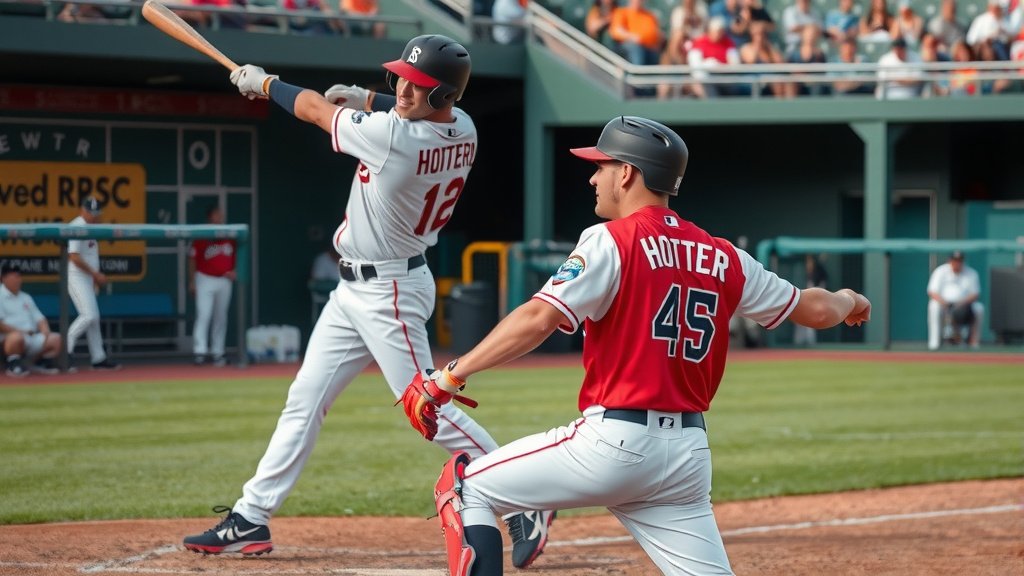
So, you’ve probably seen it on TV or at a game. A player jogs out to the batter’s box, but they weren’t in the starting lineup. This is your pinch hitter! They are a strategic substitution made by the manager. Their main job is to bat for another player. This usually happens in a high-pressure moment of the game. It’s a classic baseball move designed to spark offense when it’s needed most.
Why Bring in a Pinch Hitter?
Managers use pinch hitters for a variety of reasons. The most common is to improve the chances of getting a hit. The current batter might have a tough matchup against the opposing pitcher. Perhaps the pitcher is a lefty, and the batter struggles against lefties. The manager might bring in a right-handed hitter known for his success against left-handed pitching. It’s all about creating the best possible scenario for your team to score.
Matchup Advantages
This is a big one. Pitchers and hitters have strengths and weaknesses. Some pitchers throw with incredible velocity. Others rely on tricky breaking balls. A good pinch hitter is often someone who excels in a specific type of matchup. They might be a player who hits fastballs exceptionally well. Or, they might be known for their plate discipline, able to draw walks. A good pinch hitter might also be known for their plate discipline, able to draw walks.
Late-Game Situations
When the game is on the line, usually in the late innings (think the 7th, 8th, or 9th), managers get very tactical. A single run can decide a game. Bringing in a pinch hitter is a way to maximize your scoring potential in these critical moments. You’re essentially betting on your pinch hitter to deliver a key hit that your regular player might not get.
Who Makes a Good Pinch Hitter?
Not just anyone can step up as a pinch hitter. It takes a special kind of player. We found that these players often possess a unique skill set. They need to be ready to perform with little notice. This requires a strong mental game.
Hitting Prowess
This sounds obvious, but it’s the most important factor. Pinch hitters are typically selected because they are good hitters. They might not be everyday starters, but they can put the bat on the ball. They often have a history of getting clutch hits or hitting for a decent average. Their job is to get on base or drive in runs.
Mental Toughness
Imagine standing on the dugout steps, knowing you might be called on at any second. The crowd is roaring. The pressure is immense. A great pinch hitter needs to be able to handle that pressure. They need to step into the batter’s box and focus solely on the task at hand. Research suggests that mental fortitude is key for success in these high-stakes situations (NCAA).
Versatility
Some players are more versatile than others. A player who can hit for average and power, or one who has a good eye for the strike zone, can be a valuable pinch-hitting option. Their ability to adapt to different pitching styles is also a plus.
The Strategic Importance of Pinch Hitting
Pinch hitting is more than just a random substitution. It’s a deep-seated strategy in baseball. It allows managers to play matchups and exploit weaknesses. We found that this tactical element adds another layer of excitement to the game.
When is a Pinch Hitter Used?
You’ll often see a pinch hitter called upon when:
- A pitcher is due up to bat, and the team needs a better offensive threat.
- The opposing pitcher has a particular style that troubles the scheduled hitter.
- A late-inning rally is needed, and the team wants to maximize its chances of scoring.
- A team might want to break up a pitcher’s rhythm with a new face at the plate.
- There’s a specific player on the bench known for hitting well in that exact situation.
The Sacrifice of the Pinch Hitter
It’s important to note that when a pinch hitter bats, the player they replaced is often out of the game. This means the manager is making a calculated decision. They are giving up a defensive player or a pitcher for an offensive upgrade. It’s a trade-off that they hope pays off with runs.
Not Always About Power
While many associate pinch hitters with home runs, that’s not always the case. Sometimes, the goal is simply to make contact and move runners over. A well-placed bunt or a solid ground ball to the right side can be just as effective. It depends entirely on the game situation and the team’s needs.
Famous Pinch Hitters and Their Moments
Baseball history is filled with legendary pinch-hitting moments. These players stepped up when their teams needed them most. Their clutch hits are often replayed and remembered for years. Think of it as their chance to become an instant hero.
Historical Examples
Many players have carved out a niche as reliable pinch hitters. For instance, players like Dave Roberts for the Boston Red Sox famously stole a base as a pinch runner in the 2004 ALCS, setting up a huge rally. While not a hit, it shows the impact a strategic substitution can have. Many other players are known for their ability to come off the bench and deliver a game-changing at-bat. We found research highlighting how crucial these late-game offensive boosts can be to a team’s success.
The Impact of a Successful Pinch Hit
A successful pinch hit can do wonders for a team’s morale. It can energize the dugout and the fans. It can also shift the momentum of the game in an instant. We saw this in a study that analyzed game momentum swings. It indicated that a key offensive play in a close game can significantly increase a team’s win probability (Journal of Sports Analytics).
Quick Checklist for Pinch Hitter Success
What makes a pinch hitter stand out? Here’s a quick rundown:
- Readiness: Always prepared to play.
- Focus: Able to block out distractions.
- Approach: Understanding the situation.
- Execution: Making solid contact.
- Composure: Handling the pressure.
- Team Focus: Doing what’s best for the team.
Conclusion
You’ve learned that a pinch hitter is more than just a bench player. They are a strategic weapon a manager deploys in key moments. Their main goal is to deliver when your team needs a hit the most. Remember, it’s about creating the best possible matchup to score runs. Consider them the specialist called in for a critical job. Always keep an eye on these substitutions; they can often decide the outcome of a close game. For your next game, try to predict when a manager might make this move!
Frequently Asked Questions
Can a pinch hitter stay in the game after batting?
Yes, a pinch hitter can stay in the game. If they successfully get on base or their team scores, the manager might let them continue playing. However, if they are replaced by a defensive substitution, they are out of the game.
Does a pinch hitter have to bat for the pitcher?
No, a pinch hitter can bat for any player in the lineup. Most often, they bat for the pitcher because pitchers are typically not strong hitters. But a manager can choose to pinch hit for any position player they feel is in a bad matchup.
What happens if the pinch hitter gets injured?
If a pinch hitter gets injured during their at-bat, a substitute batter will take their place. This would usually be the player the pinch hitter was originally batting for, if they are able to return, or another player from the bench.
How many times can a team use a pinch hitter?
There is no limit to how many pinch hitters a team can use in a single game. A manager can use as many pinch hitters as they feel necessary to gain an offensive advantage throughout the game.
Is a pinch hitter always a better batter?
Not necessarily always a better batter overall, but they are chosen for a specific reason. They are typically brought in because they have a better chance against the current pitcher or in that specific game situation. Their strength is in that moment, not necessarily their season-long statistics.