
What is a Putout in Baseball Explained Simply
A putout in baseball is officially recorded when a defensive player gets an offensive player out. It’s a fundamental way a team stops the other from scoring. Think of it as a successful defensive play that ends an offensive player’s turn at bat. The most common putout happens when a fielder catches a batted ball before it hits the ground.
Getting an out is essential to winning a baseball game. Each out brings your team closer to ending the inning. A putout can happen in many ways, from a simple catch to a fielder tagging a runner. Understanding what counts as a putout helps you appreciate the game’s strategy. It’s a key stat for both pitchers and fielders.
- A putout is when a fielder gets a batter or runner out.
- It’s a core part of baseball defense.
- Fielders get putouts by catching balls or tagging runners.
- Every out brings the defense closer to ending the inning.
- It’s a key statistic in baseball.
Ready to learn more about how these defensive plays are made? Let’s walk through exactly how a putout works in different baseball situations.
Understanding Defensive Actions in Baseball
A putout is a baseball term. It’s how we count defensive successes. When a fielder ends an offensive player’s time on the field, it’s a putout. This happens many times every game. It’s a simple concept but vital to the game’s flow. You’ll see putouts happen on fly balls, ground balls, and when runners are tagged out.
How Fielders Achieve a Putout
Fielders have several ways to record a putout. These are the most common methods you’ll witness during a game. Each one requires skill and quick thinking.
Catching the Ball
The most frequent putout happens when a fielder catches a batted ball. This is often called an “in-field fly” or simply a “fly out.” The ball must be caught before it touches the ground. This is true for pop-ups, line drives, and fly balls hit into the outfield. The fielder secures the ball, and the batter is out. It’s a direct result of the batter’s action meeting the fielder’s skill.
Tagging a Runner
Another way to get a putout is by tagging a runner. A runner is out if a fielder touches them with the ball (or the glove holding the ball). This usually happens when a runner is trying to advance to the next base. The fielder must have possession of the ball to make the tag. This is common on force plays at second or third base, or when a runner is trying to steal.
Force Plays
A force play is a specific situation where a putout can be recorded. This occurs when a runner is *forced* to advance to the next base. This happens because the batter becomes a runner. The fielder only needs to touch the base the runner is forced to advance to while holding the ball. They don’t need to tag the runner directly in this case. This is very common at first base. A force play is a specific situation where a putout can be recorded, which our guide to force outs explains.
Batter is Out at First Base
When a batter hits a fair ball, they become a runner. They must run to first base. If a fielder with the ball touches first base before the batter arrives, it’s a putout. This can be a ground ball hit to an infielder. The infielder fields the ball and throws it to the first baseman. The first baseman catches the ball and steps on the base. That’s a putout. Sometimes, the first baseman fields the ball themselves and steps on the base.
Batter Interferes with Play
Occasionally, a batter can be called out for interference. This usually involves impeding a fielder’s ability to make a play. For example, if a batter runs into a fielder trying to field a ground ball. This results in a putout for the fielder. It’s a less common, but valid, way to record an out.
The Role of Assists
While we’re talking about putouts, it’s good to mention assists. An assist is awarded to a defensive player who helps get an offensive player out. This is usually by throwing the ball to another fielder who then records the putout. For instance, the shortstop fields a ground ball and throws to the first baseman. The shortstop gets an assist, and the first baseman gets the putout.
Distinguishing Putouts from Assists
It’s important to know the difference. The player who makes the final out is credited with the putout. The players who helped make that out happen by fielding or throwing the ball get an assist. You’ll often see both stats for infielders on the same play.
Putouts in Different Baseball Scenarios
Let’s look at some specific game situations. How does a putout work in each case?
Ground Balls
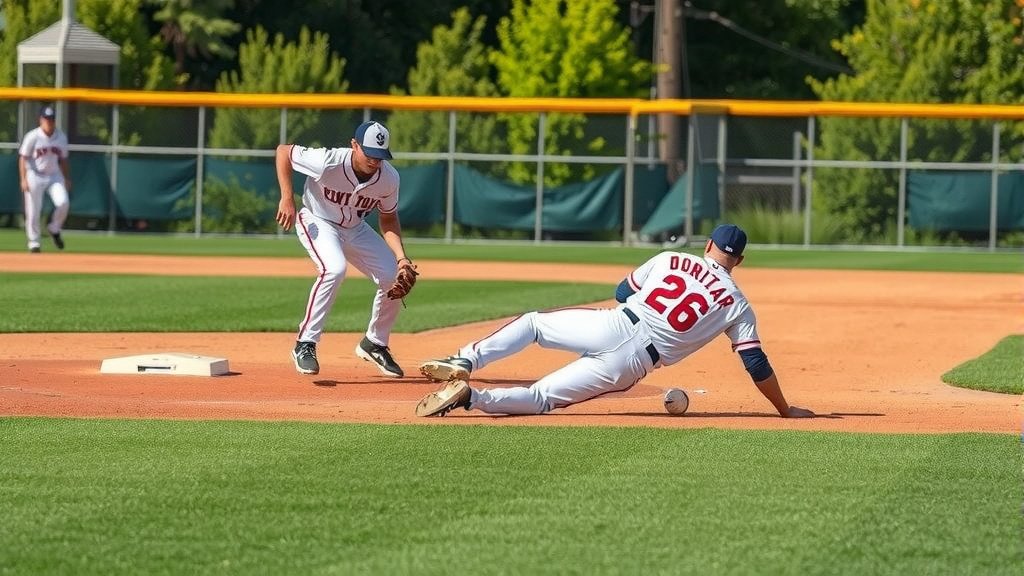
When a batter hits a ground ball, fielders react quickly. An infielder might field the ball. They can then try to tag a runner or throw to another base. If they throw to first base and the batter is retired, that’s a putout for the first baseman. If the play is at another base, the fielder who tags the runner or touches the base gets the putout.
Fly Balls and Line Drives
Catching a fly ball or a line drive is a direct putout for the outfielder or infielder who catches it. No other players are involved in the official recording of that out. The batter is out the moment the ball is securely in the fielder’s glove.
Pop-Ups
A pop-up is a type of fly ball hit high into the air. It usually lands in the infield. Any infielder can try to catch it for a putout. If the ball is dropped, it becomes a live ball. The batter can try to run to first base. The fielder would then need to get the ball and tag the runner, or get the ball to first base before the runner arrives.
Fielder’s Choice
A fielder’s choice isn’t a putout for the batter. It happens when a fielder chooses to try and get a runner out instead of the batter. For example, a runner is on first base. The batter hits a ground ball to the shortstop. The shortstop decides to try and throw out the runner at second base. If they succeed, the runner is out. The batter is safe at first base. The shortstop would get an assist, and the second baseman would get the putout.
The Significance of Putouts for Pitchers
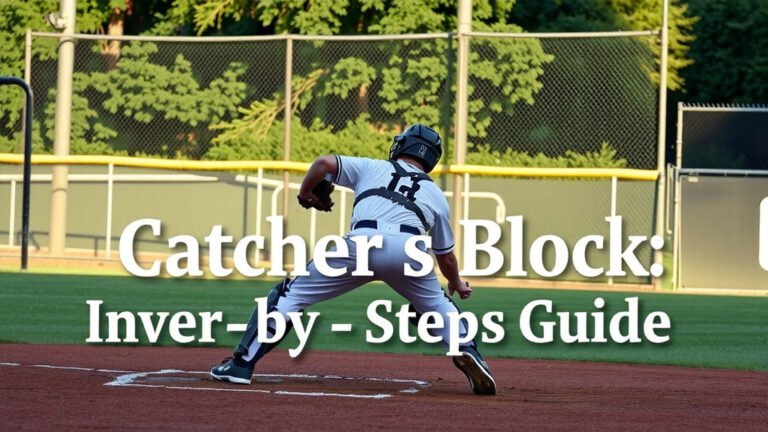
Pitchers often rely heavily on their fielders. A pitcher throws the ball, and the defense makes plays. Many putouts are a direct result of the pitcher’s successful pitch. For example, striking out a batter results in a putout for the catcher. The catcher is credited with the putout because they caught the third strike. This is why you’ll often see catchers with high putout numbers. A strikeout results in a putout for the catcher, and our guide explains the dropped third strike.
Strikeouts and Putouts
A strikeout is a specific type of putout. When a pitcher throws a third strike that the batter doesn’t hit, the batter is out. The catcher is officially credited with the putout. This is a key statistic for catchers, reflecting their ability to handle pitches and frame them effectively.
Putouts vs. Errors: A Crucial Distinction
Understanding putouts also means understanding what is *not* a putout. An error is charged when a fielder fails to make a play that should reasonably have resulted in an out. This might be a dropped ground ball or a wild throw. When an error occurs, the offensive player is not charged with a putout. This is a really important distinction for evaluating player performance.
When a Play Goes Wrong
Let’s say a shortstop fields a ground ball cleanly but then throws it away. The batter reaches first base safely. The shortstop might have had an easy out if the throw was accurate. Instead, they are charged with an error. No putout is recorded on that play for the defense. The batter lives to hit another pitch.
A Quick Checklist for Identifying Putouts
Here’s a simple way to remember what counts as a putout:
- A fielder catches a batted ball in the air.
- A fielder tags a runner with the ball.
- A fielder with the ball touches a base to force a runner out.
- A catcher catches a third strike.
- A fielder makes a play that retires a batter or runner directly.
Conclusion
You now understand that a putout is the fundamental way a fielder successfully gets an offensive player out. Whether it’s a diving catch, a clean tag, or a force play at a base, these plays are essential for any defense. Mastering these actions helps you appreciate the skill involved. Remember, every putout brings your team one step closer to victory. Keep an eye out for these plays during your next game and see how they shape the outcome!
Frequently Asked Questions
What’s the difference between a putout and an assist?
A putout is credited to the fielder who makes the final action to get an out. An assist is given to a fielder who helped make that play possible, usually by fielding or throwing the ball before the putout occurs. You often see both on a single play.
Does a strikeout count as a putout?
Yes, a strikeout absolutely counts as a putout. When a pitcher throws a third strike that the batter doesn’t hit or bunts foul, the catcher is credited with the putout. This highlights the catcher’s role in defense.
When does a fielder get a putout on a ground ball?
A fielder gets a putout on a ground ball in a couple of ways. They can field the ball and tag a runner before they reach a base, or they can throw the ball to another fielder who then retires the runner at the base. A first baseman often gets a putout by stepping on first base with the ball before the batter arrives.
What happens if a fielder drops the ball? Is it still a putout?
No, if a fielder drops a ball that they should have reasonably caught or handled, it’s typically ruled an error, not a putout. The offensive player is not retired on that play. The fielder would need to recover and make a subsequent play to get an out.
Can a pitcher get a putout without help from fielders?
A pitcher can get a putout on a strikeout, as the catcher is credited with the putout. While a pitcher might field a comeback grounder for a putout themselves, they often rely on their fielders for most other putouts. Their primary job is to induce batters into making outs.