
What Is A Rundown In Baseball? A Simple Explanation
A rundown in baseball is when the defense throws the ball to multiple bases in a single play. The goal is to get the runner out. It’s a **quick series of throws** that can happen on any ball put in play. Think of it as an **active defensive sequence**.
This type of play often happens when a runner tries to advance extra bases on a hit. The defense works together to **control the runner’s advance**. It’s a key part of baseball strategy to limit damage and get outs efficiently. You’ll see it when a ball is hit into the outfield.
- A rundown is a defensive play.
- It involves throwing the ball between bases.
- The defense tries to get a runner out.
- It happens when a runner tries to advance.
Let’s break down what makes a rundown happen and how teams try to execute them.
Understanding the Rundown Play in Baseball
A rundown is a specific type of play in baseball. It happens when a runner is caught between bases. The defense then tries to tag the runner out. This often involves a series of quick throws. It’s a dynamic moment you’ll often see unfold on the field.
How Does a Rundown Start?
Rundowns usually begin when a runner tries to stretch a hit into an extra base. Or, they might try to advance on a wild pitch or passed ball. They’re caught off guard by good defensive play. The ball is hit, and the runner sprints for the next base. A strong throw from the outfield or infield cuts them off.
The runner then has to decide whether to keep going or retreat. This is where the rundown officially begins. The defense has an advantage because the runner is in a vulnerable position. They have to make a decision quickly.
The Mechanics of a Rundown
Once a runner is stranded between bases, the defense springs into action. The goal is simple: get the runner out. This usually involves one infielder having the ball and chasing the runner. They will throw the ball to another infielder who is covering the base the runner is heading towards or retreating from. The goal is simple: get the runner out. Our guide to force outs explains how this happens.
The Chase and the Toss
Imagine the runner is between first and second base. The ball is thrown to the first baseman. The first baseman now has the ball and starts advancing toward the runner. The runner tries to get back to first base. Meanwhile, the second baseman or shortstop covers first base. The first baseman will then throw the ball to the fielder covering first base. This creates a back-and-forth situation.
Tagging the Runner Out
The defense wants to keep the ball away from the runner. They’ll make short, quick throws. This prevents the runner from easily advancing. The runner is essentially trapped. They have to keep moving. The fielders try to trap them without throwing the ball too hard. A hard throw could go past a fielder and help the runner. This is why you see fielders sometimes running alongside the runner while holding the ball.
The key is to get the runner in a position where they can be tagged. This means getting them close to a base. The fielder with the ball will try to tag the runner. Or, they will throw to a teammate who is in a position to make the tag. It’s a controlled chaos that the defense orchestrates.
Why Does a Rundown Happen So Often in Certain Situations?
Rundowns aren’t usually planned plays. They are reactions to a runner’s aggressive baserunning or a defensive mistake. We found that aggressive runners are more likely to find themselves in a rundown. They try to take that extra base on a hit. They might also try to steal a base and get caught in a rundown.
Runner’s Decision-Making
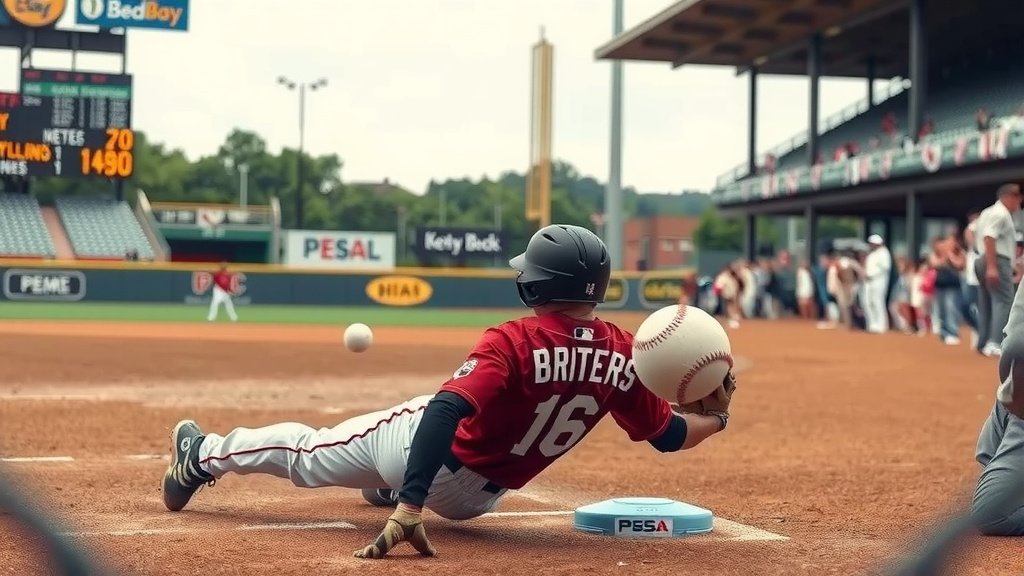
A runner’s speed and instincts play a huge role. If a runner is fast, they might think they can beat the throw. They might also be trying to avoid being tagged. They’ll try to slide or dive. Sometimes, a runner might misjudge a ball hit into the outfield. They think they can score or reach second. Then, the throw comes in, and they are in trouble.
Defensive Awareness and Execution
On the flip side, good defensive awareness is what creates a rundown. Fielders need to know where the runner is. They need to communicate. The catcher’s role is also important. If a runner breaks on a pitch, the catcher needs to throw it to a base quickly. We’ve seen many instances where a strong throw from the catcher starts a rundown.
Common Scenarios Where Rundowns Occur
You’ll see rundowns most frequently when a ball is hit into the outfield. The runner on base tries to advance an extra base. For example, a runner on first might try to go to second on a single. The outfielders are usually positioned to prevent extra bases.
On Extra-Base Hits
When a ball is hit hard into the gap, runners get aggressive. They want to make it to second or third base. If the outfielders make a good relay throw, the runner might get cut off. This leads to a rundown. The infielders then converge to make the play.
On Errors or Wild Pitches
Sometimes, a runner can advance due to a mistake. A wild pitch or a passed ball can allow a runner to move up. If the catcher can’t retrieve the ball quickly, the runner might try to take an extra base. This can also initiate a rundown. The ball might be thrown to the pitcher covering home. The pitcher then might throw it to a covering infielder to start the rundown.
What Happens If the Runner Isn’t Tagged?
If the defense fails to tag the runner, they are safe. They’ll usually end up at the base they were trying to reach. Or, they might have advanced to the next base. This is a frustrating outcome for the defense. It often means an extra base was given away, and potentially a run could score.
Good communication is key for the defense. They must keep track of the runner and the ball. If they lose track, the runner can often exploit the mistake. Many experts say that a well-executed rundown can demoralize an offense. But a botched rundown can energize them.
A Checklist for Defensive Success in a Rundown
Here’s what the defense needs to focus on to win a rundown:
- Communicate: Always talk to your teammates.
- Keep the ball away from the runner: Don’t throw it wildly.
- Make short, crisp throws: Control the action.
- Force the runner towards a base: Trap them.
- Be ready to tag: The ultimate goal.
The Runner’s Perspective: Escaping the Trap
For the runner, a rundown is a test of their agility and quick thinking. They have to anticipate where the throws are going. They need to use their speed and any available momentum to get back to a base safely.
A runner might try to fake a move in one direction. Then, they might quickly change direction. This can sometimes fool a fielder. It’s a game of cat and mouse. Research suggests that a runner’s ability to change speeds and directions can be very effective. They have to make the fielder commit to a throw.
A Quick Comparison: Rundown vs. Pickoff
It’s easy to get rundown and pickoff plays confused. A pickoff is an attempt by the pitcher to throw out a runner who is leading off a base. The pitcher throws directly to the base. A rundown, on the other hand, involves multiple fielders. It’s a chase between bases.
| Feature | Rundown | Pickoff |
|---|---|---|
| Involves | Multiple fielders | Primarily pitcher and infielder covering base |
| Runner Location | Between bases | Leading off a base |
| Play Type | Series of throws and chases | Single throw to a base |
Understanding these distinctions helps appreciate the different strategies. Both plays aim to get a runner out. But the execution and scenarios are quite different. We found that pickoffs are more common at first base. Rundowns can happen anywhere a runner gets caught.
Conclusion
You’ve now seen how a rundown in baseball is more than just a chase between bases. It’s a dynamic defensive sequence born from aggressive baserunning or a momentary lapse. We found that it requires sharp communication, precise throws, and quick thinking from the defense. For the runner, it’s a test of agility and nerve. Master understanding these plays, and you’ll appreciate the split-second decisions that make baseball so exciting. Next time you watch a game, pay close attention to these thrilling rundown moments!
Frequently Asked Questions
What happens if a runner isn’t tagged in a rundown?
If the defense fails to tag the runner out, they are usually safe. They can advance to the base they were heading for, or even the next one. This is a missed opportunity for the defense and can lead to giving up extra bases, potentially costing runs.
Can a rundown happen at any base?
Yes, a rundown can technically happen between any two bases. Most commonly, you’ll see them between first and second, or second and third, as runners try to advance on hits or mistakes. The principle remains the same: the runner is caught between two points of safety.
Is a rundown a planned play by the defense?
Generally, no. Rundowns are rarely planned. They are usually a reaction to a runner trying to take an extra base or getting caught off guard. The defense must react quickly and execute effectively to turn a potential setback into an out.
How does a runner try to escape a rundown?
A runner will use their speed, agility, and quick thinking to try and avoid the tag. They might change direction suddenly, try to slide, or use momentum to get back to a base. They also try to force the fielders into making difficult or errant throws.
What’s the main difference between a rundown and a pickoff?
A pickoff is a direct attempt by the pitcher to throw out a runner who is leading off a base. A rundown, however, involves multiple fielders in a chase between bases, with a series of throws designed to trap the runner and get them tagged out.