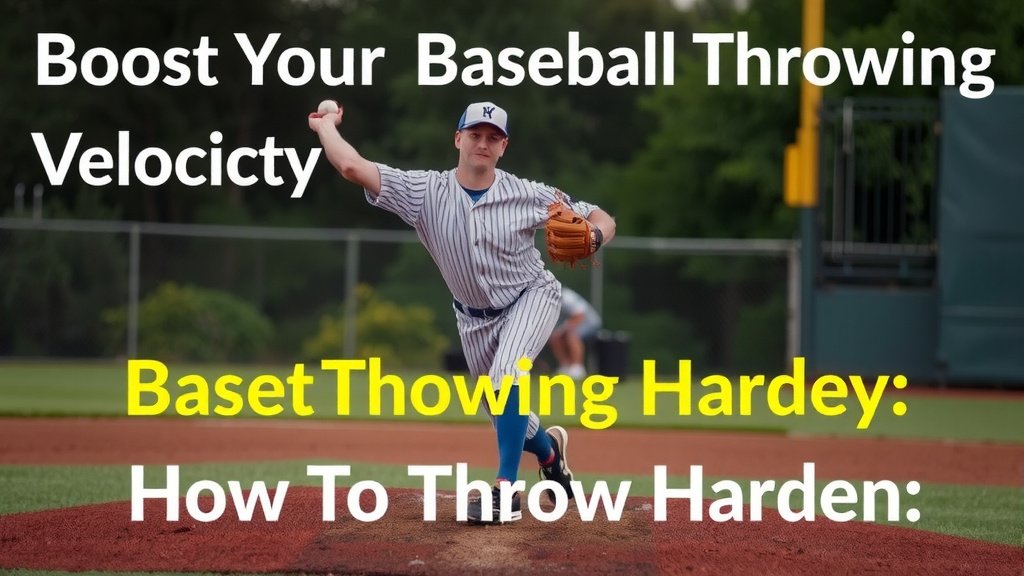
Boost Your Baseball Velocity: How to Throw Harder
Want to throw harder in baseball? You absolutely can! The key is to improve your arm strength, proper mechanics, and explosive power. It’s not just about a big arm; it’s about using your whole body effectively and safely.
Many pitchers and position players struggle with velocity. We found that focusing on a balanced training program is essential. This includes strength training, flexibility, and specific drills designed to increase your throwing speed without risking injury. Let’s get you throwing heat.
- Focus on arm speed and body mechanics.
- Incorporate strength and flexibility training.
- Practice drills for velocity.
- Prioritize injury prevention.
- Consistency is key to improvement.
Below, we’ll break down exactly how you can increase your throwing velocity, step by step. Let’s get your arm working at its best.
Boosting Your Baseball Throwing Velocity
You want to throw harder. It’s a common goal for baseball players. We found that increasing your throwing speed isn’t about magic. It’s about smart training and understanding your body. Let’s get you on the path to a faster fastball.
The Foundation: Proper Mechanics Matter Most
Before you even think about adding more power, you need to make sure your throwing motion is sound. Think of it like building a house. You wouldn’t put a heavy roof on weak walls, right? Good mechanics ensure you’re using your entire body efficiently. This is where you generate real velocity, not just from your arm.
Kinetic Chain: The Body’s Power Source
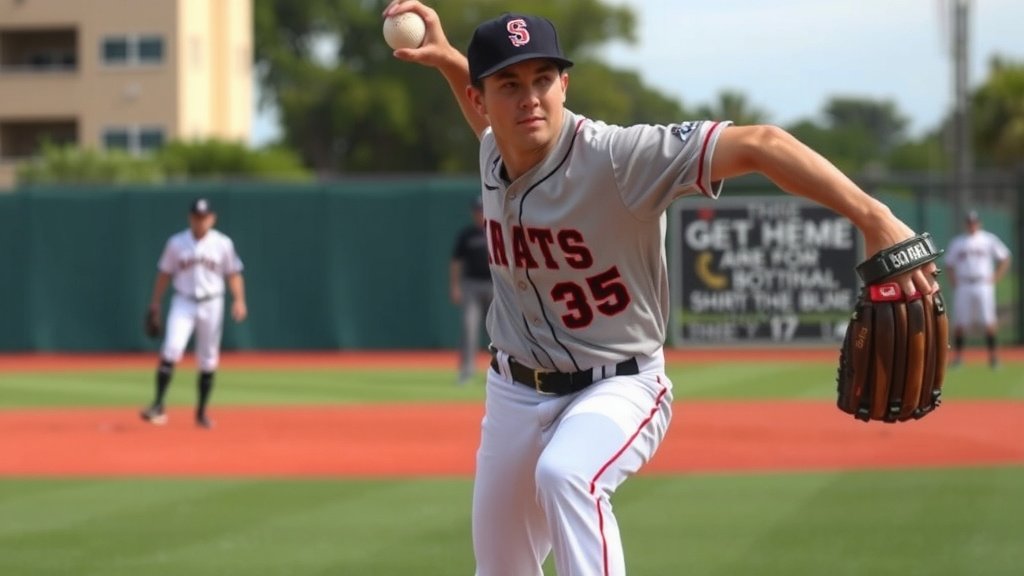
We found that the kinetic chain is the secret weapon for throwing velocity. It’s how energy transfers from your legs, through your core, and finally to your arm. Each part needs to work in sync. Imagine a whip; the handle moves first, then the shaft, and finally the tip snaps. Your throw should be similar.
Leg Drive: The Starting Point
It all begins with your legs. Pushing off the mound or ground powerfully is essential. This is where you create the initial force. Many players neglect this crucial step. We found that focusing on a strong, deliberate leg drive can add serious mph to your throw.
Core Strength: The Transfer Hub
Your core is your body’s engine. It connects your lower half to your upper half. A strong, stable core allows you to transfer that leg power effectively to your arm. Think of your core like a well-tuned transmission in a car. It ensures smooth power delivery.
Arm Action: The Finish
Your arm is the final link in this chain. It should be loose and quick. The goal is to get your arm in the right position at the right time. Proper arm care is also vital here, which we’ll discuss later. We found that a quick arm naturally follows good mechanics.
Common Mechanical Flaws to Avoid
We’ve seen players struggle with things like “casting” the ball (bringing the arm around in a wide circle). Others might have a “disconnect” where their arm gets ahead of their body. These issues waste energy and can lead to injury. Correcting these starts with awareness. We found that video analysis can be incredibly helpful.
Building Arm Strength and Flexibility
Once your mechanics are in good shape, you can focus on building a stronger, more flexible arm. This is where targeted exercises come into play. Remember, we’re building a resilient arm, not just a fast one.
Strength Training for Throwing Power
You need strength throughout your body to throw hard. Focus on compound movements that engage multiple muscle groups. Think about exercises that mimic the throwing motion or support it.
Key Muscle Groups to Target
- Legs: Squats, lunges, deadlifts. These build the base of your kinetic chain.
- Core: Planks, Russian twists, medicine ball throws. These stabilize and transfer power.
- Back and Shoulders: Rows, face pulls, external rotations. These support the throwing arm and prevent injury.
- Chest and Triceps: Push-ups, bench press, dumbbell presses. These help with the acceleration phase of the throw.
Many sports science experts suggest starting with lighter weights and focusing on proper form. You can gradually increase the weight or resistance as you get stronger.
Flexibility and Mobility: The Unsung Heroes
Don’t underestimate the power of flexibility. A more flexible arm and shoulder can achieve a greater range of motion. This translates directly to more velocity. We found that static stretching after workouts and dynamic stretching before can make a big difference.
Essential Stretches and Drills
Focus on stretches for your shoulders, chest, back, and hips. Think about arm circles, thoracic spine rotations, and hip flexor stretches. These help ensure your body can move freely through the throwing motion.
Drills to Increase Your Throwing Velocity
Now for the fun part: drills designed to boost your speed. These should be done with good mechanics and always after a proper warm-up. We found that consistency with these drills is key.
Long Toss: Building Arm Strength and Carry
Long toss is a baseball staple for a reason. It gradually increases the distance you throw, forcing your arm to work harder. Start at a moderate distance and slowly increase it. Focus on throwing with good arm action and extending through the ball. Many players use long toss to build arm endurance and arm speed simultaneously.
Medicine Ball Throws: Developing Explosive Power
Medicine balls are fantastic for developing explosive rotational power. Exercises like rotational throws against a wall or overhead throws can mimic aspects of the throwing motion. We found that using a weight that allows for speed and control is important.
Weight and Technique Guidance
Start with a lighter medicine ball (3-5 lbs for most players) and focus on generating speed. Your goal is to throw the ball with maximum velocity. Ensure you’re rotating your hips and core effectively. The ball should feel like an extension of your fast arm.
Plyometric Drills: Adding Snap
Plyometrics are exercises that involve rapid stretching and contracting of muscles. These can help develop the explosive “snap” in your arm. Exercises like plyometric push-ups or throwing a slightly weighted ball for maximum velocity can be beneficial.
Prioritizing Arm Care and Injury Prevention
All this focus on throwing harder means nothing if you get injured. Your arm is an incredible, complex tool. You need to treat it with respect. We found that proper recovery and care are just as important as the training itself.
The Importance of Warming Up and Cooling Down
Never throw hard without a thorough warm-up. This should include light cardio, dynamic stretching, and gradually increasing throwing intensity. A cool-down with static stretching helps your muscles recover. The American Sports Medicine Institute suggests a structured warm-up routine.
Rest and Recovery: Letting Your Arm Heal
Your muscles need time to repair and rebuild. Pushing too hard without adequate rest leads to fatigue and injury. Listen to your body. If something feels off, take an extra day off. We found that sleep plays a huge role in recovery.
When to Seek Professional Help
If you experience persistent pain or discomfort, don’t ignore it. A physical therapist or sports medicine doctor can diagnose issues and create a personalized recovery plan. Early intervention is key to preventing more serious problems. Many experts say seeking help early is vital for long-term success.
Your Velocity-Boosting Checklist
Let’s summarize the key steps to help you throw harder:
- Master Your Mechanics: Ensure your entire body works together.
- Build Strength: Focus on legs, core, and supporting arm muscles.
- Improve Flexibility: Gain range of motion for a faster arm.
- Practice Velocity Drills: Use long toss, medicine balls, and plyos.
- Care for Your Arm: Prioritize warm-ups, cool-downs, and rest.
- Listen to Your Body: Don’t push through pain.
Conclusion
You’ve learned that throwing harder in baseball is totally achievable with the right approach. It’s a blend of mastering your body mechanics, building functional strength, and incorporating specific velocity drills. Remember, consistency in your training and a focus on arm care are your best friends in this journey. Don’t just train harder; train smarter to protect your arm and maximize your potential. Ready to see that ball fly faster? Start by focusing on one mechanical adjustment this week and incorporating a new drill.
Frequently Asked Questions
How quickly can I expect to see an increase in my throwing velocity?
Results vary based on your starting point and dedication. We found that players who consistently apply these principles often see noticeable improvements within 4-8 weeks. Focus on the process, and the velocity gains will follow.
Is it safe to throw harder if I’ve had a previous arm injury?
It’s essential to approach throwing harder cautiously after an injury. We strongly recommend consulting with a physical therapist or sports medicine doctor first. They can help you build back arm strength and mechanics safely.
How often should I be doing velocity-building drills?
For drills like long toss and medicine ball throws, aim for 2-3 times per week. Always ensure you’re properly warmed up and listen to your body to avoid overtraining. Your arm needs adequate rest to recover and get stronger.
Can I increase my throwing velocity without lifting weights?
While weights can help, they aren’t the only way. Your body weight, flexibility, and proper mechanics contribute significantly to velocity. Drills like long toss and medicine ball work can boost speed even without a traditional gym routine.
What’s the most important factor for throwing harder?
We found that proper mechanics often have the biggest impact. A well-sequenced kinetic chain allows you to use your entire body’s power, not just your arm. Even with a strong arm, poor mechanics will limit your velocity and increase injury risk.