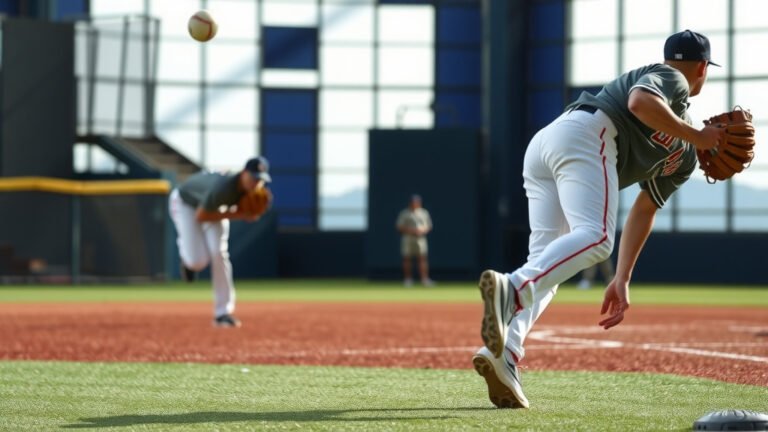

Understanding the Dropped Third Strike Rule in Baseball
The dropped third strike rule in baseball means a batter can become a runner if the catcher fails to catch the third strike cleanly. This often happens when the ball bounces before reaching the plate. It’s an exciting play that adds a unique strategic element to the game.
This rule can lead to chaotic and fun moments on the field. It’s not just about the pitch; it’s also about the catcher’s ability to secure the ball. A dropped third strike can result in a force out or even a tag out at first base, creating extra action for fans.
- The dropped third strike happens when the catcher misses the pitch.
- The batter can try to run to first base.
- The catcher must then tag the runner or throw to first base to get the out.
- This rule only applies when first base is unoccupied or if there are already two outs.
Let’s break down the dropped third strike rule so you know exactly what’s happening when it occurs in your next game.
Understanding the Dropped Third Strike in Baseball
You’ve probably seen it on TV or maybe even at a local game. That moment when a pitch seems like strike three, but suddenly the catcher doesn’t have the ball. It’s the dropped third strike, and it can turn a routine out into a wild scramble. Let’s break down exactly what this rule means and how it works in baseball.
When Does a Dropped Third Strike Occur?
A dropped third strike happens when the catcher fails to cleanly catch the third strike thrown by the pitcher. This doesn’t mean the batter is automatically safe. It simply means the ball is still live, and the play continues. This doesn’t mean the batter is automatically safe; it simply means the ball is still live if it’s called a strike and not caught.
What Constitutes a “Dropped” Ball?
For the rule to apply, the catcher must not have control of the baseball. This could be because:
- The pitch bounced before reaching home plate.
- The catcher fumbled the ball after it hit their glove.
- The catcher simply missed the ball entirely.
Batter’s Options: To Run or Not to Run?
When a third strike is dropped, the batter isn’t automatically out. They become a potential runner. If first base is unoccupied, or if there are already two outs, the batter can attempt to run to first base. This is where things get exciting!
Think of it like a second chance for the batter. If they see the ball drop, and the situation allows them to run, they can try to beat the throw or tag to safety. It’s a high-stakes decision for both the batter and the defense.
The Conditions for a Dropped Third Strike Play
This rule isn’t always in effect. There are specific conditions that must be met for the batter to be able to run on a dropped third strike. Understanding these conditions is vital for grasping the rule fully.
First Base Status
The most critical condition is the status of first base. A batter can only attempt to run on a dropped third strike if:
- First base is unoccupied.
- There are already two outs.
The Role of Two Outs
The two-out situation is a key factor. When there are two outs, the defense has a bit more flexibility. They can still get the out at first base. However, the batter’s ability to run means the defense needs to be extra sharp. A dropped ball with two outs can lead to a force play at first, or a tag play if the batter gets close enough.
How the Defense Gets the Batter Out
So, the batter is running. What does the catcher need to do? The defense has two main ways to get the batter out in this scenario:
The Tag Out
If the batter is running towards first base after a dropped third strike, the catcher can tag the batter with the ball or their glove while holding the ball. This is a direct confrontation. The catcher needs to retrieve the ball and quickly get to the batter before they reach the base.
The Force Out at First Base
If the batter is running and first base is unoccupied (or there are two outs), the catcher can throw the ball to the first baseman. The first baseman then needs to touch first base while in possession of the ball before the batter reaches it. This is a force out.
It’s important to remember that the batter is only safe if they reach first base before being tagged or before the first baseman touches the base with the ball.
The Batter’s Decision: A Tactical Choice
When a third strike is dropped, the batter faces a split-second decision. Should they run? Experts suggest a few factors influence this choice. It’s not always a guaranteed safe play.
Factors Influencing the Batter’s Run
We found that several things make a batter decide to run:
- Distance of the drop: If the ball is dropped far from the plate, the batter has a better chance.
- Catcher’s reaction time: A slow catcher gives the batter more time.
- Speed of the batter: Faster runners are more likely to attempt a run.
- Score and inning: Late-game situations can influence aggressive plays.
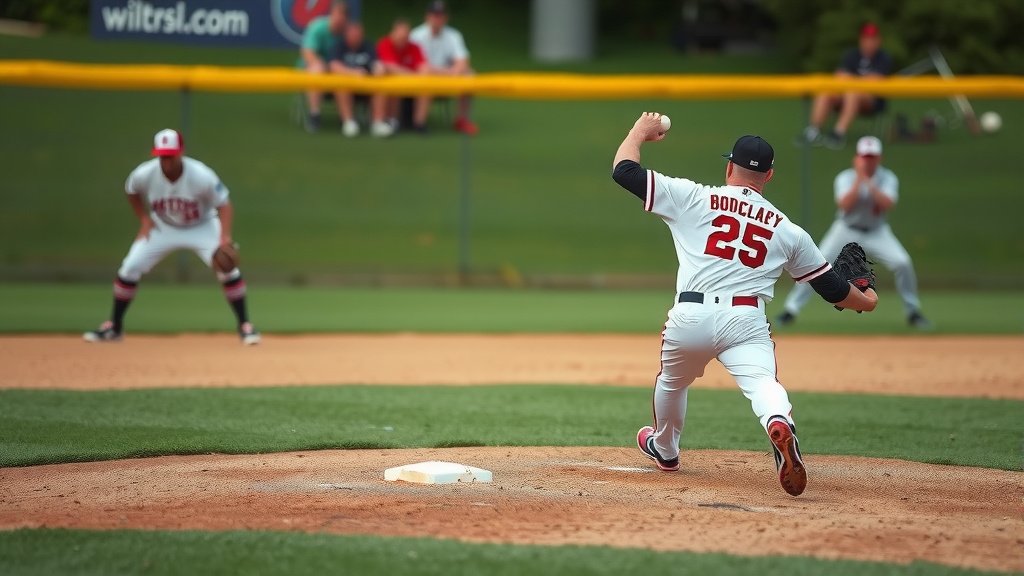
Common Misconceptions About the Rule
This rule can be confusing, and a few common misunderstandings pop up frequently. Let’s clear them up.
“The Batter is Always Out on Strike Three!”
This is the biggest misconception. As we’ve discussed, the batter is only automatically out on strike three if the catcher catches the ball cleanly. If it’s dropped under the right conditions, the play continues. Many fans assume the third strike is an automatic out, but that’s not always the case.
“The Catcher Has Forever to Make the Play”
While the defense does have options, they don’t have unlimited time. The batter is trying to reach first base. The defense must execute a quick tag or a throw to get the out. If they are too slow, the batter will be safe. It’s a race against time.
Why This Rule Adds Excitement to the Game
The dropped third strike rule is more than just a technicality; it’s a source of drama and unpredictability. It can completely change the momentum of an inning.
Imagine a pitcher has two outs, and the batter seems finished. Then, the ball skips! Suddenly, the inning isn’t over. A runner is on first, and the pressure shifts back to the defense. These plays can be game-changing and are often a highlight reel moment. They show that in baseball, even when you think a play is over, there’s always a chance for something more to happen.
Key Takeaways for Understanding the Dropped Third Strike
To help you remember the essentials, here’s a quick rundown:
- A dropped third strike occurs when the catcher doesn’t catch strike three cleanly.
- The batter can run to first base IF first base is unoccupied OR there are two outs.
- The defense can get the batter out by tagging them or by forcing them out at first.
- It’s a risky play for the batter and requires quick reflexes from the defense.
- This rule adds a layer of excitement and strategic depth to baseball.
Conclusion
You’ve now got a solid understanding of the dropped third strike rule. It’s a play that can turn a routine out into an exciting dash for first base. Remember, it hinges on the catcher not securing strike three cleanly, and critically, on whether first base is open or if there are two outs. This rule injects fantastic unpredictability and strategy into baseball. Keep an eye out for these chaotic moments in your next game; they are often the most thrilling. Now that you know the ins and outs, you can fully appreciate every dropped ball!
Frequently Asked Questions
What if the catcher drops the third strike, but there are runners on first and second with less than two outs?
In this specific situation, the batter is automatically out. The dropped third strike rule only allows the batter to run if first base is unoccupied or if there are already two outs. Since first base is occupied and there are fewer than two outs, the play ends there for the batter.
Can the batter run on a dropped third strike if the ball hits them before they can swing?
No, that scenario wouldn’t be a dropped third strike. If a pitch hits the batter before they swing, it’s automatically a ball, unless the batter makes no attempt to avoid it. A dropped third strike requires the pitch to be called a strike and for the catcher to fail to catch it.
Does the batter have to attempt to run on a dropped third strike?
No, the batter does not have to run. It’s entirely the batter’s decision. They might choose not to run if they feel the catcher has good control of the ball, if they are slow runners, or if the situation doesn’t present a good opportunity.
What happens if the catcher drops the third strike and throws the ball away, allowing the batter to reach first safely?
If the catcher drops the ball and then makes a wild throw that goes out of play or prevents a fielder from getting the out, the batter is awarded first base. Additionally, any runners on base can advance at least one base on the error. The play is essentially over once the ball is unretrievable by the defense.
How does the dropped third strike rule apply in youth baseball leagues?
Many youth baseball leagues, especially at younger ages, play without the dropped third strike rule. This is often done to simplify the game and avoid the potential for wild plays. Always check the specific rules for the league you are participating in, as they can vary.