How to Run an Effective Pitching Bullpen Session
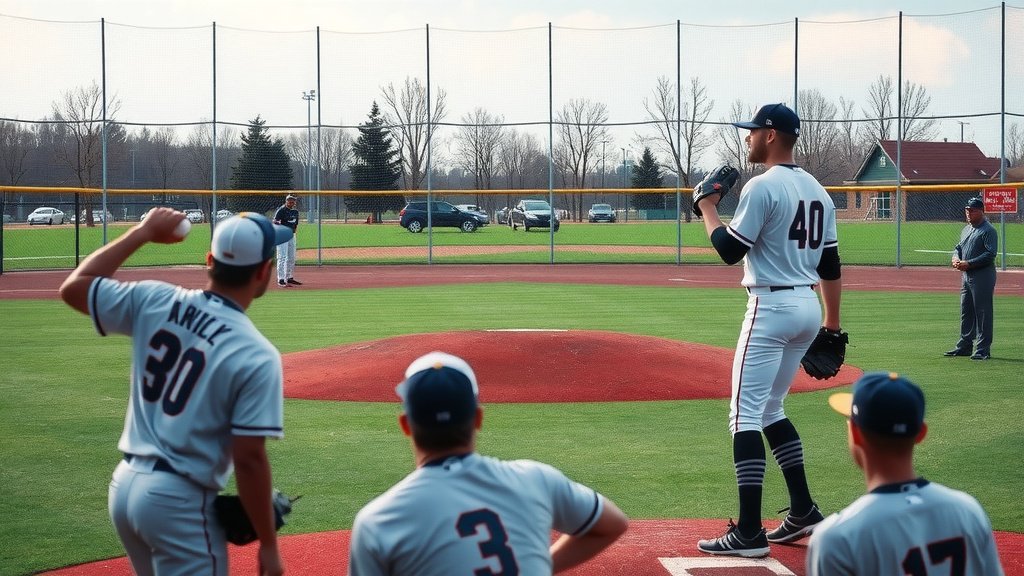
A bullpen session is a structured practice where you throw pitches from the mound to fine-tune your mechanics. The best way to run one is to warm up first, throw in planned sets, and end with a clear goal for your next outing. Keep it simple: warm-up throws, one or two pitches at a time, and short breaks between sets.
Many pitchers use bullpen work to build arm strength, sharpen command, and test new grips without game pressure. We researched what pitching coaches recommend, and we found that the most effective sessions are short and focused, not long and exhausting. Ever wonder why some throwers get better every week while others just spin their wheels? It usually comes down to having a plan before you step on the mound.
- Start with a proper warm-up to protect your arm.
- Throw in planned sets instead of random pitching.
- Work on one or two pitches per session.
- Track your results so you can measure progress.
- Finish with a clear takeaway for your next start.
Below, we walk you through each step of a bullpen session, from your first warm-up toss to your final pitch. Whether you’re a player, a coach, or a parent helping out, you’ll leave with a simple routine you can use right away.
Running a Bullpen Session Step by Step
A good bullpen follows the same shape every time: warm up, throw your sets, review, cool down. We found that pitchers who stick to this order recover faster and get more out of each mound visit. Think of it like baking a cake. Skip a step, and things fall flat.
Step 1: Get Your Body Ready to Throw
Before you touch a ball, your body needs to be awake. Cold muscles and tendons are stiff, and stiff tissue tears more easily. Many experts recommend a light cardio burst first to raise your heart rate and get blood flowing (Mayo Clinic). Even five minutes of jumping jacks or a brisk jog around the field works.
Warm-Up Moves That Actually Help
Once you’re warm, do some dynamic stretching. That means moving stretches, not the hold-it-and-count kind. Research on throwing injuries suggests dynamic routines help prepare the shoulder and elbow for overhead motion (NIH).
- Arm circles — small, then bigger, both directions.
- Band pulls — light resistance for the rotator cuff.
- Leg swings — your drive comes from the lower half.
- Wrist and forearm rolls — grip strength starts here.
- Bodyweight squats — wake up your legs before they work.
Sweating a little before you throw? Good. That’s your green light.
Step 2: Start With Flat-Ground Throws
Don’t climb the mound right away. Start tossing at short distance, then back up slowly. We found that most pitching coaches like a build-up of 15 to 25 easy throws before mound work begins. This lets your arm find its rhythm without any pressure.
Picture it like tuning a guitar before a show. You wouldn’t walk on stage with a slack string. Give your arm the same courtesy.
Throwing Your Planned Sets
Now comes the fun part — the mound. But resist the urge to just fire pitches until you’re tired. Random throwing builds random habits. Planned sets build command.
A simple structure: throw one pitch type per set, five to eight pitches at a time, then step off and rest for a minute or two. Talk to yourself (or your catcher) between sets. What worked? What didn’t?
How Many Pitches Should You Throw?
The honest answer: it depends on your age and workload. Pitch count rules exist for a reason, and youth baseball organizations set limits based on research into young arms (CDC). Here’s a general guide many coaches use for a practice bullpen:
| Pitcher Age | Suggested Bullpen Pitches | Rest Between Sets |
|---|---|---|
| 8–12 | 20–30 | 2–3 minutes |
| 13–15 | 30–40 | 2 minutes |
| 16–18 | 40–50 | 90 seconds |
| Adult amateur | 40–60 | 90 seconds |
These are ranges, not rules carved in stone. If your arm feels heavy or your mechanics get sloppy, stop early. No coach worth their whistle will judge you for it.
Mixing In Your Off-Speed Pitches
Fastball first, always. It’s your foundation pitch, and it sets your arm slot for everything else. Once your fastball command feels sharp, layer in one breaking ball or changeup. Throwing too many pitch types at once is like studying five subjects the night before finals. Nothing sticks.
When to Introduce a New Pitch
Want to test a new grip? Do it at the end of a bullpen, not the start. Your arm is warm, your fastball work is done, and there’s no pressure to make it perfect. Give the new pitch maybe 8 to 10 throws. If it feels awkward, park it and come back next session. New pitches take weeks, not minutes.
Tracking Your Results
Here’s where most pitchers lose the plot. They throw a great bullpen, feel good, and forget everything by Tuesday. Don’t be that pitcher.
Bring a small notebook or use your phone. After each set, jot down quick notes. We found that pitchers who track their sessions improve faster because they can spot patterns — like a slider that keeps running low and away on tired legs.
- Pitch count for the session.
- Command notes — where did each pitch land?
- Mechanical cues that felt good.
- Anything that hurt — even mild soreness matters.
Over a month, those notes tell a story. And that story is worth more than any single great session.
Cooling Down After the Session
Your last pitch isn’t the end. Cooling down helps your arm recover and cuts down next-day soreness. Many sports medicine sources point to a light post-throwing routine as a smart habit (Cleveland Clinic).
Post-Bullpen Arm Care
Keep it simple. Easy throws at short distance, gentle static stretching, and something cold on the shoulder or elbow if it feels warm. Ice isn’t mandatory for everyone, but many throwers swear by it after heavier workloads. Hydrate, eat something with protein within a couple hours, and give your arm real rest before your next outing.
Think of recovery as part of the workout, not the part after the workout. Your future self will send thanks.
Common Bullpen Mistakes to Sidestep
We’ve all seen these — or done them. A quick scan can save you weeks of frustration:
- Skipping the warm-up because you’re eager or short on time.
- Throwing max effort every single pitch, all session long.
- Chasing velocity instead of command in practice.
- No plan — just tossing until the arm says stop.
- Ignoring small pain and hoping it goes away on its own.
- Zero notes — repeating the same flaws every week.
Notice a theme? Most mistakes come from rushing. Slow down, and the results speed up. Funny how that works.
Your Pre-Bullpen Checklist
Before you step on the mound next time, run through this quick list. Print it, save it, tape it to your bag — whatever helps.
- Five to ten minutes of light cardio done?
- Dynamic stretches for shoulders, elbows, and legs done?
- Flat-ground throws completed before mound work?
- Written plan for pitch types and counts?
- Catcher or target ready, with zones marked? If you’re marking zones, our guide to what counts as a strike shows exactly where the target should sit.
- Notebook or phone charged for tracking results?
Six boxes, two minutes of thought, and a whole lot of better throwing ahead. That’s a trade we’d make any day of the week.
Conclusion
A great bullpen isn’t about how many pitches you throw. It’s about throwing the right pitches with a purpose. You now know how to warm up properly, build your sets around command, and finish with notes that make your next session smarter. That combination beats raw effort every single time.
Here’s the truth we found after looking at what actually works: pitchers who plan, track, and recover well improve week after week. Everyone else just throws. So before your next mound visit, take five minutes and write down your plan. What pitches? How many? What’s the one thing you’re fixing? Show up with answers, and your bullpen will do the rest.
Frequently Asked Questions
How often should a pitcher do a bullpen session?
Most coaches recommend one to two bullpens per week during the season, spaced between game outings. Younger pitchers often do better with just one, especially if they’re also throwing in games. Your arm needs recovery days between heavy throwing, so listen to how it feels and don’t stack sessions too close together.
Should I throw from a full mound or flat ground during bullpen work?
A real mound is best for bullpen sessions because the slope changes your mechanics and timing. Flat-ground work is great for warm-ups and arm strength, but your command practice should happen where you’ll actually pitch. If a mound isn’t available, simulate the height as best you can with a raised target or portable mound. Wondering why that slope matters so much? Our guide to mound height explains what the extra elevation adds to your pitching.
Can I do a bullpen session without a catcher?
Absolutely. Many pitchers work with a target screen or marked zones on the backstop. We found that setting up small targets at different heights and locations works nearly as well as a live catcher. The goal is command, so if you can see where your pitches land, you can get quality work done solo.
How long should a bullpen session last?
Most productive bullpens run 20 to 30 minutes from first warm-up throw to last pitch. If you’re going much longer, you’re probably throwing too many pitches or resting too little. Quality fades when arms get tired, so end the session while your mechanics are still sharp.
What should I do if my arm hurts during a bullpen?
Stop throwing right away. Mild muscle fatigue is normal, but sharp pain, aching in the elbow or shoulder joint, or pain that gets worse with each throw is a warning sign. Ice the area, take a few days off, and if the pain sticks around, see a doctor or sports medicine professional before you throw again. Skipping one bullpen costs you nothing. Throwing through pain can cost you a season.