What Is a Pickoff in Baseball and How It Works
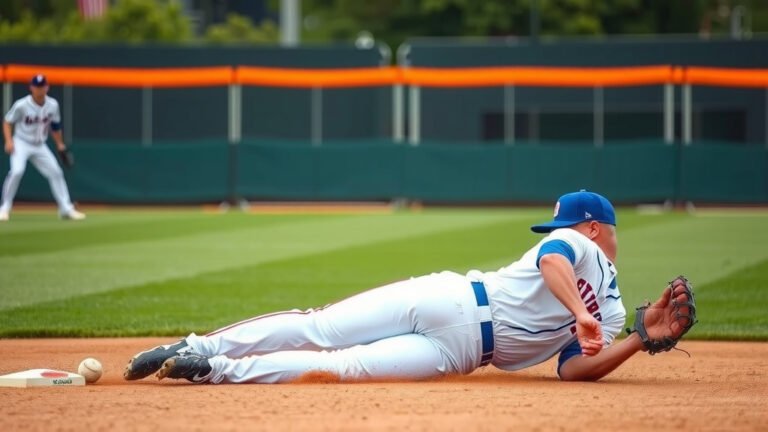
A pickoff is a baseball play where a pitcher throws the ball to a base, usually first or second, to try and get an opposing runner out who has strayed too far from the base. It’s a defensive move designed to catch runners off guard and is a common tactic used by pitchers who want to prevent stolen bases or simply catch a runner not paying attention. Our guide on how to pick off a runner explains the technique.
Understanding a pickoff is key to enjoying baseball. It’s one of those plays that can quickly turn the momentum of a game. Pitchers practice this move constantly to improve their timing and accuracy. This skill helps keep runners honest and adds an extra layer of strategy to the game.
- A pickoff is when a pitcher tries to get a runner out by throwing to a base.
- It’s a defensive strategy to stop stolen bases or catch runners off guard.
- First and second base are the most common targets for pickoff attempts.
- Pickoffs require good timing, accuracy, and awareness from the pitcher.
- This play adds an exciting element of strategy to baseball.
Let’s walk through exactly what makes a pickoff attempt successful, and what you need to watch for as a fan.
You’ve seen it on TV, maybe even at a local ballpark. A pitcher stops mid-windup, pivots, and fires a dart to a base. The umpire shouts, “Out!” What just happened? That’s the magic of the pickoff move!
Understanding the Pitcher’s Pickoff Play
A pickoff is a defensive maneuver in baseball. The pitcher tries to catch a baserunner off base. This happens when the runner gets too far away from their base. The pitcher then throws to that base. The goal is to get the runner tagged out.
Why Do Pitchers Attempt Pickoffs?
Pitchers use pickoffs for a few key reasons. They’re not just trying to be fancy. It’s a smart way to control the running game. It can disrupt the offense’s rhythm. It also adds an element of surprise.
Preventing Stolen Bases
The most common reason is to stop stolen bases. If a runner gets a big lead, they can steal more easily. A successful pickoff makes runners think twice. They’ll be more cautious about their lead. This can save your team runs.
Catching Runners Off Guard
Sometimes, runners just relax. They might not be paying attention. Or they might think the pitcher is focused on the batter. A quick pickoff can catch them completely off guard. It’s like a little surprise attack.
The Anatomy of a Pickoff Attempt
Executing a pickoff isn’t as simple as it looks. It requires specific steps and timing. A pitcher needs to be aware of the runner. They also need to have good control of the ball.
The Pitcher’s Stance and the Runner’s Lead
When a runner is on base, the pitcher has to balance their actions. They need to pitch to the batter. But they also need to watch the runner. The runner’s lead is key. A big lead gives them more room to run.
A pitcher might have a “set” position. This is when their front foot is on the rubber. From here, they can throw to home plate or attempt a pickoff. They can also step off the rubber. This resets them and allows them to throw anywhere, like to first base.
The Pickoff Move Itself
The classic pickoff involves a quick pivot. The pitcher will pause their pitching motion. Then, they turn their body towards the base. They’ll throw the ball accurately to the first or second baseman covering the bag. For third base, it’s usually a jump-turn move.
We found that the pitcher’s footwork is crucial. If they step off the rubber in the wrong direction, it’s a balk. A balk automatically advances the runners. So, timing and direction are everything.
The Role of the Infielder
The pickoff isn’t just on the pitcher. The infielder covering the base needs to be ready. They must have a good glove and be quick to apply the tag. They act as a target for the pitcher’s throw. Their job is to be in the right place at the right time.
First Base vs. Second Base Pickoffs
Most pickoff attempts happen at first base. It’s generally the easiest. The pitcher is already facing that general direction. A runner at first base often takes a larger lead to prepare for stealing second. This makes them a tempting target.
Pickoffs at second base are rarer. They often involve a runner who is trying to advance too far on a hit or a fly ball. The pitcher might throw to second if the runner is caught in a rundown between second and third. It’s a more difficult throw due to the angle and distance.
We found that the success rate for pickoffs at first base is higher than at second. This is due to the pitcher’s natural throwing lanes and the runner’s typical lead size.
What Makes a Pickoff Successful?
Several factors contribute to a successful pickoff. It’s a combination of pitcher skill and runner awareness.
Pitcher’s Timing and Accuracy
A pitcher must have excellent timing. They need to catch the runner just as they’re leaning or pushing off the base. A slow throw or a wild throw won’t work. The ball needs to arrive at the base quickly and accurately. Many experts say the pitcher’s arm strength and accuracy are vital.
Runner’s Tendencies
A smart pitcher studies the runners. They notice which runners take bigger leads. They also look for runners who are slow to return to the base. These tendencies can be exploited. A runner who is overly aggressive is a prime candidate for a pickoff.
Element of Surprise
The best pickoffs come as a surprise. If a pitcher attempts a pickoff every few batters, runners will adjust. They’ll become more cautious. The element of surprise makes the move far more effective. It keeps runners on their toes and guessing.
When Does a Pickoff Go Wrong?
As with any play in baseball, pickoffs can go awry. Sometimes, the pitcher makes a mistake. Other times, the runner is just too good.
Balks and Wild Throws
As mentioned earlier, a balk can happen if the pitcher doesn’t follow the rules. An illegal pitch is an automatic advance for the runner. Wild throws can lead to the ball getting away. This allows the runner to advance extra bases. We found that these errors can be quite costly.
Runner’s Speed and Agility
Some runners are incredibly fast. They can get back to the base or make it to the next one even on a good throw. The runner’s speed and ability to react are a big part of the equation.
Pickoff Situations to Watch For
As a fan, you can anticipate pickoff attempts. Knowing when they’re likely to happen makes the game more exciting. Keep these in mind:
- When there’s a runner on first base with two outs.
- When the batter has a high strikeout rate.
- When the runner has a history of taking large leads.
- When the pitcher has a strong pickoff move they haven’t used recently.
- In close games where preventing a stolen base is critical.
- When the runner seems distracted or not focused on the pitcher.
The Pickoff’s Impact on the Game
A successful pickoff can change the momentum of a game. It’s a quick out that doesn’t involve the batter. It can demoralize an offense. It also energizes the defense and the fans. It’s a small play with a potentially big impact.
Think of it like a chess match. The pitcher is trying to outsmart the runner. It’s a strategic battle happening on the basepaths. And when it works, it’s a beautiful thing to watch!
Conclusion
You’ve learned that a pickoff is more than just a quick throw; it’s a strategic chess match on the baseball field. Pitchers use this move to disrupt stolen base attempts and catch runners off guard, requiring sharp timing, accuracy, and awareness. The infielder’s role is just as important, needing to be ready to apply the tag. While pickoffs at first base are more common, understanding the pitcher’s footwork and the runner’s tendencies is key to appreciating this exciting play. Next time you’re watching a game, pay close attention to the basepaths – you might just witness a game-changing pickoff!
Frequently Asked Questions
What is the difference between a pickoff and a pickoff attempt?
A pickoff attempt is when the pitcher throws the ball to a base with the intention of getting a runner out. A successful pickoff means the runner was indeed tagged out or forced out at the base. So, an attempt is the action, and a pickoff is the successful outcome of that action.
Can a pitcher throw to third base for a pickoff?
Yes, a pitcher can technically throw to third base for a pickoff. However, it’s much less common and more difficult due to the angle and distance. Usually, this involves a runner caught between second and third base, and the pitcher might throw to third to prevent them from advancing further.
What happens if the pitcher makes an illegal move during a pickoff?
If a pitcher makes an illegal move, like stepping off the rubber in the wrong direction before throwing, it’s called a balk. When a balk is called, all runners on base are automatically allowed to advance one base. It’s a penalty that negates the pickoff attempt.
How often do pickoffs occur in a baseball game?
The frequency of pickoffs can vary greatly depending on the game and the teams playing. Some pitchers use the move more often than others. You might see several in one game, or sometimes none at all, especially if runners are cautious about their leads.
Can a runner be called out if they aren’t tagged during a pickoff?
Yes, a runner can be called out during a pickoff even without a tag. If the infielder fields the ball and touches the base while the runner is not in contact with it (and the runner is between bases or has over-run the base they were trying to reach), it’s a force out. This is common at first base.