Master the Baseball Slide: A Step-by-Step Guide
Sliding into a base in baseball means intentionally using your body to slow yourself down as you reach the base. You do this to avoid a tag and stay in the game. It’s a fundamental baseball skill that can help you beat close plays and stay safe. Mastering the slide can make a huge difference in close games.
There are different types of slides, each with its own purpose. You might use a feet-first slide or a head-first slide. The goal is always the same: get to the base safely. Understanding the right technique for each situation is key to success on the diamond. We found that practicing both is important.
- Know the two main types: feet-first and head-first.
- Aim to slow your momentum safely.
- Protect yourself from being tagged out.
- Practice is essential for mastering your technique.
Let’s break down exactly how to slide effectively and safely on the baseball field.
Sliding into a base is more than just a dramatic flourish. It’s a smart baseball play. When you slide, you’re aiming to slow your body down. This makes it harder for the fielder to tag you out. We found that a good slide can be the difference between being safe and being called out. It’s all about control and safety.
Mastering the Art of the Baseball Slide
Learning how to slide effectively is a key skill for any baseball player. It helps you beat close plays. It also helps you protect yourself from injury. Let’s dive into the techniques that will make your slides smoother and safer.
Understanding the Two Main Slide Types
Before you even think about hitting the dirt, you need to know the two primary ways to slide: feet-first and head-first. Each has its own advantages and best use cases. Think of them as different tools in your baseball toolbox.
The Feet-First Slide: Your Go-To for Safety
The feet-first slide is generally considered the safest option for most runners. It’s the slide you’ll see most often at lower levels and is a great starting point. The main goal here is to get your foot on the base while keeping your body under control.
Executing the Perfect Feet-First Slide
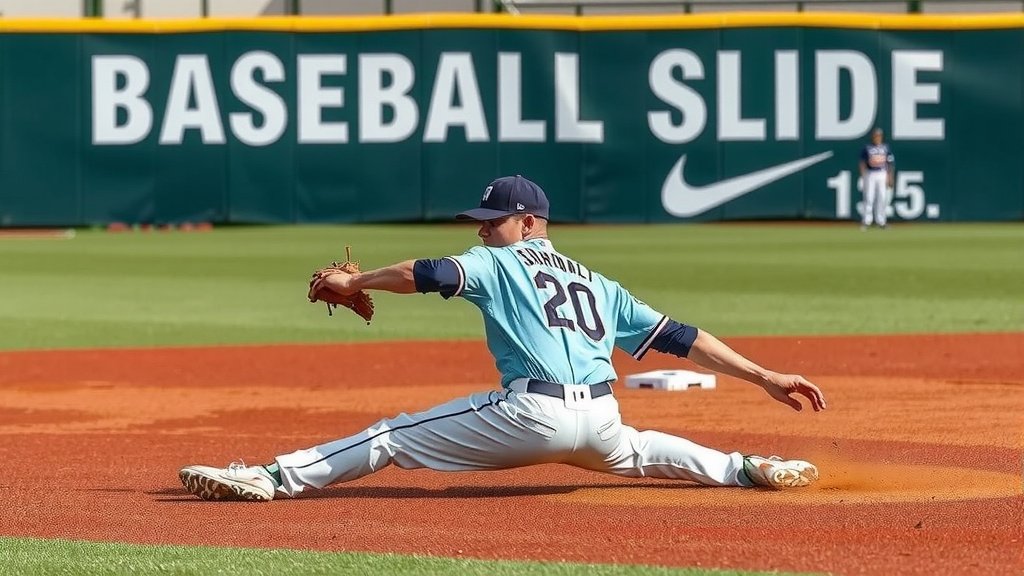
To perform a feet-first slide, you’ll want to approach the base with good momentum. As you get close, bend your knees. You’ll want to kick one leg out straight towards the base. Your other leg will bend and tuck underneath you. Imagine you’re sitting down on the ground. Keep your arms up and out of the way.
- Approach the base with controlled speed.
- Bend your knees as you get close.
- Extend one leg straight towards the base.
- Tuck your other leg underneath your body.
- Keep your arms up and away from the ground.
Many coaches stress the importance of keeping your feet up off the ground as much as possible. This makes you a smaller target. It also helps prevent ankle injuries. We found that practicing this motion repeatedly helps build muscle memory. Think of it like learning to ride a bike; the more you do it, the more natural it feels.
The Head-First Slide: For When Speed is Everything
The head-first slide is often used when you need to gain an extra inch or two on a close play. It can allow you to reach the base slightly faster than a feet-first slide. However, it carries a higher risk of injury if not done correctly. Many players prefer this when they see the play is going to be extremely tight.
Executing the Perfect Head-First Slide
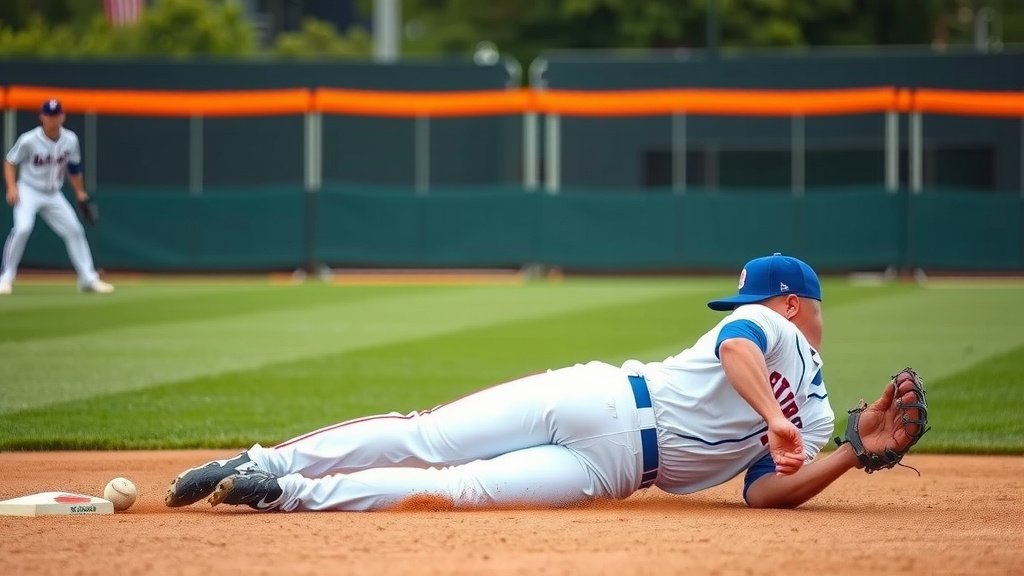
For a head-first slide, you’ll keep your body relatively straight. As you get near the base, lean forward. Extend your arms out in front of you. You’ll want to reach for the base with your hand or wrist. Try to keep your legs together and slightly behind you.
- Maintain momentum as you approach the base.
- Lean forward from your waist.
- Extend your arms out in front.
- Reach for the base with your hand.
- Keep legs together and somewhat tucked.
It’s crucial to avoid diving headfirst if the ground is uneven or hard. We found that players who master this slide often practice on softer surfaces first. Think about it: you’re essentially diving for the base. Your hands and arms will likely hit the ground first. Keeping your head up and to the side can also help prevent neck injuries. This is something we often see recommended by player safety organizations.
The Hook Slide: A Strategic Move
The hook slide is a variation of the feet-first slide. It’s designed to make it harder for the fielder to tag you. It’s a more advanced technique, but it can be incredibly effective in specific situations.
How to Perform a Hook Slide
You start this slide like a regular feet-first slide. You extend one leg towards the base. However, as you get close to the base, you pull your extended leg back. You then “hook” the base with your trailing foot. Your body will naturally rotate. This motion can make you slide past the base and away from the fielder’s glove.
The key is timing and body control. You don’t want to pull back too early or too late. This type of slide requires a lot of practice. Many players find it takes dozens of repetitions to get right. It’s a move that can definitely surprise a fielder.
Why Sliding is More Than Just About Beating the Tag
Beyond just avoiding an out, sliding can impact the game in other ways. A good slide can help you avoid collisions. It can also help you maintain momentum to potentially advance on an overthrow. It’s a skill that shows a player understands the finer points of the game.
Avoiding Collisions and Injuries
When you slide, you’re intentionally slowing your body down. This reduces the force of impact. It’s much safer than trying to stop abruptly or run through a fielder. Many studies on athletic injuries point to controlled movements like sliding as safer than uncontrolled stops.
Gaining an Advantage on the Basepaths
Sometimes, a slide isn’t just about reaching the base you’re going to. If there’s a wild throw, a well-executed slide can put you in a position to take an extra base. You might slide into second, but if the ball gets away, you’re already low and can keep moving towards third.
Tips for Practicing Your Baseball Slides
You can’t get good at sliding by just watching. Practice is absolutely essential. We found that consistency in your practice routine is key. Here are some tips to help you hone your sliding skills:
- Start slow on a soft surface like grass or a dirt infield.
- Practice the basic feet-first slide repeatedly until it feels natural.
- Work on the head-first slide, focusing on hand placement and body control.
- Try the hook slide once you’re comfortable with the basic techniques.
- Have a coach or friend watch you to give feedback on your form.
- Wear appropriate sliding shorts or pants to protect your skin.
Remember, safety should always be your first priority. Don’t try to do too much too soon. Building up your confidence and technique takes time. Many professional players spend hours practicing these fundamental skills.
| Slide Type | Primary Goal | Safety Level | When to Use |
|---|---|---|---|
| Feet-First | Safe Base Arrival | High | Most situations, especially close plays or when unsure. |
| Head-First | Reaching Base Quickly | Moderate (requires good technique) | Very close plays where extra speed is needed. |
| Hook Slide | Evading Tag, Momentum Past Base | Moderate (requires good technique) | When a fielder is close and anticipating your path. |
You’ve got this! With dedicated practice and a focus on technique, you’ll be sliding into bases like a pro in no time. Keep these tips in mind, and you’ll be a safer and more effective runner on the diamond.
Conclusion
You’ve learned the essential techniques for mastering baseball slides. Remember, sliding is about more than just beating the tag; it’s about safety and smart play. Whether you’re using a feet-first, head-first, or hook slide, your goal is to control your momentum and protect yourself. We found that consistent practice on safe surfaces builds the muscle memory you need. Your next step is to hit the practice field. Focus on one slide type at a time, and gradually build your confidence and technique. With dedication, you’ll become a more effective and secure runner on the basepaths.
Frequently Asked Questions
What is the safest way to slide in baseball?
The feet-first slide is generally considered the safest. It allows you to better control your body as you approach the base. Keeping your feet up and tucking your legs helps prevent common ankle and knee injuries. We found that most players can master this technique with dedicated practice.
When should I use a head-first slide instead of a feet-first slide?
You should consider a head-first slide when the play is extremely close and gaining an extra fraction of a second is critical. It’s also effective if you see the fielder is already positioned for a high tag. Remember to keep your head up and to the side when performing this slide to avoid injury.
How can I practice sliding without getting hurt?
Start practicing on softer surfaces like grass or a well-maintained dirt infield. Begin with slow, controlled movements for the feet-first slide. As you get more comfortable, you can gradually increase your speed. It’s also wise to wear sliding shorts or padded pants to protect your skin.
Is the hook slide really useful in games?
Yes, the hook slide can be very effective, especially against fielders who anticipate your direct path to the base. By pulling back your extended leg and hooking the base, you can make yourself a harder target. This advanced move can surprise a fielder and help you stay safe, but it requires significant practice.
What common mistakes do new players make when sliding?
A common mistake is not bending your knees enough, leading to awkward landings. Another is keeping your arms too close to the ground, which can lead to jams or sprains. We also see players slide too late, missing the base or making the tag easier. Focus on controlled momentum and body positioning.