What Is a Catcher’s Mitt: Your Essential Guide
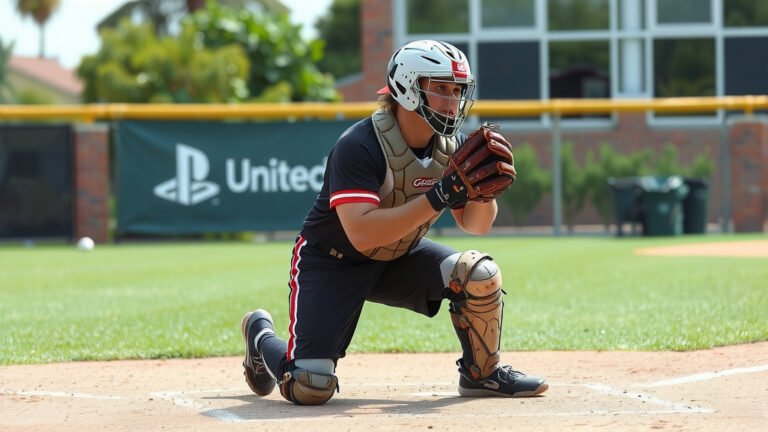
A catcher’s mitt is a large, heavily padded glove designed to help a baseball or softball catcher Our guide on how to play catcher details the responsibilities and skills needed for this position.safely catch fast pitches. Unlike a fielder’s glove, it has a deep pocket and is more rounded. This special design is built to protect the catcher’s hand from the impact of the ball.
Its primary job is to provide a secure, soft target for the pitcher. This helps prevent passed balls and wild pitches. The extra padding is essential for absorbing the shock of high-speed throws, making it a critical piece of equipment for anyone playing this demanding position.
- It’s a big, padded glove for catchers.
- Helps you catch fast pitches safely.
- Has a deep pocket to secure the ball.
- Protects your hand from strong impacts.
So, what exactly makes a catcher’s mitt different from any other glove on the field? Let’s break down the unique features and purpose of this essential piece of gear.
“`htmlUnderstanding the Catcher’s Essential Gear
You might be wondering what makes a catcher’s mitt so special. It’s not just any glove. Its design is highly specialized. It’s built for the unique demands of catching pitches. We’ll look at its distinctive features and why they matter.
The Catcher’s Mitt: More Than Just a Glove
Think of it as a catcher’s best friend. This glove is their primary tool for receiving pitches. Unlike a standard fielder’s glove, it’s much larger. It also has a lot more padding. This isn’t for show; it’s for safety. Catching a fastball repeatedly can really sting your hand.
Distinctive Shape and Size
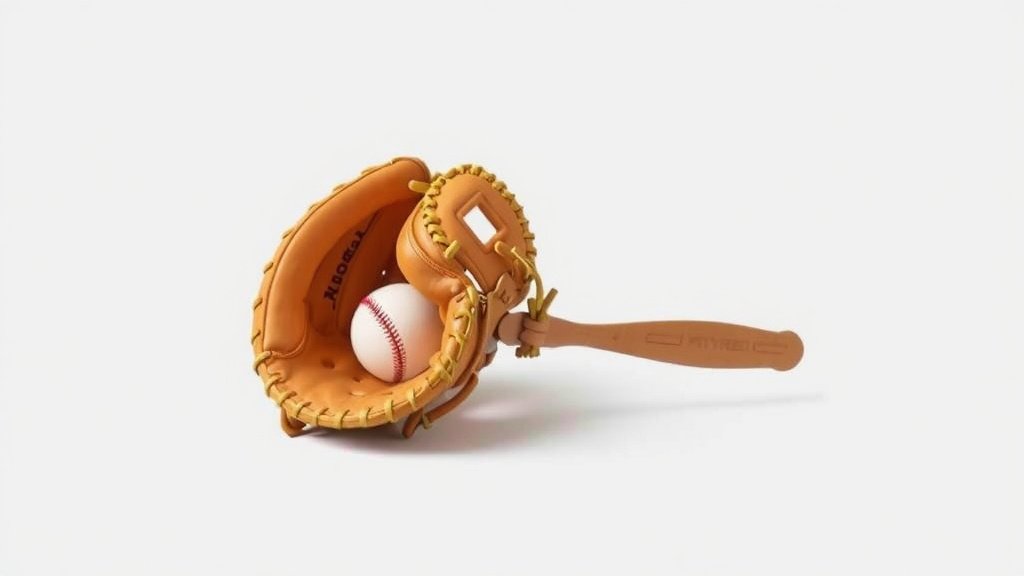
The most obvious difference is its shape. A catcher’s mitt is round and deeply pocketed. There are no individual finger stalls like in a baseball glove. Your fingers all go into one large compartment. This deep pocket helps secure the ball. It also prevents pitches from popping out.
Padding for Protection
The padding is where a catcher’s mitt truly shines. It’s packed with extra layers of foam and other materials. This padding is concentrated in the palm and thumb areas. Research suggests that baseballs can travel at speeds of over 90 miles per hour (National Baseball Hall of Fame). That’s a lot of force! The padding helps absorb this impact. It protects the catcher’s hand from injury. Without it, catching would be incredibly painful and dangerous.
Key Features Explained
Let’s dive into the specific parts that make a catcher’s mitt unique. Understanding these will help you appreciate the engineering behind this vital piece of equipment.
The Deep Pocket
The pocket of a catcher’s mitt is its most defining feature. It’s designed to be much deeper than a fielder’s glove. This depth is essential for several reasons. First, it provides a larger target for the pitcher. This can make it easier to frame pitches and get strikes called. Second, the depth helps trap the ball. It gives the catcher more control. It reduces the chance of dropped or passed balls. This is a huge advantage in close games.
No Finger Stalls
You won’t find individual finger slots in a catcher’s mitt. All your fingers go into one large compartment. This design contributes to the mitt’s overall round shape. It also makes the mitt feel more like a single unit. This can help with grip and control. It allows the catcher to close the mitt around the ball more effectively.
Thumb and Index Finger Protection
The area between the thumb and the index finger is often reinforced. This part of the mitt takes a lot of the direct impact. Manufacturers use extra leather or padding here. This extra protection is vital. It guards against the sting of fast pitches. It also helps prevent injuries to the hand and wrist.
The Wrist Strap and Adjustability
Most catcher’s mitts have an adjustable wrist strap. This strap allows the catcher to customize the fit. A snug fit is important for control and comfort. It prevents the mitt from moving around during a play. Some mitts also have adjustable thumb loops. This ensures a secure feel for different hand sizes.
Catcher’s Mitts vs. Fielder’s Gloves: What’s the Difference?
It’s easy to see that a catcher’s mitt and a fielder’s glove are very different. Let’s break down the main distinctions side-by-side. This will highlight why each is designed for its specific role.
| Feature | Catcher’s Mitt | Fielder’s Glove |
|---|---|---|
| Shape | Round, large, deep pocket | More oval, shallow pocket |
| Padding | Extensive, concentrated in palm | Moderate, distributed throughout |
| Finger Stalls | None (all fingers in one pocket) | Individual finger stalls |
| Purpose | Catching fast pitches, blocking balls | Catching batted balls, transferring quickly |
| Size | Generally larger | Varies by position, often smaller |
As you can see, the design choices are deliberate. They serve the unique needs of each position on the field. A fielder needs to snag ground balls and fly balls and then transfer the ball quickly to throw. A catcher needs to absorb impact and secure every pitch, fast or slow.
Why is a Catcher’s Mitt So Important?
The catcher plays a physically demanding role. They are directly behind home plate. They face a barrage of pitches, some coming in at over 100 mph (MLB.com). Without the right equipment, this position would be nearly impossible to play safely. The mitt is the catcher’s first line of defense. It’s not an exaggeration to say it’s essential for their health.
Safety First
The primary function of the mitt is safety. It protects the catcher’s hand from the brunt of the impact. Think of catching a baseball like catching a rapidly moving hammer. You wouldn’t do that without protection, right? The mitt acts as a buffer. It makes the game playable for the catcher. Many studies highlight the importance of proper protective gear in sports (National Athletic Trainers’ Association).
Performance Enhancement
Beyond safety, the mitt helps the catcher perform their job better. The deep pocket and large surface area provide a stable target. This helps pitchers throw with confidence. It also assists the catcher in “framing” pitches. This is the art of making a close pitch look like a strike to the umpire. A well-maintained mitt can mean the difference between a strike and a ball, or even an out and a runner on base.
Choosing and Caring for Your Catcher’s Mitt
When you’re looking for a catcher’s mitt, consider a few things. Fit is paramount. It needs to feel secure on your hand. The amount of padding should suit the level of play. Younger players might need less padding than professionals.
Breaking In Your Mitt
New catcher’s mitts are notoriously stiff. They require a “break-in” period. This involves conditioning the leather. It also helps shape the pocket. Many players use glove oil or conditioner. Some even have professional services break them in. A properly broken-in mitt is more comfortable and functional.
Maintenance is Key
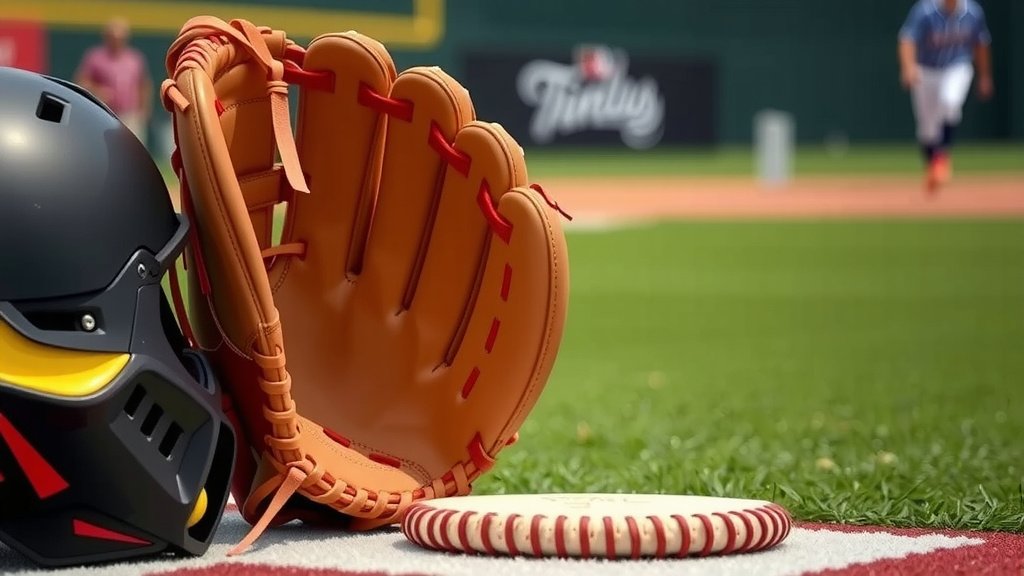
To keep your mitt in top shape, regular maintenance is important. Clean off dirt and debris after each use. Apply glove conditioner periodically. Store it properly, perhaps with a ball in the pocket, to maintain its shape. A well-cared-for mitt will last for seasons.
Here’s a quick checklist for your mitt:
- Is the fit snug but comfortable?
- Is the pocket deep enough for good control?
- Is there sufficient padding for protection?
- Is the wrist strap adjustable for security?
- Have you broken it in properly?
- Are you cleaning and conditioning it regularly?
Conclusion
You’ve learned that a catcher’s mitt is much more than just a glove; it’s a specialized tool designed for protection and performance. Its unique deep pocket, ample padding, and lack of finger stalls all work together to help you safely receive high-speed pitches and control the game from behind the plate. Understanding these features empowers you to choose and care for your own mitt effectively. Now, make sure your mitt fits well and is properly broken in to be ready for your next game!
Frequently Asked Questions
How do I break in a new catcher’s mitt?
Breaking in a catcher’s mitt is essential for comfort and control. You can use glove oil or conditioner on the leather to soften it. Many players also recommend working the pocket by repeatedly catching balls and storing it with a ball inside overnight. This process can take a few days to a few weeks.
Can I use a regular baseball glove as a catcher’s mitt?
No, it’s not recommended. A regular baseball glove lacks the extensive padding and deep pocket needed to safely catch fast pitches. Using a fielder’s glove for catching can lead to hand injuries and make it harder to secure the ball, resulting in dropped pitches.
How much padding is normal for a catcher’s mitt?
Catcher’s mitts have significantly more padding than fielder’s gloves, especially in the palm and thumb area. This padding is designed to absorb the impact of pitches traveling at high speeds, often over 80-90 mph. You should feel a substantial cushion when a ball lands in the pocket.
What size catcher’s mitt should I get?
Catcher’s mitts are typically measured by circumference, ranging from 32 to 35 inches. Younger players usually use smaller sizes, while adult professional players opt for larger ones. It’s crucial to try on mitts to find one that offers a snug, secure fit without being too tight.
How do I clean and maintain my catcher’s mitt?
After each use, wipe your mitt clean of dirt and debris with a damp cloth. Periodically apply a leather conditioner to keep the material supple and prevent it from drying out. Store your mitt properly, often with a ball in the pocket, to help it maintain its shape between games and practices.