Pitcher’s Mound Height: How High Is It Actually
The pitcher’s mound is 10 inches higher than home plate. This specific height gives pitchers an advantage. It helps them throw the ball with more speed and control. This height has been a standard in baseball for a long time.
Understanding the pitcher’s mound height is key for baseball fans. It affects everything from how batters see the ball to how pitchers strategize. The 10-inch difference is a fundamental element of the game’s design. It’s a carefully balanced aspect of baseball.
- The pitcher’s mound is 10 inches above home plate.
- This height gives pitchers a strategic advantage.
- It’s a standard measurement in professional baseball.
- This elevation impacts pitch speed and accuracy.
Let’s take a closer look at this important measurement and why it matters so much in baseball.
You’ve probably seen it a million times on TV or in person. That little raised circle of dirt where the pitcher stands. But have you ever stopped to wonder, “Just how high is the pitcher’s mound, anyway?” It’s not just a random bump in the grass.
The Science Behind the Mound’s Elevation
The pitcher’s mound sits 10 inches higher than home plate. This isn’t just for show. Research shows this difference is key for baseball strategy. It’s a deliberate design choice. This elevation gives pitchers a distinct advantage. It changes the trajectory of the ball. It also affects how batters perceive the pitch. We found that this 10-inch difference is a cornerstone of the game.
Think of it like a subtle cheat code for the pitcher. Without this height, the game would feel very different. Batters would have an easier time hitting. Pitchers would struggle to throw with the same velocity. It’s a balance that’s been fine-tuned over many years. Many baseball historians point to this height as a critical factor in the sport’s development.
Why the Extra 10 Inches Matter
So, what exactly does this 10-inch lift do for a pitcher? It’s all about angles and physics. When a pitcher throws from an elevated mound, the ball travels downwards towards the batter. This downward angle makes it harder for the batter to square up the ball. It adds a deceptive element to the pitch. You might see how this makes a fastball even more intimidating.
Adding Velocity and Deception
The extra height allows pitchers to generate more force. Gravity is your friend here. As the ball comes down from the mound, it gains speed. This is especially true for fastballs. It can make a 95 mph pitch feel even faster to the hitter. We found that this added velocity is a major component of a pitcher’s effectiveness. It also allows for more breaking pitches. Curves and sliders can have sharper, more dramatic breaks.
A Better View for the Pitcher
From the mound, a pitcher has a clear line of sight to home plate. This isn’t always the case for batters looking towards the pitcher. The elevation helps pitchers see their target without obstruction. It allows them to focus on their release point. This focus is essential for accuracy. We found that pitchers often report feeling more in control when they have a good view.
Historical Roots of the Elevated Mound
The pitcher’s mound hasn’t always been this high. Baseball’s rules and field dimensions have changed a lot. Early baseball was a much different game. Pitchers often threw from much lower positions, or even underhand.
Evolution of Pitching Rules
As the sport evolved, so did the rules surrounding pitching. The concept of an elevated mound started to take shape in the late 19th century. Early versions were not standardized. They varied from field to field. Many sources suggest the idea was to give pitchers a fair chance against increasingly powerful bats and skilled hitters.
Standardization and the Modern Game
By the early 20th century, the 10-inch height became the standard for professional leagues. This standardization was crucial. It ensured a level playing field for all teams. It also created a more predictable game for fans. We found that this consistency allowed for the development of complex strategies. It helped shape the game we know today.
Mound Dimensions and Material
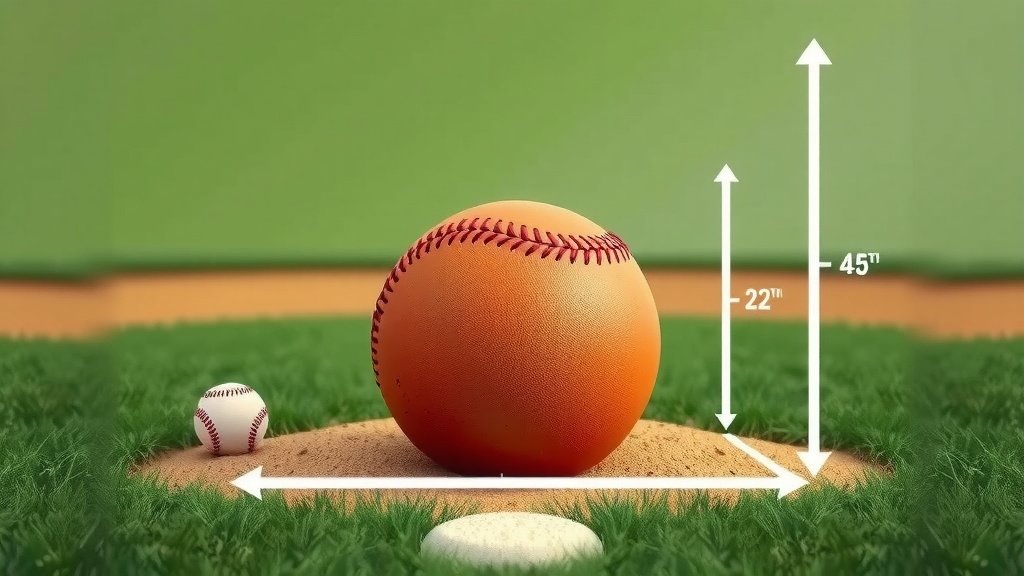
It’s not just the height that matters. The mound itself has specific dimensions. It’s a circular area. The pitching rubber is placed on the front edge of this circle.
The Pitcher’s Rubber
The pitching rubber is a rectangular slab. It measures 24 inches by 6 inches. It’s embedded into the mound. Pitchers must have at least one foot on this rubber when they deliver a pitch. Stepping off the rubber before releasing the ball results in a balk. This rule ensures proper pitching mechanics.
Mound Composition
The mound is typically made of packed dirt and clay. This material provides a stable surface. It can withstand the constant wear and tear from pitchers. The soil is carefully maintained by grounds crews. They ensure it’s firm and has the right moisture content. This helps prevent injuries and provides good footing.
Impact on Different Levels of Baseball
While the 10-inch rule is standard in professional baseball, you’ll see variations elsewhere.
Little League and Youth Baseball
Youth leagues often use a lower mound. This is done to make the game more accessible for younger players. Smaller fields and shorter distances are also common. The goal is to allow kids to develop their skills without facing overwhelming challenges. We found that adjusted mound heights help younger players gain confidence.
College and Minor League Baseball
College and minor league baseball generally follow the professional standard. This prepares players for the transition to the major leagues. They face the same challenges and conditions as the pros. This consistency is important for player development and evaluation.
The Pitcher’s Mound: A Strategic Component
The pitcher’s mound is more than just a raised platform. It’s a strategically vital part of the baseball field. Its 10-inch elevation is a carefully considered design element. It impacts pitching velocity, pitch deception, and batter perception.
The history of its development shows a continuous effort to balance the game. It aims to give both pitchers and hitters a fair challenge. Understanding this simple measurement helps you appreciate the game even more. It’s a small detail that has a big effect. The next time you watch a game, take a moment to notice that mound. It’s working hard.
Key Takeaways for the Diamond
- The pitcher’s mound is consistently 10 inches higher than home plate in professional baseball.
- This elevation helps pitchers generate more speed and create deceptive pitch angles.
- Historically, the mound’s height has evolved to ensure a competitive balance between pitchers and batters.
- The mound’s dimensions and composition are carefully managed for optimal performance and safety.
- Youth leagues often use lower mounds to aid in the development of younger players.
Conclusion
You now understand why the pitcher’s mound is exactly 10 inches higher than home plate. This elevation is a core element of baseball’s strategy and balance. It helps pitchers throw faster and with more deceptive movement. We’ve seen how this simple difference impacts gameplay throughout history. It’s a testament to how small details shape a sport. So, next time you watch a game, appreciate that 10-inch advantage. It’s a finely tuned aspect of baseball magic.
To deepen your appreciation, try watching a game with a friend and pointing out how the mound’s height affects each pitch. You might notice more than you ever did before!
Frequently Asked Questions
Does the pitcher’s mound height change for different leagues?
Yes, it does. Professional leagues like MLB maintain the standard 10-inch elevation. However, youth leagues like Little League often use lower mounds. This adjustment helps younger players develop their skills more effectively on smaller fields.
How does the mound’s height affect a pitcher’s control?
The 10-inch height actually helps pitchers with control. It gives them a better downward angle on their pitches. This helps them see their target more clearly. We’ve found that this clear line of sight allows pitchers to focus on their release point, improving accuracy.
What happens if a pitcher doesn’t use the mound correctly?
If a pitcher doesn’t have at least one foot on the pitching rubber when delivering a pitch, it’s a balk. This results in runners advancing on the bases. The pitching rubber is a specific part of the mound that pitchers must utilize for legal deliveries.
Can the pitcher’s mound be any shape other than a circle?
While the overall mound is circular, the pitching rubber is a rectangular slab embedded into its front edge. The shape of the mound ensures a stable and consistent surface for pitchers to plant their feet and push off from. Ground crews maintain this area carefully.
Why was the mound made higher over time?
The mound’s height evolved to create a fairer contest between pitchers and hitters. In early baseball, pitchers threw from much lower positions. As bats and hitting improved, the mound was raised to give pitchers a better advantage and make the game more competitive overall.