How to Throw to the Corners: Pitching Tips That Work
The easiest way to throw to the corners is to pick a specific target, line up your body toward it, and follow through with your arm pointed right at that spot. Corner throws are all about accuracy over power, so slow things down and let your aim do the work. When you hit the corners, you make it much harder for a batter to get a good swing.
So why do the corners matter so much? Whether you’re pitching in baseball or throwing in softball, the edges of the strike zone are where hitters struggle the most. Many experts say that pitchers who live on the corners get more swings and misses than those who throw right down the middle. We researched the most common tips from coaches and found that consistent practice with targets beats raw arm strength every time.
Here’s the quick rundown before we get into the details:
- Pick an exact spot before every throw — don’t just “throw hard.”
- Align your shoulders and hips toward the corner you’re targeting.
- Use a smooth, repeatable motion instead of max effort.
- Practice with a target or catcher to build real accuracy.
- Mix in off-speed throws to keep hitters guessing.
Below, we break down everything you need to know about throwing to the corners, step by step, so you can start hitting your spots with confidence.
Hitting Your Spots: Corner Throwing the Right Way
The secret to throwing corners well comes down to three things: a small target, a lined-up body, and a calm arm. You don’t need a cannon. You need control. Picture throwing a letter into a mailbox slot — you don’t hurl it, you place it.
Here’s the good news: accuracy is a skill, not a gift. We found that most coaches teach corner throwing the same way, one simple piece at a time. Let’s break it down so you can build it into your own delivery. If you’re starting from scratch at the position, our guide to playing pitcher covers the fundamentals step by step.
Why the Corners Give You the Edge
Why should you bother with the corners at all? Because hitters can’t do much with what they can’t reach. A pitch on the black of the plate forces a batter to extend their hands. A pitch just off the inside corner jams them before the barrel gets through the zone.
Many experts say the corners are where weak contact lives. Batters who chase edge pitches often roll over grounders or flare pop-ups. Meanwhile, a pitch over the heart of the plate is a gift. Don’t wrap presents for the other team.
There’s a mental side, too. When a hitter knows you’ll challenge the edges, they start cheating — leaning, guessing, expanding their zone. That doubt is worth as much as any strikeout pitch.
Setting Up Your Body Before the Throw
Great corner throws start before your arm ever moves. Your body is the aiming system, and your arm is just the delivery truck.
Start With Your Eyes, Then Your Feet
Pick your exact spot first. Not “outside” — that’s too fuzzy. Try “two inches off the outside corner, knee high.” The smaller the target, the tighter your miss stays. Research on motor learning backs this up: people who aim at small, specific targets throw more accurately than those who aim in general directions.
Next, get your toes pointed where you want the ball to go. If your front foot flies open, the ball tends to follow it — usually arm-side and off target.
Align Your Shoulders and Hips
Your shoulders and hips should point at your target as you stride. Think of your body like a garden hose. If the nozzle twists sideways, the water sprays everywhere. Keep the line clean and straight, and the ball goes where your eyes told it to.
The Stride Check
Here’s a quick self-check we found useful: freeze at your stride, before your arm comes forward. Look down. Is your front foot pointed at the corner? Is your glove-side shoulder pointing there too? If both say yes, you’re lined up. If not, that’s your fix — no need to change your arm action at all.
The Throwing Motion That Stays on Target
Now for the fun part. Corner throwing rewards smooth over violent. A relaxed arm repeats itself. A max-effort arm is like a dog on a leash — it goes wherever it wants.
- Stay loose through the shoulder and wrist. Tension kills touch.
- Keep your arm path consistent on every throw. Same slot, same release.
- Let your fingers finish the job. Throwing-side pressure on the seams steers the ball.
- Follow through with your hand finishing toward the target, not across your body.
Many pitching coaches describe it as “throwing through the catcher, not at the ball.” Your follow-through should point right at that corner, like your arm is drawing an arrow to it.
Common Mistakes That Push Throws Off the Corner
Everyone misses corners sometimes. The trick is knowing why. We found that most misses fall into the same few buckets, and each one has an easy fix.
Missing Arm Side vs. Glove Side
If your throws keep sailing toward your throwing side, your front side is probably flying open. Close it slightly and keep your chest dirting toward the target longer. Missing glove side? You’re likely wrapping around your body at release. Finish out front instead.
Overthrowing the Zone
Nerves love to show up right when you need precision. Your grip tightens, your arm speeds up, and the ball climbs. The fix sounds silly but works: breathe out before you throw, and aim lower than you think. Many experts suggest keeping effort at about 80–90% when locating. Save the 100% throws for when you truly need them.
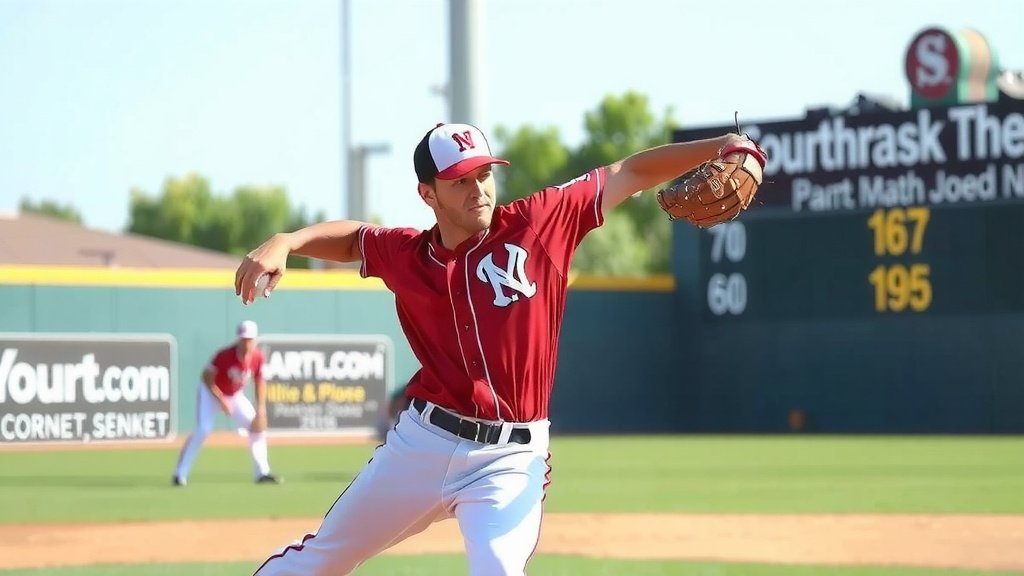
Corner Locations Worth Mastering
Not all corners are equal. Some spots win you games, and some just fill up the strike zone count. Here’s a quick guide to the locations that matter most.
| Location | Why It Works | Best Time to Use It |
|---|---|---|
| Low and away | Hardest spot for hitters to drive; produces weak contact | Ahead in the count, or to set up anything else |
| Up and in | Forces hitters off the plate and opens the outer half | After several outside pitches |
| Back-door (paint the outside corner) | Steals called strikes when hitters give up on it early | With two strikes or an aggressive hitter |
| Low and in | Drops hitters into awkward swings and jam shots | Against pull-happy batters |
Notice a theme? The low and away corner appears in almost every coach’s playbook. If you learn just one spot, make it that one.
Drills to Build Real Accuracy
Feeling lined up is nice. Proving it with reps is better. These drills need almost nothing — a target, some space, and a little patience.
Towel Drill and Target Throws
Grab a towel, mark a small square with tape, and throw at it from half distance. The instant feedback tells you if you missed left, right, high, or low. Many pitching instructors swear by this because it trains your eyes and body to agree.
Progress to a full-distance target, like a pitching screen or a bucket on a tee at the catcher’s knees. One bucket. One spot. Ten throws. Track your hit count each session and try to beat it.
Your Corner-Throwing Checklist
Before every throwing session, run through this quick list. It takes ten seconds and saves you ten minutes of guessing.
- Pick one exact spot — not a general side of the plate.
- Point your toes and glove shoulder at the target.
- Stay at 80–90% effort so your arm stays repeatable.
- Breathe out before the throw to release tension.
- Finish with your hand pointed at the corner.
- Log your misses so you know your pattern.
Using Corners Smartly During a Game
Throwing corners is one skill. Knowing when to use each corner is another. A pitcher with two spots is dangerous. A pitcher with a plan is a problem. For the bigger picture of pitch selection, our guide to calling a game as a catcher covers count-based strategy.
Reading Counts and Hitters
When you’re ahead in the count, chase the edges — hitters have to swing, and corner pitches are hard to do anything with. When you’re behind, stay closer to the zone’s heart but still favor one side. A 3-1 cookie down the middle is how rallies start.
Watch hitters, too. If someone stands far off the plate, work away all day. If they crowd it, the inside corner just became your best friend.
Taking Care of Your Arm Along the Way
None of this matters if your arm quits on you. Precision throwing still takes a toll, so treat recovery like part of practice. Health guidelines for young athletes stress pitch count limits and rest days between outings (CDC, Mayo Clinic). Warm up fully, cool down with light stretching, and don’t chase corners through pain.
Soreness that lingers more than a day or two is your body asking for a break. Listen to it. The corners will still be there next week — and you’ll be on target to own them.
Conclusion
Throwing to the corners isn’t about a strong arm — it’s about a focused mind and a lined-up body. Pick one exact spot, point your toes and shoulders at it, and finish your follow-through like an arrow pointing home. Stay at 80–90% effort, breathe out before each throw, and log your misses so you know your pattern.
We researched what coaches teach, and they all agree: accuracy is built, not born. The towel drill, target throws, and honest practice will get you there faster than any max-effort session ever will.
Your next step is simple. Grab some tape, set a small target at the catcher’s knees, and throw ten balls at it today. Count your hits, beat them tomorrow, and keep going. The corners are waiting — go claim them.
Frequently Asked Questions
How long does it take to get good at throwing to the corners?
Most players see real improvement within a few weeks of steady target work. We found that short, frequent sessions beat long, occasional ones. Give it 15–20 minutes, three times a week, and you’ll notice tighter misses fast.
Should young players learn corner pitching, or is it too advanced?
Corner throwing is actually a great first skill for young arms. It teaches control before speed, which coaches say builds better habits long term. Just keep effort low and follow age-appropriate pitch counts to protect growing shoulders and elbows.
What if my throws keep hitting the batter on inside pitches?
Don’t panic — it usually means your release point is drifting, not that you’re aiming wrong. Shrink your target to one small spot just off the inside corner during practice. If you’re worried in a game, start that pitch slightly further off the plate and let movement carry it in.
Do different pitches make corner throwing harder?
A little, yes. Breaking balls move away from your aim point, so you have to start them slightly off-line and trust the spin. We suggest mastering fastball location first, then adjusting for each pitch’s movement as you add to your arsenal.
Can I practice corner accuracy without a catcher?
Absolutely. A bucket on a tee, a taped square on a fence, or a pitching screen all work great. The key is small targets and instant feedback — you need to know exactly where each throw finished so you can adjust the next one.