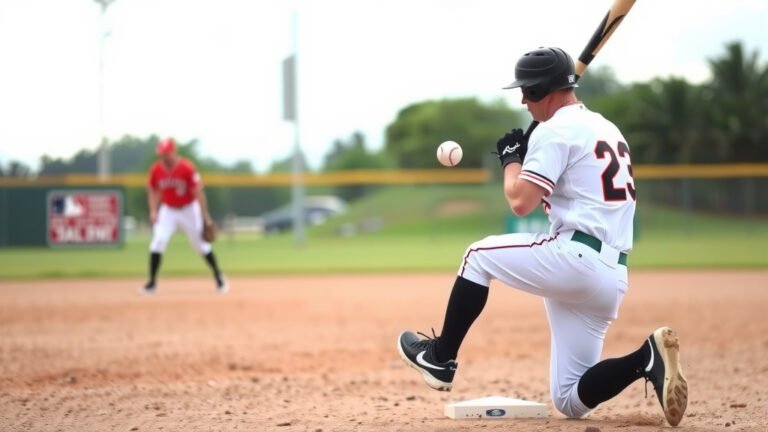
Mastering Shortstop: Your Essential Playing Guide
Playing shortstop means making quick decisions and having great reflexes. You’ll need to be agile and able to move well to cover your area. It’s a really active position on the field.
Shortstop is often called the toughest position in baseball. It’s a spot where you handle a lot of action. Your ability to field ground balls and make accurate throws is super important.
- Mastering the shortstop position requires good footwork and glove skills.
- You need to anticipate where the ball will go and move quickly.
- Accurate throwing is key to getting runners out.
- Communication with other infielders is also vital.
- Practice drills will build your confidence and ability.
Let’s walk through the key skills and tips to help you play shortstop like a pro.
Mastering the Shortstop Position
Playing shortstop is a demanding but rewarding role. You’re right in the thick of the action. It requires a blend of agility, quick thinking, and a strong arm. Let’s dive into what it takes to excel at this exciting position.
Essential Skills for a Shortstop
Footwork and Agility
Your feet are your best friends at shortstop. You need to be able to move quickly in any direction. Good footwork helps you get to the ball before it passes you. It also sets you up for a clean throw. Think of yourself as a dancer on the infield dirt. You’re always in motion, ready to react. Research shows that agility training can improve reaction time and ground coverage (ACSM).
Glove Work and Fielding
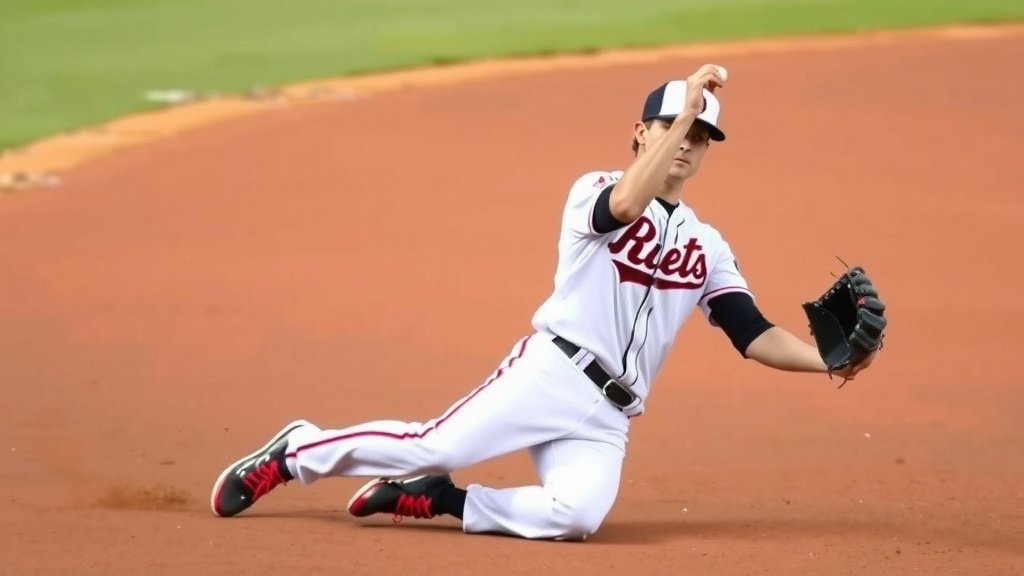
Catching the ball cleanly is your primary job. You’ll field many ground balls. Some will be slow rollers, others hard shots. Your glove needs to be an extension of your hand. You want to “catch the ball in your glove” rather than “letting the ball hit your glove.” This means keeping your glove low and out in front of your body. When a ground ball is hit, get your body behind it.
We found that practicing different types of ground balls is key. Short-hop plays, backhands, and forehands all require specific techniques. Focus on keeping your glove hand firm. This prevents the ball from popping out. Your goal is a clean pickup every time.
The Throw: Accuracy and Strength
Once you field the ball, the next step is a strong, accurate throw. Shortstop is known for its long throws to first base. You need to get the ball there quickly and on target. Many experts suggest developing a consistent throwing motion (MLB.com Training).
Practice throwing from different angles and distances. Work on your transfer from glove to throwing hand. A smooth, efficient transfer saves precious milliseconds. Aim for the catcher’s glove on your throws. This helps your first baseman make the play easily. A wobbly throw can lead to an error.
Anticipation and Situational Awareness
Great shortstops don’t just react; they anticipate. You need to read the batter and the situation. Where is the ball likely to be hit? What’s the count? Are there runners on base?
As a ball is hit, your eyes should track it immediately. Your brain should already be calculating the best way to get to it. This takes a lot of game experience. You learn to recognize tendencies. For example, some hitters pull the ball hard. Others hit it to the opposite field. Knowing this helps you position yourself. Many coaches say that understanding the game is as important as physical skills.
Drills to Sharpen Your Skills
Ground Ball Fielding Drills
You can’t get enough ground ball practice. Try these drills:
- Pepper Drill: This is a classic. You and a partner hit ground balls back and forth quickly. It improves reaction time and glove control.
- Soft Toss Drills: Have a coach or teammate softly toss balls to you. Focus on getting your body behind the ball and fielding it cleanly.
- Fungo Drills: A fungo bat allows for controlled hits. Your coach can hit balls directly to you, simulating game situations. Practice fielding and throwing from various distances.
- Two-Handed Backhand: Practice fielding balls hit to your backhand. Get your body turned and use both hands if needed for control.
Throwing Accuracy Drills
Building a strong arm is important, but accuracy wins games. Try these:
- Partner Throws: Start at short distance and gradually increase the range. Focus on hitting a small target.
- Infield Relay: Practice receiving a throw from another infielder and making a quick, accurate throw to a base.
- Target Practice: Set up a target (like a bucket or a specific spot on a wall) and throw to it from different infield positions.
Communication is Key
Shortstop is an active position, but you’re not alone out there. You need to talk to your teammates. Especially your second baseman and third baseman.
Before a pitch, call out plays or potential situations. If a ball is hit into the gap between you and the second baseman, one of you needs to call for it clearly. “I got it!” or “Yours!” can prevent collisions and ensure the ball is caught. Many baseball organizations stress communication as a top priority for infielders (National Baseball Hall of Fame Education).
During a play, keep talking. Let your teammates know if a runner is advancing or if you’re making a throw. This constant chatter keeps everyone on the same page. It’s like a well-oiled machine.
Positioning on the Field
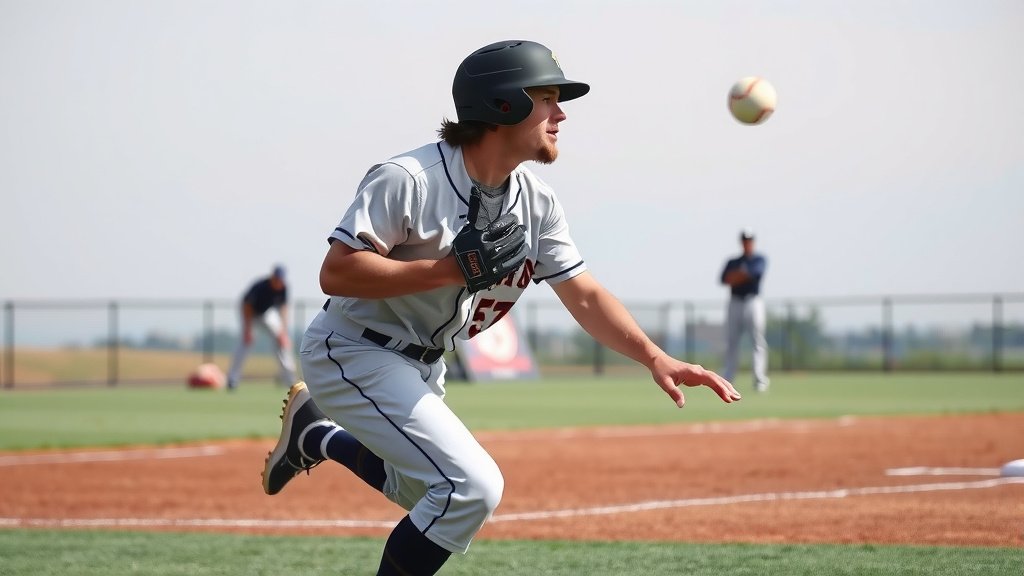
Where you stand at shortstop can change. It depends on the batter, the count, and the runners on base.
Against Left-Handed Hitters
Against a lefty batter who likes to pull the ball, you might play a bit deeper. This gives you more time to react to hard-hit balls. You may also shift slightly towards the right side of second base. This covers more ground for pulled grounders.
Against Right-Handed Hitters
For right-handed hitters, you might position yourself more conventionally. If the batter hits to the opposite field often, you may shade a bit that way. When there are runners on base, you often play closer to the base line. This is to be ready for bunts or slow rollers.
With Runners On Base
When a runner is on first, you often play closer to second base. This helps you cover more ground for potential double plays. If there’s a runner on second, you might play a bit deeper. This accounts for balls hit into the outfield gap.
Common Shortstop Mistakes to Avoid
Even experienced players can fall into bad habits. Here are a few common pitfalls at shortstop:
- Not getting low enough: Many ground balls are missed because the fielder’s glove is too high. Get your glove down and your body behind the ball.
- Fumbling the transfer: A slow or clumsy transfer from your glove to your throwing hand can cost you an out. Practice this transfer until it’s smooth.
- Throwing too hard, not accurately: While strength is good, an accurate throw is better. A wild throw can lead to an error or the runner advancing.
- Not communicating: Don’t assume your teammate knows who is going for the ball. Call it out!
- Being lazy with footwork: Always be ready to move. Standing flat-footed will get you beat.
A Checklist for Shortstop Success
Here’s a quick rundown to keep in mind:
- Stay low when fielding ground balls.
- Practice your glove-to-hand transfer.
- Develop a consistent, accurate throw.
- Communicate with your infielders.
- Read the batter and the situation.
- Always be ready to move your feet.
Conclusion
You’ve learned that playing shortstop is all about quick feet, a soft glove, and a strong, accurate arm. Mastering this position means consistently practicing your fielding, developing your throwing mechanics, and always staying aware of the game. Remember to communicate with your fellow infielders and adjust your positioning based on the batter. Put in the work, and you’ll see your confidence and abilities grow on the diamond. Now, get out there and put these skills to the test!
Frequently Asked Questions
What’s the most important skill for a shortstop to have?
While many skills are important, accuracy and quickness in your throw are often considered the most vital. You need to get the ball to your target quickly and on the money, especially for making double plays or throwing out speedy runners. Many players and coaches agree this is key.
How can I improve my glove work at shortstop?
Consistent practice is the best way to improve your glove work. We found that drills like pepper and soft toss are excellent for building comfort and control. Focus on getting your body behind the ball and keeping your glove firm. Aim to “catch” the ball rather than letting it hit your glove.
Should I always play in the same spot at shortstop?
No, your positioning needs to be flexible. You should adjust where you stand based on the batter’s tendencies, the game situation, and whether there are runners on base. For example, you might play deeper against a strong hitter or closer to second base with a runner on first.
How important is communication for a shortstop?
Communication is extremely important. As the shortstop, you’re in a central position and need to talk to your second baseman and other infielders. Calling out who will field a ball or letting them know where a runner is can prevent errors and create a smoother defense.
What’s a common mistake new shortstops make with ground balls?
A very common mistake is not getting low enough to field ground balls. This often leads to the ball going under your glove or bouncing over it. You need to bend your knees and get your glove down, aiming to get your body behind the ball as much as possible.