Metal vs Molded Baseball Cleats: Which Is Right for You?
Metal cleats win for grip and traction on dirt and grass, while molded cleats are the safer, more versatile pick for younger players and turf fields. The biggest difference between baseball cleats metal vs molded comes down to your age, your league’s rules, and the surface you play on. Metal spikes dig in deep, but many leagues ban them below high school level.
So which one should you buy? That depends on where you play and how often. We researched what coaches, league rules, and gear experts recommend, and we found a pretty clear pattern: metal cleats suit serious high school and adult players, while molded options cover everyone else. Many leagues even require molded cleats for younger age groups, so check your league rules before spending a dime.
- Metal cleats offer the best grip on soft dirt and grass.
- Molded cleats work on almost any surface, including turf.
- Most youth leagues ban metal spikes for safety reasons.
- Metal cleats cost more and wear out faster on hard ground.
- Your age and league rules usually make this decision for you.
Below, we break down everything you need to know, from traction and comfort to price and durability, so you can pick the right pair with confidence.
Metal vs Molded Cleats: The Core Differences
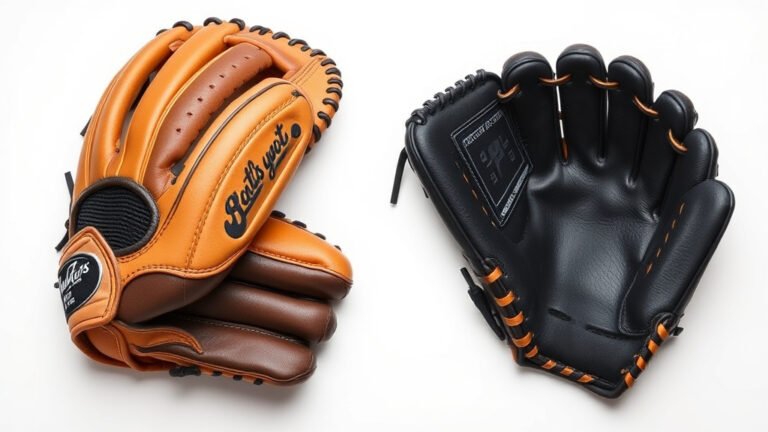
Both cleats help you grip the field. The real difference is how deep they dig. Metal spikes are thin, sharp points. Molded cleats are shorter, rubbery studs that are part of the sole itself.
Think of it like shoes for hiking. Metal spikes are your serious trail boots. Molded cleats are your comfy everyday sneakers. One is built for one job. The other handles almost anything.
Metal Cleats: Where They Win and Lose
Metal cleats give you the deepest traction in baseball. We found that most high school and college players switch to metal the moment their league allows it. But they come with real trade-offs you should know about first.
Where Metal Spikes Shine
Soft dirt and wet grass are where metal spikes earn their keep. The points pierce the surface instead of sitting on top of it. That means better bursts out of the batter’s box and sharper cuts on the basepaths.
Pitchers love them too. Pushing off the rubber with metal gives you a more stable base. Catchers also get solid footing when they need to pop up and throw.
- Best grip on soft, natural surfaces.
- Great for quick bursts and hard stops.
- Preferred by serious high school, college, and adult players.
The Drawbacks of Metal
Here’s the catch. Metal spikes wear down fast on hard ground and fake turf. They also cost more, usually $20 to $40 extra over a similar molded pair.
And there’s a safety side. Thin metal points can catch awkwardly on hard surfaces. Sports medicine groups note that cleat design plays a role in ankle and knee injuries, with ankle sprains among the most common issues in field sports (Mayo Clinic).
Molded Cleats: The All-Around Choice
Molded cleats are the versatile option. The studs are built into the sole, usually made of rubber or hard plastic. If you play on different fields all season, this is your safest bet.
Where Molded Cleats Perform Best
Molded cleats handle almost every surface a young player will see. Dry dirt, packed clay, grass, and turf all work. You can also wear them for practice on days when the field is hard as concrete.
They’re easier on your feet, too. The shorter studs spread pressure more evenly, which many players find more comfortable over a long game.
Trade-Offs to Accept
You give up some grip in soft, muddy conditions. Molded studs simply can’t dig as deep as metal. On a rain-soaked infield, you might slip a bit more.
That’s usually a fair trade for most players. A little less bite in the mud beats spikes you can’t legally wear anyway.
League Rules: The Real Decision Maker
Before you fall in love with a pair, check your league’s rulebook. This one step saves you from wasting money. Many youth organizations ban metal cleats entirely.
The general pattern we found across leagues looks like this:
| Level | Metal Cleats | Molded Cleats |
|---|---|---|
| Recreational youth (under 13) | Usually banned | Required or recommended |
| Travel ball (12U–14U) | Often banned | Standard choice |
| High school (NFHS) | Allowed | Allowed |
| College (NCAA) | Allowed | Allowed |
| Adult rec leagues | Varies by league | Almost always allowed |
Rules change by organization and age group, so ask your coach or league administrator. It takes two minutes and can save you a $60 mistake.
Traction and Safety Across Surfaces
Matching your cleat to the field matters more than most parents realize. The wrong cleat on the wrong surface can lead to slips, stumbles, and sprains.
Youth sports safety guidance consistently stresses proper footwear for the playing surface as a basic injury-prevention step (CDC). In plain terms? Don’t wear metal on concrete-hard fields, and don’t expect molded studs to bite into deep mud.
Turf and Hard Ground
Artificial turf is a different animal. Metal spikes grab too much and can lock your foot in place while the rest of your body keeps moving. That’s a recipe for knee and ankle trouble.
When to Consider Turf Shoes
If your team practices on turf a lot, look at turf shoes. They have hundreds of tiny rubber nubs instead of studs. Many players keep a pair just for indoor and turf work.
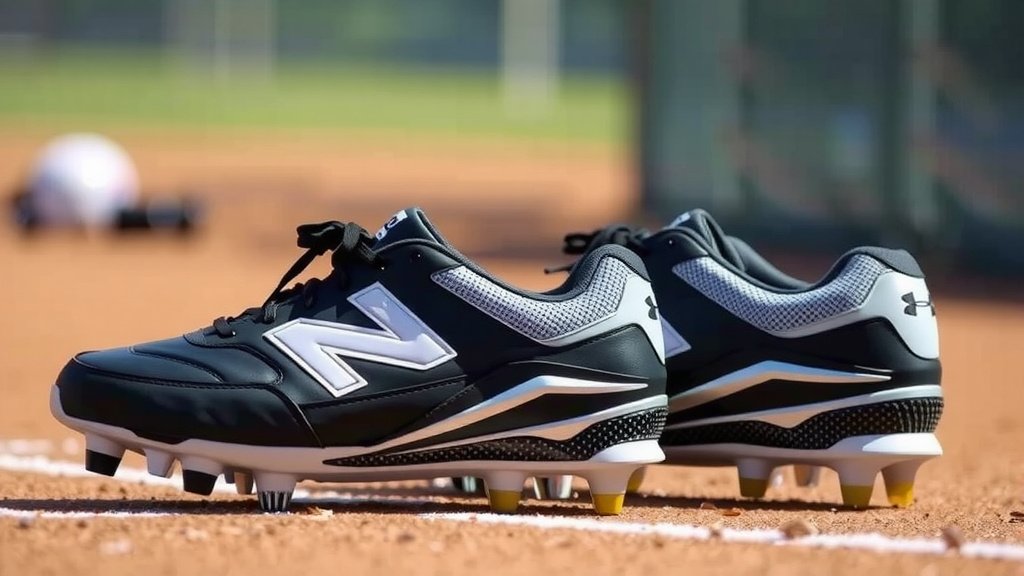
Cost, Comfort, and Durability Compared
Let’s talk money and lifespan, because cleats aren’t cheap. Kids grow out of them fast, and adult players burn through a pair or two per season. Cleats aren’t the only gear line item — our guide to how much a baseball bat costs breaks down that budget too.
We found a fairly consistent pattern across brands and price points:
- Price: Molded cleats usually start $15–$25 cheaper than comparable metal models.
- Durability: Molded studs last longer on hard surfaces. Metal tips dull and snap.
- Comfort: Molded needs less break-in time. Metal can dig pressure points into your forefoot.
- Versatility: Molded works on turf, dirt, and grass. Metal works on soft natural surfaces only.
- Replacement cycle: Molded pairs often last a full season of regular play. Metal may need replacing sooner.
One more comfort note: whatever you buy, break them in before game day. Wear them to a practice or two first. Blisters in the third inning are nobody’s friend.
So Which One Should You Buy?
If you’re a high school player or adult competing on natural grass and dirt, go metal. The grip advantage is real, and your league allows it. Keep a molded pair as a backup for hard fields.
If you’re a youth player, a multi-surface athlete, or a parent buying for a growing kid, go molded. They’re safer, cheaper, more comfortable, and legal almost everywhere. That’s a win across the board.
Your Pre-Purchase Checklist
Run through this list before you click buy. Sixty seconds now, zero regrets later.
- Confirm your league’s cleat rules for your age group.
- Match the cleat type to your main playing surface.
- Leave a thumb’s width of room in the toe box.
- Check whether your league allows low-cut, mid, or high tops.
- Plan to break them in during practice, not a game.
- Set a budget you’re okay replacing each season.
Follow those steps and you’ll walk onto the field with the right pair on your feet. Your ankles, your wallet, and your batting average will all thank you.
Conclusion
At the end of the day, the baseball cleats metal vs molded debate comes down to three things: your age, your league rules, and your field. Metal spikes give you the deepest grip on soft dirt and grass, but molded cleats win on price, comfort, and versatility. We found that most players don’t actually get to choose — the rulebook and the field surface make the call for them. If you’re eligible for both, keep a pair of each and match them to the conditions.
Your next step is simple: check your league’s cleat policy this week, then buy for the surface you play on most. Get that part right, and everything else falls into place.
Frequently Asked Questions
Can you wear metal cleats in high school baseball?
Yes, metal cleats are allowed under NFHS rules for high school play, and most varsity players wear them. College baseball allows them too. Double-check with your coach anyway, since some private tournaments or showcase events still restrict spikes.
Do MLB players wear metal cleats?
They do. Professional players almost always wear metal spikes on natural grass and dirt because the grip advantage matters at that level. You’ll occasionally see a veteran in molded cleats for comfort, but metal is the standard in the big leagues.
Can you replace metal cleats with molded studs on the same shoe?
Some brands sell cleats with interchangeable plates, but they’re uncommon and usually pricey. Most baseball cleats are built as either metal or molded and can’t be swapped. If you need both types, buying two pairs is typically cheaper than one convertible model.
Do metal cleats hurt more than molded cleats?
Many players find metal cleats less comfortable, especially during break-in. The spikes sit under your forefoot and can create pressure points on hard ground. Molded cleats spread that pressure more evenly, which is one reason younger players start with them.
How long should a pair of baseball cleats last?
For a player in a full season of regular games and practices, expect one season from a molded pair. Metal cleats may wear out sooner if you play on hard or dry fields, since the tips dull and can snap off. Growing kids often outgrow cleats before they wear out.