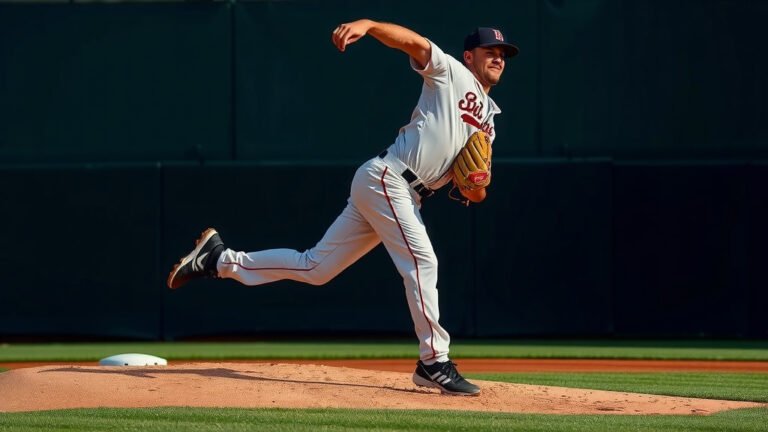
How to Mix Pitches Effectively: Tips for Balanced Sound
The best way to mix pitches effectively is to throw different pitch types in unpredictable sequences, so hitters can never sit on one pitch. Great pitchers don’t just have a good fastball. They know when to use it, and when to keep hitters guessing.
Why does this matter so much? Because hitters time everything. When you mix speeds, locations, and movement, their timing falls apart. We researched what top pitching coaches teach, and we found that pitch sequencing matters just as much as raw velocity. You don’t need a 100 mph fastball to win matchups. You need a plan.
Here’s the short version:
- Lead with your best pitch, then build around it
- Change speeds early and often to disrupt timing
- Use location to make each pitch look worse than it is
- Avoid predictable patterns, like fastball-slider-fastball every inning
- Adjust your mix based on what hitters show you
Sound like a lot? Don’t worry. Below, we walk you through exactly how to mix pitches step by step, so you can keep hitters uncomfortable every single at-bat. If you’re still building the basics, our beginner’s guide to playing pitcher covers the core skills first.
Building Your Pitch Mix the Smart Way
The smartest way to build a pitch mix is to start with your best pitch and add one or two others that look alike but behave differently. That’s it. Everything else flows from there.
We found that most pitching coaches agree on this point. Your best pitch is your anchor. If your fastball is your bread and butter, everything else exists to make that fastball look better.
Start With Your Strength
Ask yourself a simple question: what pitch can you throw for a strike when the count is tough? That’s your foundation. Many experts say young pitchers spread themselves too thin by working on five pitches at once.
Instead, get so good at one pitch that hitters have to respect it every time. Then your other pitches become twice as effective.
Pair Pitches That Look the Same
Here’s a fun way to think about it. A fastball and a changeup leave your hand looking like twins. One is fast, one is slow. The hitter’s eyes see the same thing, but his hands get fooled.
Research on hitter perception suggests batters pick up on arm speed and release point more than actual spin. So the closer your release points, the better your mix works (NIH).
The Classic Pairings That Work
- Fastball + changeup — speed difference messes with timing
- Fastball + slider — hard velocity, then late break
- Curveball + fastball — big Loops make heat look faster
- Sinker + four-seamer — same speed, different movement
Pick one pairing. Master it before you add more. Seriously, two great pitches beat four mediocre ones almost every time.
Sequencing: The Order of Your Pitches
Sequencing means the order you throw pitches in. The same pitches in a different order can produce totally different results. We found that this is where most amateur pitchers lose hitters.
Think of it like telling a joke. The setup matters as much as the punchline. If you throw your best pitch in the wrong spot, it’s wasted.
Establish the Fastball Early
Most coaches recommend showing your fastball early so hitters know you can throw it for strikes. If they can’t trust that you’ll challenge them, they’ll simply stop swinging at everything else.
Once they know your heater is honest, that’s when offspeed pitches start earning swings and misses. The threat is what gets outs, not just the pitch itself.
The First-Pitch Advantage
Here’s a wrinkle many pitchers ignore. Hitters often look for a first-pitch fastball. Throwing a changeup or breaking ball first can steal a strike for free.
We found that mixing up your first pitch — rather than always going heater — keeps hitters from ambushing you early in the count. Just don’t make a pattern out of it either. You see the problem, right? Any pattern becomes predictable.
Changing Speeds to Break Timing
Changing speeds is the single fastest way to disrupt a hitter’s timing. A hitter who expects 90 mph and gets 78 is swinging at air before the ball arrives. To see why that gap is so hard to hit, our breakdown of a 90 mph pitch explains hitter reaction time.
Many hitting instructors teach that batters time velocity, not the ball itself. So a well-timed changeup can be more devastating than a fastball two ticks harder. You don’t need to throw harder. You need to throw differently.
Where to Throw Slow Pitches
Location makes your changeup or curveball work. Studies of pitch data show that offspeed pitches work best low and below the zone, where hitters can’t lift the ball.
Throw your slow stuff up in the zone, and it leaves the ballpark. Throw it down, and hitters roll over or take it for a strike. Same pitch, wildly different outcome.
Using Location to Amplify Your Mix
Location turns good pitches into great ones. A fastball at the knees is a different animal than one at the belt, even at identical speed.
We found that the best sequencers use tunnels and eye lines. They throw two pitches that start on the same path, then break in different directions. The hitter commits to one path and gets burned.
A Simple Location Chart
Here’s a quick reference for where each pitch usually plays best. Keep in mind every pitcher is different.
| Pitch | Best Location | Why It Works |
|---|---|---|
| Four-seam fastball | Up and armside | Ride past barrels |
| Sinker | Low, armside | Ground balls |
| Changeup | Low, offspeed depth | Weak contact, chases |
| Curveball | Low, glove side | Drop-out swings |
| Slider | Back foot, glove side | Swords and whiffs |
Print this out. Tape it to your bedroom mirror. Kidding — sort of.

Reading the Hitter and Adjusting
Your plan means nothing if the hitter has already solved it. Watch their body language. Are they leaning? Squatting? Chasing anything low? Their approach tells you what to throw next.
We found that pitchers who make in-game mid-at-bat adjustments outlast those who follow a script blindly. Your plan is a starting point, not a cage.
Signs a Hitter Is Locked In
- They foul off your best pitch with two strikes
- They take your breaking ball for a ball easily
- Their load looks early — they’re sitting on your heater
- They’re hunting one zone and spitting on everything else
When you see these signs, change speeds or change sides of the plate. Do something they haven’t seen from you today.
Mistakes That Make Your Mix Predictable
The biggest pitching sin isn’t a bad pitch. It’s a bad habit. Here’s a checklist to audit yourself after every outing:
- Same pitch order every inning — hitters catch on by the third time through
- Breaking ball always behind in the count — you’re telegraphing it
- Offspeed only when ahead — throw it when even, too
- Same location with every pitch — move the target around
- Ignoring your bullpen data — know your real strengths, not your imagined ones
- Never shaking your catcher off — mix in your conviction pitch now and then
Sound harsh? Maybe. But breaking these patterns is often the fastest upgrade a pitcher can make without gaining a single mile per hour.
Practicing Your Sequencing Between Starts
Sequencing isn’t just game-day thinking. You can drill it. Many coaches have pitchers throw planned five-pitch sequences in bullpens — fastball, changeup, fastball, slider, fastball — and treat each one like a real at-bat.
We found that this kind of scenario practice builds comfort fast. When the game gets tight, you’re not inventing a plan. You’re running one you’ve already rehearsed a hundred times.
A Simple Bullpen Drill
Pick three pitches. Write down a six-pitch sequence before you throw. Execute it to a specific target each time. Then ask yourself: did each pitch set up the next one? If yes, you’re sequencing like a pro.
Do that twice a week and watch how quickly your mixes start feeling automatic on the mound.
Conclusion
Mixing pitches well comes down to a few simple habits. Build around your best pitch, pair pitches that look alike out of your hand, and change speeds to wreck a hitter’s timing. Then use location to make every pitch nastier, and adjust the moment a hitter shows you he’s figured you out.
Here’s the good news: none of this requires more velocity. It requires a plan and repetition. We found that pitchers who rehearse sequences in the bullpen see results in games almost immediately.
So here’s your next step. Before your next bullpen session, write down one six-pitch sequence. Throw it until it feels automatic. That’s how mixing pitches stops being a theory and becomes your weapon.
Frequently Asked Questions
How many pitches does a pitcher actually need?
Most pitchers only need two or three pitches they can throw for strikes in any count. Research we reviewed suggests depth beats breadth every time. A great fastball-changeup mix will outperform five average pitches at almost any level.
Should pitchers call their own pitches?
It depends on your level and comfort. Many coaches want catchers or coaches calling games early on, then hand over the reins as pitchers mature. If you know your own strengths and the hitter’s weaknesses, calling your own game can speed up your rhythm and build confidence.
What is pitch tunneling and does it really matter?
Tunneling means throwing two different pitches that travel along the same visual path before breaking apart. Hitters commit to a path early, so the closer your release points, the later they can pick up the difference. It matters most for offspeed and breaking pitches paired with your fastball.
How do you mix pitches against a lineup the second or third time through?
Flip your patterns. If you established your fastball early the first time through, lean more on offspeed and different arm slots later. Hitters remember what you showed them, so giving them a new look keeps their timing honest even when your stuff hasn’t changed.
Can a slow pitcher mix pitches effectively?
Absolutely. Velocity helps, but timing disruption works at any speed. A 75 mph fastball paired with a 62 mph changeup creates the same timing gap as a big leaguer’s heater and splitter. Command, movement, and deception matter more than raw speed.