
Runner in Scoring Position Explained Simply
A runner in scoring position means you have a runner on second or third base. This puts them in a prime spot to score a run on a base hit. It’s a key situation in baseball that teams often try to create. Having a runner in scoring position dramatically increases your chances of plating a run.
When a runner is on second or third, even a single can often bring them home. This is why batters focus on driving in runs when they have runners in scoring position. It’s a tactical advantage that can quickly shift the momentum of a game. This situation is often called “RISP.”
- A runner in scoring position is on second or third base.
- They are close enough to score on most hits.
- This situation is a major offensive opportunity.
- It’s often abbreviated as RISP.
- Teams actively try to get runners into this situation.
Ready to understand how this works on the diamond? Let’s break down what a runner in scoring position really means for your team’s offense.
Understanding Runners in a Scoring Position
So, what exactly is a runner in scoring position? It’s a simple concept that makes a huge difference on the baseball field. When you have a runner on either second or third base, they are considered to be in scoring position. This means they are close enough to home plate to potentially score on a variety of hits.
Think of it like this: second and third base are the prime real estate for runners. They’ve advanced past first base, putting them in a much better spot to cross home plate and add a run to the scoreboard. This situation is a batter’s dream, and it’s something offenses actively try to create.
Why Second and Third Base Matter So Much
Let’s talk about why these two bases are so special. When a runner is on second base, they are 180 feet from home plate. Most singles hit into the outfield will allow them to score easily. Even a well-placed ground ball can often do the trick. A double in baseball often puts a runner in a scoring position, which can change the momentum of a game.
Now, consider a runner on third base. This is even better for the offense. They are only 90 feet away from scoring. A simple fly ball, a wild pitch, or a passed ball can bring them home. Even a ground out to the infield can sometimes be enough to get them across the plate.
Research in baseball analytics confirms that the probability of scoring increases dramatically with runners on second or third base (The Hardball Times). This is why you’ll often hear commentators talk about “getting the runner to third” or “moving the runner over.” It’s all about putting that runner in the best possible spot to score.
The Impact on Offensive Strategy
Having a runner in scoring position changes how the offense approaches the game. The batter’s primary goal becomes driving that runner in. They might look for a specific pitch to hit or try to make contact to ensure the run scores.
This is where situational hitting comes into play. A batter might swing at a slightly tougher pitch if they think they can get the ball in play and score the runner. The idea is to move that runner from scoring position to an actual run. It’s a different mindset than when the bases are empty.
Strategic Base Running
Base runners also play a key role when they are in scoring position. They might take a bigger lead off the base. They’ll watch the pitcher and catcher closely. Their goal is to be ready to advance on a hit or even a mistake by the defense.
Coaches will also use the runner’s position to their advantage. They might call for a hit-and-run play. This is where the runner takes off for the next base as the pitch is thrown. The batter is supposed to hit the ball if possible. It’s a way to try and advance the runner and avoid an out.
“RISP”: The Common Acronym You’ll Hear
You’ll often hear the term “RISP” used in baseball. This is simply an abbreviation for “Runners In Scoring Position.” It’s a handy shorthand for broadcasters, analysts, and fans alike. When you hear “the team was 0-for-8 with RISP,” it means they left many scoring opportunities on the table.
Understanding RISP is key to understanding game momentum. A team that consistently converts with runners in scoring position can win close games. Conversely, a team that struggles in these situations might find themselves losing games they should have won.
What Makes a Good RISP Hitter?
Some players are known for their ability to come through with runners in scoring position. These are often referred to as clutch hitters. While the concept of “clutch” is debated, research does show that some hitters perform better in high-leverage situations (FanGraphs).
These hitters often have a good eye for the strike zone. They can make solid contact. They also tend to have a disciplined approach at the plate. They aren’t easily fooled by off-speed pitches when a run is on the line.
The Defense’s Perspective: Preventing Runs
It’s not just about the offense. The defense also gears up when there’s a runner in scoring position. Pitchers try to avoid mistakes. They want to keep the ball out of the hitter’s power zone.
Infielders might play a little shallower. This helps them cut off ground balls that could score a run. They are also looking for ways to turn double plays. Every position player has a slightly different focus when runners are on second or third.
Pitching Strategically with RISP
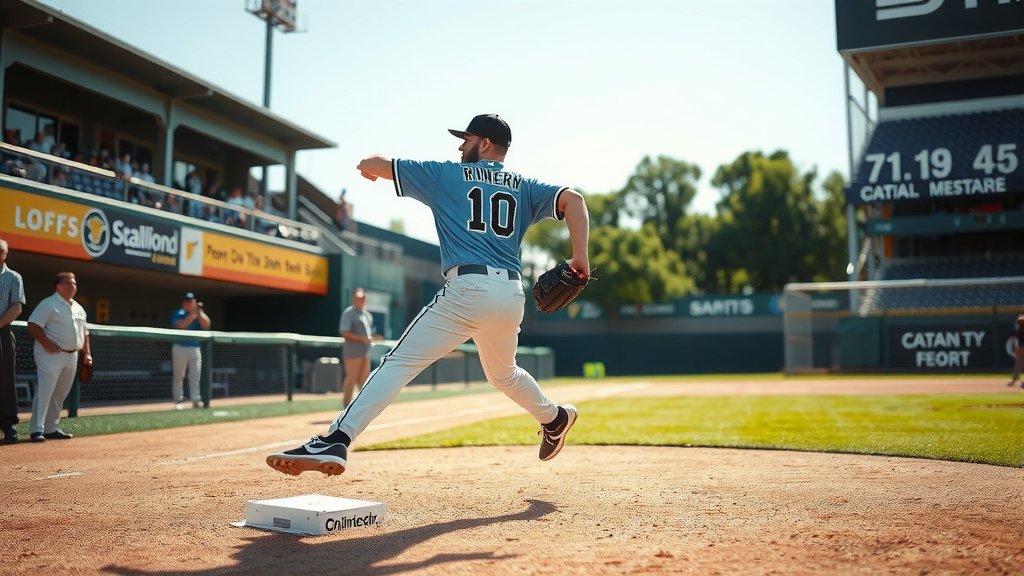
A pitcher’s strategy often shifts with runners in scoring position. They might be more inclined to throw off-speed pitches. They might try to induce a ground ball. The goal is to avoid a big hit that scores the runner.
Many pitching guidelines suggest focusing on location and pitch selection when runners are in scoring position. A well-placed fastball can be effective, but a changeup or curveball might be better at keeping the runner from driving the ball hard (Baseball America).
When Is a Runner NOT in Scoring Position?
To fully grasp scoring position, it’s helpful to know when a runner *isn’t* in it. A runner on first base is not considered to be in scoring position. They are too far away from home plate to score on most common hits.
A runner on first might need two or three hits to score. This is why teams try to get the runner to advance. A stolen base to second, for example, immediately puts them into scoring position.
The First Base Runner’s Dilemma
The runner on first has a different job. Their priority is often just to get on base and avoid getting picked off. They might also focus on stealing second base. This action is key to getting into scoring position.
This is a fundamental part of baseball strategy. Understanding the value of advancing runners is what separates casual fans from true baseball enthusiasts.
Key Takeaways for Understanding RISP
To recap, let’s break down the most important points about runners in scoring position:
- Runner on Second or Third: This is the definition of a runner in scoring position (RISP).
- Increased Scoring Chance: Runners on these bases are much more likely to score on a base hit.
- Offensive Focus: Batters and coaches prioritize driving in these runners.
- Defensive Adjustments: Pitchers and fielders change their strategy to prevent runs.
- Base Running Importance: Advancing runners to second or third is a key offensive goal.
- “RISP” Abbreviation: This common term refers to this specific game situation.
A Quick Comparison of Runner Positions
Let’s look at how different runner positions impact the game. This table helps illustrate the scoring advantage.
| Runner Location | Proximity to Scoring | Offensive Priority |
|---|---|---|
| First Base | Far from home plate | Advance to second base |
| Second Base | Close to home plate | Score on a base hit |
| Third Base | Very close to home plate | Score on almost any ball in play |
| Bases Empty | N/A | Get runners on base |
Checklist: Are You Getting It?
Here’s a quick checklist to make sure you’ve got the concept down:
- Do you know which bases put a runner in scoring position?
- Can you explain why second and third are so important?
- Do you understand the term “RISP”?
- Can you see how this affects a batter’s approach?
- Do you know how a defense might change its strategy?
Conclusion
You’ve now got a solid grasp on what it means to have a runner in scoring position. It’s all about that sweet spot on second or third base, where a runner is primed to cross home plate. This situation is baseball’s dynamic tension point, influencing every pitch and swing. Understanding runners in scoring position (RISP) helps you appreciate the strategic chess match happening on the field.
Next time you’re watching a game, pay close attention to how teams try to create these opportunities and how they capitalize when they get them. You’ll see the game in a whole new light.
Frequently Asked Questions
Does a runner on first base count as being in scoring position?
No, a runner on first base is not considered to be in scoring position. They are too far from home plate to score on most base hits. Getting that runner to advance to second base is usually the primary goal.
What does it mean when a team is “0-for-RISP”?
“0-for-RISP” means the team had multiple opportunities with runners in scoring position but failed to drive any of them in to score a run. It indicates missed scoring chances, which can be frustrating for any team.
Why is it important for a runner to get to third base?
A runner on third base is only 90 feet from home plate, making them extremely likely to score. They can often score on a sacrifice fly, a wild pitch, a passed ball, or even a ground out to the infield. It’s the ultimate scoring position.
How does having a runner in scoring position change a pitcher’s strategy?
When there’s a runner in scoring position, pitchers often adjust their approach. They might throw more off-speed pitches to induce weak contact or focus on precise location to avoid giving up a big hit that scores the run.
Can a runner on second base score on a single?
Yes, absolutely. A runner on second base is generally expected to score on a solid single hit into the outfield. That’s precisely why second base is considered a scoring position – it dramatically increases the chance of scoring on a base hit.