How to Hold Runners on Base: A Pitcher’s Complete Guide
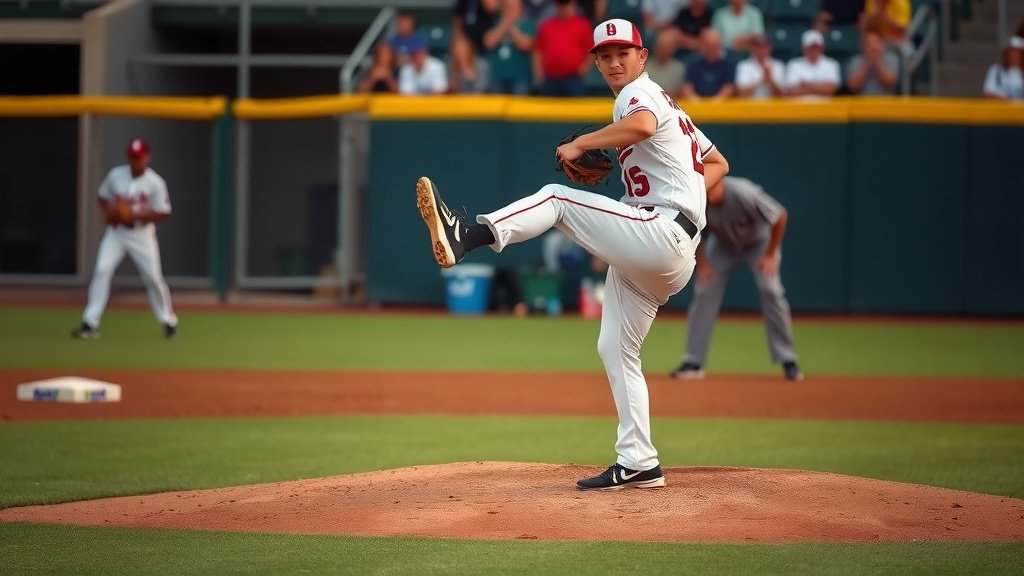
The fastest way to hold runners as a pitcher is to vary your timing, mix in quick steps toward first base, and keep your eyes on the baserunner between pitches. A quick move to first, a pause before your delivery, and a well-timed throw over all make runners think twice before taking that extra step. Timing changes alone can cut down stolen base attempts.
Why does this matter so much? Because every runner on base is one mistake away from scoring, and stolen bases can flip a close game fast. Many experts say that keeping baserunners honest is just as important as throwing strikes. We researched coaching guides and pro pitching tips to find the most effective techniques, from pickoff moves to holding the ball longer. Some of it is skill. Some of it is pure theater, and honestly, we love that.
- Change your delivery timing so runners can’t predict when you’ll throw
- Use quick looks and throws to first base to keep runners close
- Work with your catcher on pickoff plays and good footwork on the mound
- Stay calm and composed, because rushed throws often lead to errors
- Control the running game early, before runners get comfortable
Below, we break down everything you need to know about holding runners, step by step, so you can keep those pesky baserunners glued to the bag.
Keeping Baserners Close: The Core Techniques
Good runner control comes down to three things: varying your looks, changing your timing, and having a pickoff move your opponent respects. You don’t need a max-effort move. You need one the runner can’t read. Many experts say even a modest move, used smartly, cuts stolen base attempts (MLB.com coaching guides).
Think of it like a poker game. If you flip your cards face up every hand, you lose. The same goes for holding runners. Unpredictability is your best friend out there.
Master Your Timing on the Mound
Runners time you before they take off. They count your rhythm between pitches. So break that rhythm. Hold the ball for two seconds one pitch, then eight seconds the next. We found that this simple trick alone makes runners hesitate, and hesitation kills stolen base attempts.
Ways to Change Your Delivery Timing
- Pause at the top of your stretch for a random count
- Look at the runner twice before throwing home
- Step off the rubber occasionally to reset
- Throw to first right after getting the sign
- Use a slide-step with runners on base
The slide-step is worth a closer look. It’s a faster delivery you use when a runner is going. It shaves time off your release, which gives your catcher a better chance to throw the runner out. Catchers love pitchers who use it.
The Look-Back: Your Secret Weapon
Where your eyes go, runners watch. A quick, sharp glance at first base tells the runner you’re paying attention. Coaches call this “having presence,” and honestly, it’s half acting, half skill. Keep your head still and your look quick and deliberate. A lazy stare gives away nothing and tells the runner everything.
Building a Trustworthy Pickoff Move
You don’t need to pick off ten runners a season. You need one move that works maybe once or twice, because the threat matters more than the throw. A believable move keeps runners within two or three steps of the bag. That’s usually the difference between a stolen base and an easy out.
Mechanics That Make Your Move Believable
Your move should look exactly like your pitch until the last moment. Same leg lift, same shoulder turn. If your body language changes early, good runners will read you like a menu. We researched pitching instruction from several college programs, and they all stress the same thing: consistent mechanics first, speed second.
Common Pickoff Mistakes to Avoid
- Telegraphing with a longer look before the throw
- Rushing the throw and sailing it into the outfield
- Using the same count or situation every time
- Ignoring the runner at second base entirely
That last one stings. Runners at second are often the most aggressive, yet many young pitchers forget they exist. Don’t be that pitcher.
Working With Your Catcher and Fielders
Holding runners is a team project. Talk with your catcher before the game about signs for pickoff plays. Maybe a certain tap means “throw over,” or a glance means “fake a throw and I’ll fire to second.” Teams that communicate pick up easy outs all season long.
Your first baseman helps too. A tall first baseman with good feet can shield the runner’s view of your motion. Ask your infielders to give you signs when a runner is getting too big a lead. It’s a group effort, and it works.
Simple Pickoff Plays You Can Run
| Play | How It Works | Best Situation |
|---|---|---|
| First-and-third special | Fake to third, throw to first | Runners on the corners |
| Daylight play | Infielder signals if runner is leaning | Runner at second, big lead |
| Delayed pickoff | Step off, then surprise throw | Runner who walks off the bag |
| Pitchout | Intentional high throw, catcher fires down | Run-and-hit situations |
Practice these in bullpen sessions, not just during games. Muscle memory under pressure comes from repetition without stress first.
Controlling the Running Game Early
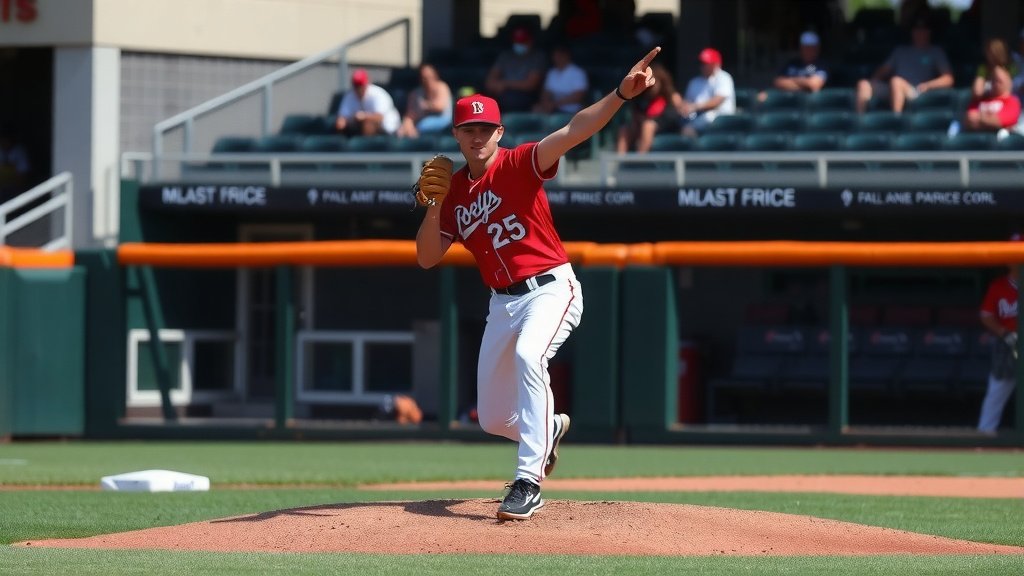
Set the tone in the first inning. If you throw over three times in the first two frames, word gets around the other dugout fast. Runners get conservative, and your shortstop thanks you. Many experts say early control of the running game pays off for the whole game.
It’s like training a puppy, gently. Establish the rules early and everyone behaves better later. No? Just us? Fine, but the principle holds.
Your Pre-Pitch Runner Checklist
- Glance at the runner’s lead before every pitch
- Know the count, since runners run more often on certain counts
- Check where your infielders are playing
- Confirm your catcher’s throw-down sign
- Breathe and stay relaxed on the rubber
Staying Composed When Runners Get Aggressive
Here’s the truth: sometimes runners will steal anyway. When it happens, don’t rush your next pitch or let frustration creep into your mechanics. Sports psychology resources, including guidance summarized by the American Psychological Association on performance under stress, point to breathing routines as a simple reset tool. One deep breath between batters can settle everything.
A rushed delivery hurts twice. It throws off your accuracy and makes the runner even more confident. Slow down. Trust your stuff. The runner who steals second still has to score, and you control that.
Practicing These Skills Like a Pro
Repetition builds confidence. We found that pitchers who drill pickoffs and timed looks in practice use them naturally in games. Add ten minutes of runner-holding work to your bullpen sessions each week and watch how quickly it becomes second nature.
Drills Worth Your Time
- Shadow pickoffs: practice your move without a ball, ten reps each side
- Count-timing drills: have a teammate call random holds while you pitch
- First-and-third situation work with live runners
- Video review of your motion to spot telegraphing habits
One more tip from the research we reviewed: record yourself. What feels quick to you often looks slow on video. That little camera angle might be the best coach you ever hire.
Conclusion
Holding runners isn’t about one magic move. It’s the small habits stacked together: varied timing, quick looks, a believable pickoff, and open communication with your catcher. We found that the pitchers who control the running game best aren’t always the most athletic. They’re the most prepared and unpredictable. Start small. Add one look variation and one pickoff drill to your next bullpen session, then build from there. Within a few weeks, runners will stop testing you, and that peace of mind is worth every rep. Your next step? Grab a teammate, run those shadow pickoffs, and record yourself. Ten minutes a week changes everything.
Frequently Asked Questions
Can a pitcher fake a throw to first base?
From the stretch, you can fake toward a base you’re throwing to third or home, but you cannot fake a throw to first and step off differently. A fake to first and a throw elsewhere is a balk in most rule sets. When in doubt, step off the rubber first, then you can do almost anything legally.
How many times can a pitcher throw to first base?
There’s no set limit on pickoff attempts in most leagues, including MLB, though repeated throws eat up your pitch count and energy. In MLB, the pitch clock rules add a wrinkle: two disengagements per batter, so a second throw-over means your next move must be a pitch. Use your throws wisely.
What counts as a balk when holding runners?
A balk happens when you start a motion toward a base or home and don’t finish it, or when you break rules like failing to come to a complete stop from the stretch. Jerky head movements, dropping the ball, or throwing to an unoccupied base also count. Practicing smooth, consistent mechanics prevents most balk calls.
Do left-handed pitchers have an easier time holding runners?
Yes, and it’s not close. A lefty faces first base directly, so he can watch the runner throughout his delivery and use the famous balk move with his leg kick toward first. Right-handers have to work harder with looks and timing changes. If you’re a righty, your unpredictability has to carry more of the load.
How close should a baserunner be before I throw over?
Watch the runner’s lead relative to his speed and your catcher’s arm. A lead of more than one large stride past the bag is usually worth a throw, especially if your catcher has a strong arm. Your infielders can help here too. Ask them to signal when a runner is getting too far off, then act on it.