How to Throw a Baseball Sidearm: Step-by-Step Technique Guide
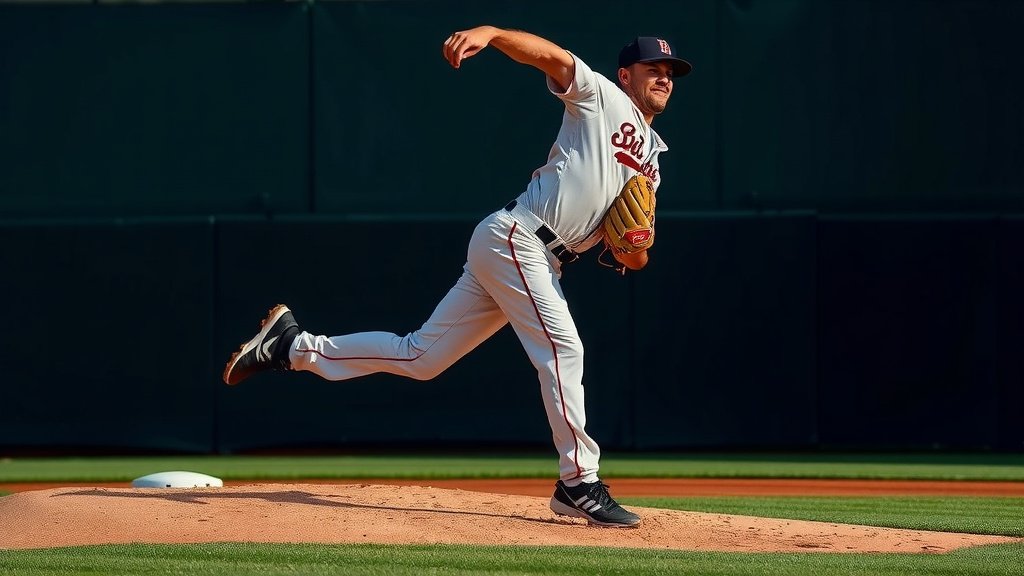
To throw a baseball sidearm, start by dropping your arm angle so it releases the ball from the side of your body instead of over the top. Keep your shoulders level, snap your wrist toward your target, and follow through across your body. It’s a short, quick motion, not a big sweeping one.
So why would you want to throw sidearm in the first place? Many pitchers and infielders use it because it creates a tricky, sinking movement on the ball and lets you release faster on close plays. We researched what coaches and pro players recommend, and the good news is you can learn it with a few simple grip and mechanics tweaks.
- Start from your normal pitching stance, then lower your arm angle to your side.
- Use a grip similar to a two-seam fastball for extra movement.
- Keep your front shoulder closed until your arm comes through.
- Finish with a smooth follow-through across your body.
- Practice slowly first to protect your arm before ramping up speed.
Below, we break down everything you need to know about throwing sidearm, step by step, so you can add it to your game without guessing.
Throwing Sidearm the Right Way: Step-by-Step
Throwing a sidearm pitch or throw comes down to four things: your grip, your arm slot, your timing, and your follow-through. Get those in order and the motion starts to feel natural. We found that most coaches teach it in small pieces first, then blend them together at game speed.
Think of it like learning a golf swing. You would not grab a driver and swing full speed on day one. Same idea here. Start slow, feel the motion, then build up.
Step 1: Set Your Grip
Grip the ball like a two-seam fastball. Your index and middle fingers rest along the two narrow seams, with your thumb underneath. This grip helps the ball move and sink, which is the whole point of throwing sidearm.
Hold the ball a little looser than you would for a fastball. A tight grip kills the spin and the late movement. If your fingertips turn white, relax a little.
Step 2: Find Your Arm Slot
Now drop your throwing arm so it sits roughly parallel to the ground at release. Not straight down at your hip, and not up near your shoulder. Right in the middle.
A quick mental picture we found helpful: imagine sliding your arm through a mail slot at waist height. Your arm travels sideways through that slot while your body keeps moving toward the target.
Common Arm Slot Mistakes
Watch out for these, because they show up fast when players first try sidearm:
- Dropping the arm too low, which turns the throw into a subget or shovel pass.
- Letting the elbow swing wide away from the body, which strains the shoulder.
- Opening the front shoulder early, which steals power and accuracy.
Step 3: Time Your Body and Arm Together
Your legs and trunk still do most of the work. Push off your back foot, rotate your hips, and let the arm come along for the ride. The arm is the last part of the chain, not the first.
Keep your front shoulder closed as your arm comes through. Opening up early is the most common timing flaw we saw coaches correct, and it leads to throws sailing high and wide.
Step 4: Finish the Follow-Through
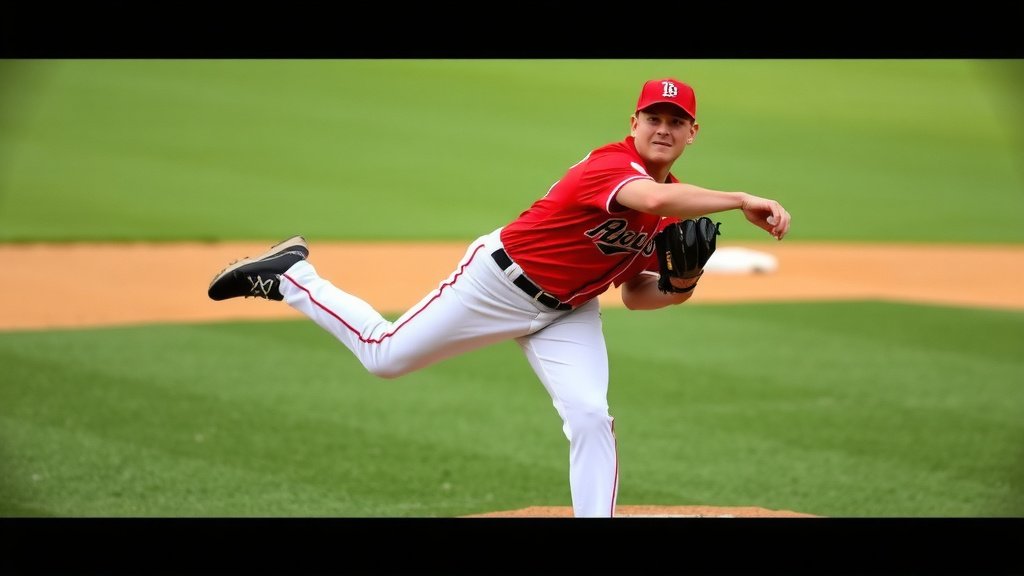
After release, let your arm keep moving across your body. Your hand should finish near your opposite hip or thigh. A short, choppy finish robs the ball of movement and control.
Picture wiping the table with a towel. Smooth, sweeping, all the way through. That is the follow-through feel you want.
Sidearm vs. Over-the-Top Throwing
Which arm angle should you use? It depends on the situation. Here is a quick side-by-side so you can see the trade-offs at a glance:
| Feature | Sidearm | Over-the-Top |
|---|---|---|
| Release point | Low, near the hip | High, above the shoulder |
| Movement | Sinking, sliding action | More straight-line spin |
| Release speed | Faster on quick plays | Slightly slower delivery |
| Best use | Relief pitching, turning double plays | Everyday throwing, starting pitchers |
| Arm stress | Higher if done wrong | Easier on most players |
Many experts say sidearm works best as a tool, not your only throw. Keep your normal mechanics as your base and add sidearm as an option.
Why Players Throw Sidearm at All
Fair question. If over-the-top is the default, why bother? Two big reasons came up again and again in our research.
The Movement Problem for Hitters
A sidearm release makes the ball run and sink in ways hitters rarely see. The ball looks like it will stay on one plane, then it dips late. That late movement is why many relief pitchers live at low arm slots.
Studies on pitch movement published through NCBI have looked at how spin axis changes with arm angle, and the takeaway is simple: lower slots create different spin and break. Hitters have less time to adjust.
The Quick-Release Advantage
Infielders love sidearm on close plays. The shorter arm path means the ball leaves your hand faster. If you have ever watched a second baseman turn a double play from his knees, that is the payoff.
Protecting Your Arm While You Learn
Let’s be honest for a second. The sidearm motion gets blamed for a lot of sore arms, and some of that reputation is earned. The motion itself is not dangerous when done well. Done sloppy, it is a recipe for soreness.
Mayo Clinic guidance on youth throwing injuries stresses rest and avoiding year-round throwing. Many experts also recommend building arm strength before adding new arm slots. Take that advice seriously, especially for younger players.
Warm-Up Routine Before Sidearm Practice
Never throw sidearm cold. Your shoulder and elbow need blood flow first. Here is a simple warm-up we found works well:
- Five minutes of light cardio, like jumping jacks or a brisk walk.
- Arm circles, forward and backward, ten reps each way.
- Band pull-aparts or light resistance band rows.
- Twenty easy over-the-top throws at short distance.
- Then, and only then, start your sidearm throws.
Sidearm Throwing Checklist for Practice
Print this part or screenshot it. Run through it before every practice session:
- Grip it like a two-seam, fingers along the seams.
- Arm slot at waist height, elbow tucked near your ribs.
- Front shoulder stays closed until release.
- Wrist snaps toward the target, not across it.
- Follow through all the way across your body.
- Stop at the first sign of sharp pain, not soreness.
Drills to Build the Motion
You do not need fancy equipment. A ball, a wall, and a partner will do.
Wall Catch Drill
Stand about ten feet from a wall. Throw sidearm at the wall and catch the rebound. This forces a clean wrist snap because you have no room for a lazy release. Start at half speed.
Knee-Down Toss Drill
Kneel on your throwing-side knee with your front leg up. Toss sidearm to a partner twenty times. Removing your legs lets you focus only on the arm path and release. Once that feels smooth, stand up and add the full motion.
Shadow Throws
No ball, just the motion in front of a mirror. It sounds silly, we know. But watching your own arm slot in real time catches flaws that feel invisible at speed.
How Long Does It Take to Learn?
Most players need a few weeks of consistent practice before a sidearm throw feels reliable in games. Control comes last, usually after the motion itself clicks. Be patient with yourself. Every pitcher who has added this throw remembers the awkward stage, and it passes faster than you think.
Conclusion
Throwing sidearm comes down to a few simple pieces: a two-seam grip, an arm slot near waist height, a closed front shoulder, and a smooth follow-through across your body. We found that players who master the slow version first pick up the full-speed motion far faster. Keep your over-the-top throw as your base, treat sidearm as a situational tool, and protect your arm with a proper warm-up every time. The awkward stage is temporary. Stick with the drills, listen to your arm, and within a few weeks you will have a new weapon hitters and baserunners have to respect. Grab a ball and start with those knee-down tosses today.
Frequently Asked Questions
Is throwing sidearm bad for your arm?
Not if you do it correctly and stay warmed up. Most arm problems come from poor mechanics, like letting the elbow drift wide or throwing sidearm cold. If you feel sharp pain, stop and rest.
At what age should kids learn to throw sidearm?
We would wait until a player has solid over-the-top mechanics first, usually around 12 or 13. Younger arms are still developing, and coaches we researched suggest building strength before adding new arm slots.
Can pitchers throw sidearm fastballs?
Yes, plenty of relief pitchers do it at the pro level. A sidearm fastball loses some velocity compared to over-the-top, but the added run and sink often makes it harder to hit, not easier.
Why do my sidearm throws keep sailing high?
High throws usually mean your front shoulder is flying open early or your wrist is rolling over at release. Slow down, check your arm slot in a mirror, and make sure your chest stays toward the target.
Do catchers or outfielders ever throw sidearm?
Catchers sometimes use it on short tosses back to the pitcher, but they stay over-the-top for steals because accuracy matters most. Outfielders should almost always throw over-the-top, since long distances demand maximum power and carry. If you spend time playing catcher, our full guide covers throwing mechanics and positioning behind the plate.