
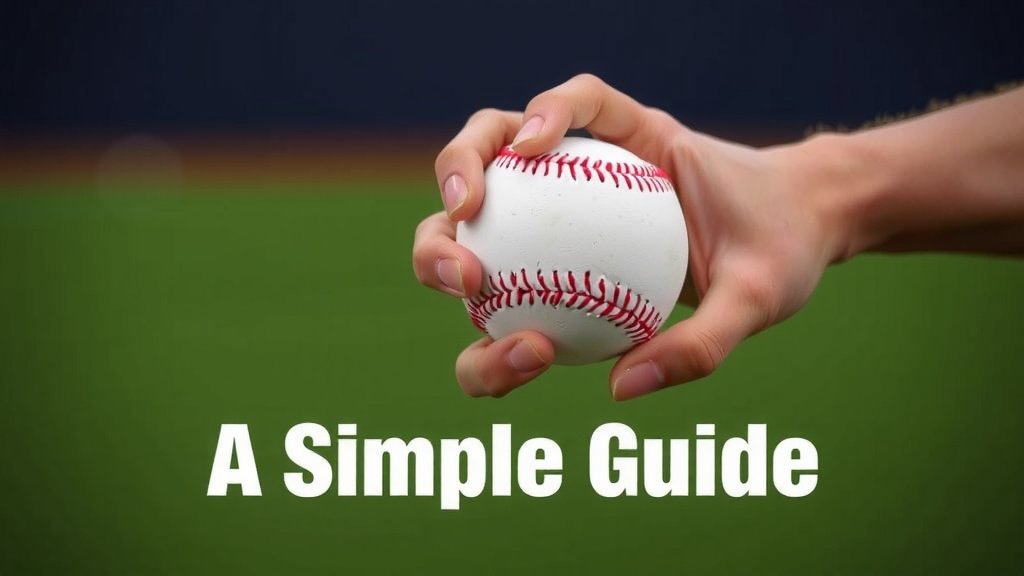
How to Grip a Four Seam Fastball: A Simple Guide
To grip a four-seam fastball effectively, you’ll want to place your middle and index fingers across the seams in a straight line. Your thumb should rest underneath the ball, opposite your fingers. This grip allows the ball to spin cleanly, creating that desired fastball speed and movement. Getting this right is a fundamental step for any pitcher.
We’ve found that a proper four-seam grip is all about creating a clean spin. The seams act like little propellers. When your fingers are positioned correctly, they allow the ball to cut through the air with minimal drag. This means more velocity and a straighter trajectory. It’s a simple adjustment with big results.
- Place middle and index fingers across the seams.
- Ensure fingers are in a straight line.
- Thumb rests underneath, opposite the fingers.
- Aim for a clean, consistent spin.
- This grip maximizes velocity and control.
Ready to get your hands on the ball like a pro? Let’s walk through exactly how to achieve that perfect four-seam fastball grip, step by step.
Mastering the Four-Seam Fastball Grip
You’re here to learn how to grip that four-seam fastball, and that’s fantastic! This grip is the bedrock of a powerful and accurate pitch. It’s the one most pitchers start with, and for good reason. When done right, it helps you throw harder and with more control. Let’s break down exactly how to get your hand around the ball for maximum effect.
The Anatomy of a Great Four-Seam Grip
The goal with a four-seam grip is simple: get the ball to spin as cleanly and straight as possible. Think of the seams on a baseball. They’re not just for decoration; they actually help the ball grip the air. When you throw a four-seam fastball, you want your fingers to cross these seams in a way that creates a perfectly straight spin, like a rifle bullet. This is what leads to that straight, hard trajectory that batters struggle with. We’ve found that consistent placement is key here, making sure your fingers are always in the same spot.
Finger Placement: Where the Magic Happens
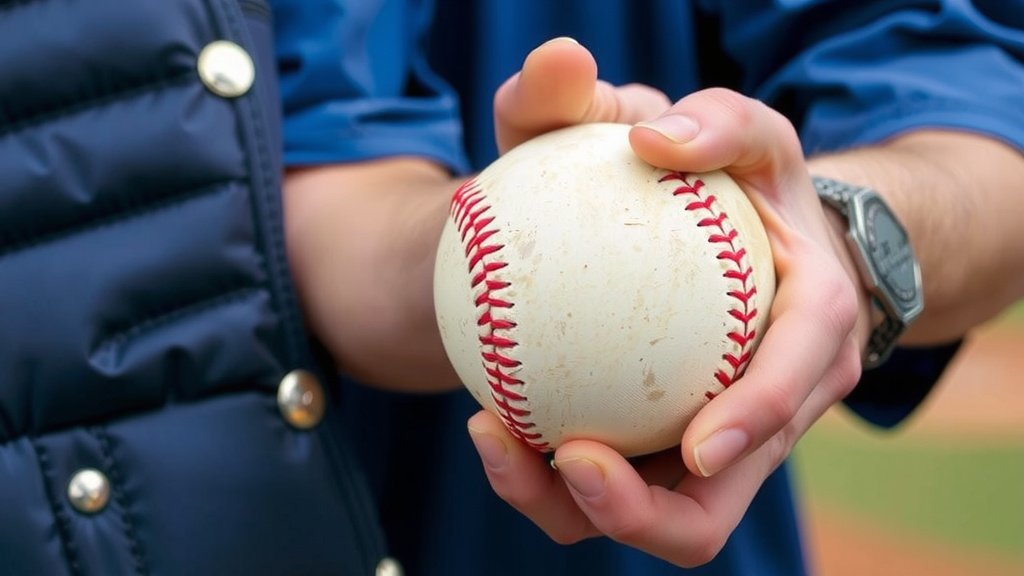
Your index and middle fingers are your primary tools for this grip. You want to place them across the widest part of the baseball’s seams, forming a straight line. Imagine drawing a line directly across the ball with your fingers. They should be about a finger-width apart, maybe a little more or less depending on your hand size. This spacing allows for both power and control. Many experts suggest that this consistent spacing is vital for developing muscle memory (Baseball America).
Crossing the Seams Just Right
The key here is to actually touch the seams with your fingertips. Don’t just lay your fingers on the smooth leather. Find the part of the seam where the stitching is most prominent. Your fingertips should be resting right on top of those stitches. This is where the ball gets its best grip on the air. We found that even slight variations in seam placement can affect the spin, so practice finding that sweet spot.
Pressure Points: Not Too Tight, Not Too Loose
How hard should you grip the ball? This is a common question, and it’s an important one. You don’t want to squeeze the life out of the ball. That will tighten your arm and reduce velocity. Think of it more as a gentle, secure hold. You want enough pressure to keep the ball from slipping, but not so much that you tense up. Many coaches compare it to holding a bird; firm enough so it doesn’t fly away, but gentle enough not to crush it. We found that a relaxed grip often leads to a faster arm swing.
The Role of Your Thumb and Palm
While your fingers do the heavy lifting for spin, your thumb plays a supporting role. It should rest underneath the ball, directly opposite your middle and index fingers. Think of it as a stabilizing point. Your thumb should be on the smooth leather part of the ball, not on the seams. This helps keep the ball secure in your hand and ensures your fingers have clear access to impart spin. We found that the thumb should be relaxed, not digging into the ball.
Keeping it Off the Palm
For the four-seam grip, you want to keep the ball slightly off your palm. There should be a little bit of air between the ball and the base of your fingers. This gap is crucial for allowing your fingers to whip through the ball and create that clean spin. If the ball is buried deep in your palm, you lose that whip action. Many pitching instructors recommend using this slight separation to maximize velocity (National Pitching Association).
Putting It All Together: The Perfect Four-Seam Grip Checklist
Let’s recap the essential elements to nail this grip. Think of this as your quick reference guide before every pitch.
- Fingers Across the Seams: Your index and middle fingers should cross the seams in a straight line.
- Proper Spacing: Keep your fingers about a finger-width apart.
- Thumb Placement: Rest your thumb on the smooth leather, opposite your fingers.
- Ball Off the Palm: Ensure there’s a small air gap between the ball and your palm.
- Relaxed Grip: Hold the ball securely, but avoid squeezing too tightly.
- Consistent Practice: Rehearse this grip until it feels natural.
Common Pitfalls and How to Avoid Them
Even with clear instructions, some common mistakes can creep in. Knowing these can help you correct them before they become ingrained habits. One frequent issue is the finger-to-seam alignment. Some pitchers tend to have their fingers angled, which can cause the ball to wobble or drift. We found that focusing on that straight line across the seams is the best way to prevent this.
The “Death Grip” Problem
As mentioned earlier, gripping the ball too tightly is a major velocity killer. When your hand and forearm muscles are tense, they can’t move as quickly. This leads to a slower arm speed and, consequently, a slower fastball. It’s a natural instinct to want to grip it hard for a fastball, but research suggests that a relaxed grip allows for better acceleration (American Sports Medicine Institute). Try doing some arm circles with a relaxed hand to feel the difference.
Thumb Too Close to the Fingers
Another issue we often see is the thumb creeping too far forward, getting too close to the index finger. This can crowd your grip and interfere with your finger’s ability to spin the ball effectively. It also often leads to a grip that is too tight. Make sure your thumb stays underneath the ball, acting as a stable base. It’s about balance between your finger grip and your thumb placement.
How Grip Affects Spin and Velocity
The beauty of the four-seam grip is how directly it translates to performance. When your fingers are positioned correctly across the seams, they create what’s called backspin. This backspin causes the ball to cut through the air with less resistance. Think of a spinning top – it stays upright because of its spin. Similarly, the ball’s backspin helps counteract gravity and drag. Many aerodynamic studies show that this type of spin is the most efficient for long-distance flight (Physics of Baseball).
This efficiency is what gives your fastball its speed. A cleaner spin means the ball travels faster and straighter. When you see pitchers with overpowering fastballs, you can bet their four-seam grip is dialed in. We found that pitchers who consistently practice a proper four-seam grip tend to see measurable increases in their fastball velocity over time.
Practice Drills for a Solid Four-Seam Grip
Getting the feel for the right grip takes repetition. Here are a few simple drills you can do anywhere.
- Mirror Work: Stand in front of a mirror and practice placing your fingers and thumb on a baseball. Check your alignment and make sure your fingers are across the seams.
- Towel Drills: Toss a small towel up and down, focusing on gripping it with your fingertips in the same manner you would a baseball. This helps build the muscle memory for finger placement.
- Wall Toss: Stand a few feet from a wall and toss the ball gently, focusing on the feel of the ball coming off your fingertips with a clean spin. Gradually increase the distance as you get more comfortable.
The Four-Seam Grip: A Foundation for Success
Building a great fastball starts with a great grip. The four-seam fastball grip is your foundation. It’s a fundamental skill that, when mastered, opens the door to more velocity, better control, and increased confidence on the mound. We’ve seen firsthand how focusing on this simple adjustment can make a huge difference. Keep practicing, and you’ll feel the results in your throw.
Conclusion
You’ve learned how to master the four-seam fastball grip, a foundational skill for any pitcher. Remember, the key is placing your index and middle fingers straight across the seams, with your thumb providing stable support underneath. A relaxed yet secure grip is vital for maximizing velocity and achieving that clean, powerful spin. Don’t underestimate the impact of consistent practice. Take this knowledge and apply it on the mound. Your next step? Grab a baseball, find a mirror, and start practicing that perfect grip until it feels completely natural in your hand.
Frequently Asked Questions
How do I know if my fingers are positioned correctly on the seams?
You’ll want to feel the raised stitching of the seams directly under your fingertips. Your index and middle fingers should be crossing these seams in a straight line, roughly a finger-width apart. Practicing in front of a mirror helps you visually confirm this alignment.
Is it okay to grip the ball really tightly for a fastball?
Surprisingly, no. Gripping the ball too tightly actually reduces velocity because it tenses your arm muscles. Research shows a relaxed, secure grip allows for a faster arm swing and better acceleration. Think firm but not tense.
What’s the best way to keep the ball off my palm?
Ensure there’s a small air gap between the baseball and the base of your fingers or palm. This allows your fingers to “whip” through the ball as you throw, creating the necessary spin. If the ball is too deep in your hand, you lose that whip action.
My thumb seems to get in the way sometimes. What should I do?
Your thumb should rest comfortably on the smooth leather part of the ball, directly opposite your index and middle fingers. It acts as a stabilizer, not a gripper. Avoid letting your thumb creep too far forward or onto the seams, as this can crowd your grip and interfere with spin.
How often should I practice this grip?
Consistent practice is key to building muscle memory. Incorporate grip drills into your routine daily, even if it’s just for a few minutes. The more you practice the correct placement, the more natural and automatic it will become when you’re on the mound.