
Baseball Bases Explained: How Many Are There
A standard baseball game features four bases that a runner must touch. These are first base, second base, third base, and home plate. Each base is a vital part of the game’s scoring system. You need to make it around all four to score a run.
These bases form a diamond shape on the field. They are positioned 90 feet apart from each other. Successfully reaching each base safely is a key goal for batters and runners. Many baseball strategies revolve around advancing runners between these bases.
- A baseball field has four bases.
- These are first base, second base, third base, and home plate.
- Runners must touch each base in order.
- The bases form a diamond shape.
- Each base is 90 feet apart.
Let’s walk through exactly how these bases work and why they matter so much in a baseball game.
Understanding the Diamond: The Four Bases of Baseball
So, you’re wondering about baseball bases? It’s pretty simple, really. A standard baseball game always features four bases. These aren’t just markers; they are the heart of the game. Each base is a critical stop for any player trying to score.
Meet the Bases: A Player’s Path
Let’s get to know each base. You’ve got first base, second base, and third base. The final base is home plate. This is where the magic happens, where a run is scored. Players must touch each one in this specific order. They can’t skip around like they’re in a candy store!
First Base: The First Hurdle
First base is often called the “safety bag.” It’s the first obstacle a batter faces after hitting the ball. The goal here is to reach it safely before the defense can get you out. Many batters learn to sprint as fast as they can to make it.
Second Base: The Midfield Mark
Reaching second base means you’re doing well. It’s a solid position to be in. From second, you can often advance on a hit to the outfield. It’s halfway to scoring, a good sign of progress for your team.
Third Base: The Hot Corner
Third base has a reputation. It’s known as the “hot corner.” This is because plays near third base can get pretty intense. Players here are close to home plate. The chance to score is very real. This makes it a tense spot for both offense and defense.
Home Plate: The Finish Line
Home plate is the ultimate goal. Touching home plate after legally advancing around the other bases scores a run for your team. It’s a five-sided slab of rubber. It looks a bit like a house, fittingly. Scoring a run is the main objective of the offense.
The Diamond Layout: Geometry in the Game
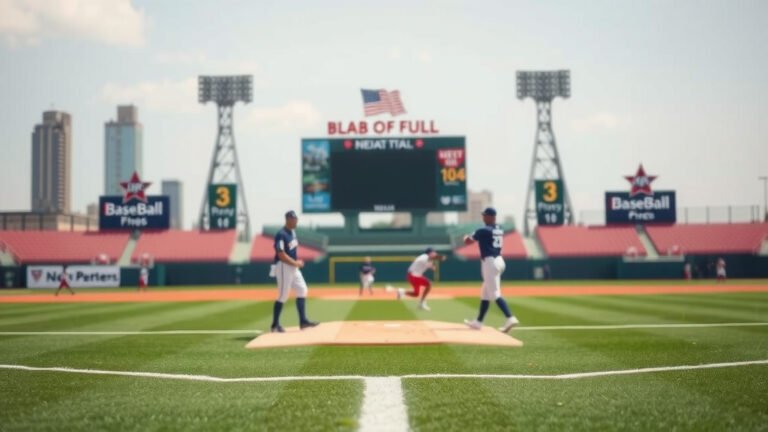
These four bases aren’t just scattered randomly. They form a distinctive shape on the field. This shape is known as the baseball diamond. It’s a fundamental part of the game’s design.
The 90-Foot Rule: Standard Spacing
A key measurement in baseball is the distance between bases. In professional and most amateur leagues, each base is 90 feet apart. This 90-foot distance creates a specific rhythm and pace for the game. It influences how fast runners can go and how far fielders need to throw.
Why 90 Feet? A Historical Glimpse
The 90-foot standard has a long history. It was established in the late 19th century. Researchers believe this distance was chosen for a balance of factors. It allows for strategic plays. It also ensures the game isn’t too fast or too slow. Many baseball historians point to this era for solidifying many of the rules we know today (National Baseball Hall of Fame).
The Geometry of Play: Diamond Dynamics
Imagine the diamond from an aerial view. Home plate is at one corner. First base is to its right. Second base is straight ahead. Third base is to the left of home plate. The pitcher’s mound sits right in the middle of the diamond. This layout is not accidental. It dictates the flow of action. It guides where players stand and how they move.
| Base to Base | Distance |
|---|---|
| Home Plate to First Base | 90 feet |
| First Base to Second Base | 90 feet |
| Second Base to Third Base | 90 feet |
| Third Base to Home Plate | 90 feet |
| Home Plate to Pitcher’s Mound (approx.) | 60 feet 6 inches |
Beyond the Four Bases: Special Situations
While there are always four main bases, sometimes you hear about other “bases.” This can be confusing. Let’s clear that up. There’s a special case called the “extra base.”
The Extra Base: A Runner’s Bonus
An “extra base” isn’t a physical base on the field. It’s a term used when a batter hits the ball and can advance beyond first base. This often happens with extra-base hits like doubles or triples. The “extra base” is simply the base the runner reaches safely after the initial one. For example, a double means you reached second base, an extra base beyond first.
The Safety Bag: A Protective Measure
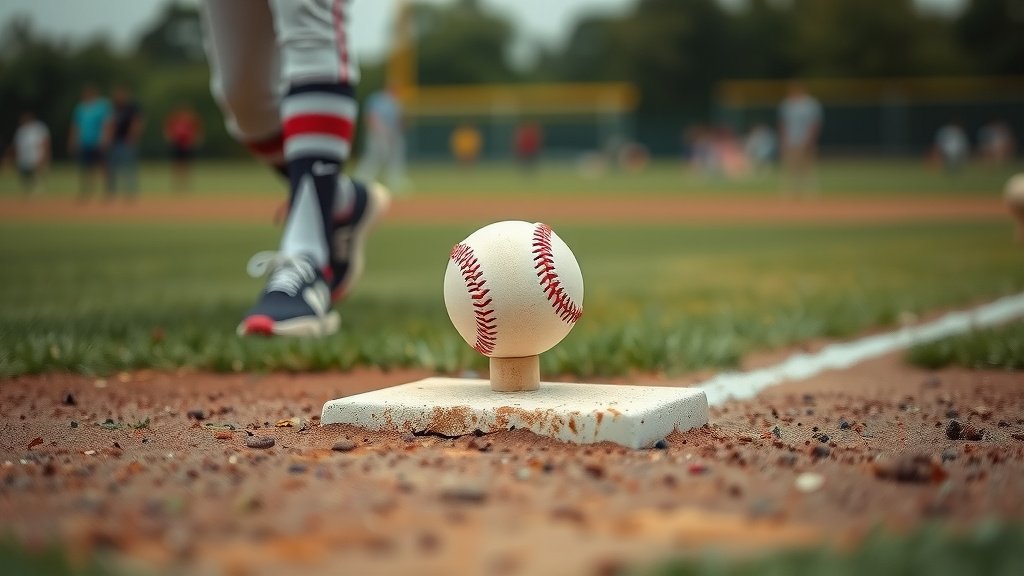
You might also hear about a “safety bag.” This is a special base used only in certain situations. It’s located a few feet away from the first base line. It’s designed to prevent collisions. When a runner is trying to reach first base after hitting the ball, they can step on the safety bag. This is especially common during close plays or throws from the catcher. It’s a safety feature, not a scoring base.
Home Run: Rounding the Bases
A home run is the ultimate offensive play. It means the batter has hit the ball out of the park or in a way that allows them to circle all the bases safely. When you hit a home run, you’ll touch first, second, third, and then home plate. It’s a triumphant trot around the diamond. It’s a thrilling moment for any fan.
Here’s a quick rundown to keep it all straight:
- Four main bases are always in play.
- These form the baseball diamond.
- The distance between bases is usually 90 feet.
- Runners must touch bases in order: 1st, 2nd, 3rd, Home.
- Home plate is where you score.
- An “extra base” is just the base you reach after the first (like 2nd or 3rd).
- The “safety bag” is an optional extra base at first for protection.
Conclusion
So, you’ve learned that baseball has four essential bases: first, second, third, and home plate. These form the classic baseball diamond, with each side measuring 90 feet. Runners must touch these bases in order to score a run, making each base a key objective. You also discovered terms like “extra base” and the “safety bag” which add specific meanings to gameplay. Understanding these bases is fundamental to enjoying and playing baseball.
Now that you know the basics, the next time you watch a game, you’ll see how these four bases drive the action. Try to track each runner’s path around the diamond!
Frequently Asked Questions
How many bases are there in total on a baseball field?
There are always four main bases on a standard baseball field. These are first base, second base, third base, and home plate, all arranged in a diamond shape. These are the physical locations every runner must touch.
What is the distance between each base?
In most professional and amateur leagues, the distance between each of the four bases is 90 feet. This consistent spacing is a core element of the game’s strategy and pacing.
Do you have to touch the bases in a specific order?
Yes, you absolutely must touch the bases in order. The sequence is always first base, then second base, then third base, and finally home plate. Missing a base means you could be called out.
Is home plate considered a base?
Yes, home plate is considered the fourth base. It’s the final base a runner must touch to score a run. It’s a five-sided piece of rubber that marks the beginning and end of a runner’s journey.
What is an “extra base” in baseball?
An “extra base” isn’t a physical base itself. It refers to reaching a base beyond the first base safely after hitting the ball, like a double (reaching second base) or a triple (reaching third base). It’s simply a term for advancing past the initial base.